Understand Your Rights. Solve Your Legal Problems


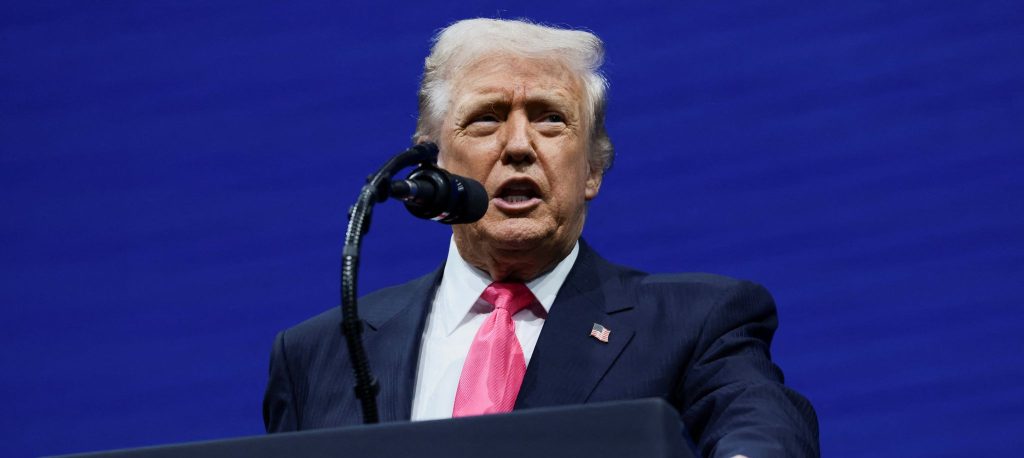
The suit challenges how a major public broadcaster edited and distributed a political documentary seen by global audiences.
President Donald Trump filed a $10 billion lawsuit on Monday, Dec. 15, 2025, accusing the BBC of defamation and unfair or deceptive business practices tied to how it edited his January 6, 2021 speech.
The case was filed in the U.S. District Court for the Southern District of Florida, in Miami, after a BBC documentary broadcast in the United Kingdom shortly before the 2024 U.S. election.
Trump alleges the program stitched together separate parts of his speech in a way that distorted its meaning and left out language urging supporters to protest peacefully.
The filing matters now because it tests how U.S. courts handle claims against foreign media organizations whose content is accessible digitally.
It also spotlights the legal thresholds public officials face in U.S. defamation suits, where courts generally require proof that a defendant acted with “actual malice,” a standard tied to Supreme Court precedent for speech about public figures.
Trump’s complaint seeks $5 billion in damages for defamation and another $5 billion under Florida’s Deceptive and Unfair Trade Practices Act, a consumer-protection statute that can be used in civil disputes involving alleged deception.
The lawsuit focuses on an hourlong documentary titled “Trump: A Second Chance?” shown as part of the BBC’s “Panorama” strand, according to reporting on the filing.
Trump argues the BBC combined excerpts from two different parts of his January 6 speech delivered nearly an hour apart, presenting them as a single continuous quote.
He says that edit removed a portion where he called for peaceful demonstration while highlighting language including “fight like hell.”
The suit also notes that while the documentary was not broadcast on U.S. television, Trump says it could be accessed by U.S. viewers through streaming and online tools.
Trump addressed the controversy publicly on the day the lawsuit was filed, telling reporters at the White House that he was suing the BBC for “putting words in my mouth.”
The BBC did not issue an immediate response after the filing became public. Earlier, however, the broadcaster acknowledged an editing mistake in the documentary and apologized, describing the decision as an “error of judgment” while maintaining that the program did not defame Trump.
BBC Chairman Samir Shah used that language in public comments, and the episode led to the resignations of the corporation’s director-general Tim Davie and head of news Deborah Turness, according to U.K. media reports.
For viewers and subscribers, the dispute highlights how documentary editing choices can influence how major political events are understood, particularly when short clips are used to frame longer speeches.
January 6 remains a defining moment in recent U.S. history, and how it is portrayed continues to draw scrutiny from courts, regulators, and media watchdogs.
The lawsuit also reflects how international broadcasters now reach audiences far beyond their home markets through streaming and digital access, creating legal and editorial consequences across borders.
The BBC operates under a Royal Charter that sets its public mission and governance structure. The current Charter is scheduled to expire on Dec. 31, 2027, and the U.K. government has opened a review process on the BBC’s future framework.
Ofcom, the U.K. communications regulator, issues the BBC’s operating licence and sets regulatory conditions for the BBC’s U.K. public services. Ofcom can assess compliance with broadcasting standards, but it does not decide defamation liability, which is handled through courts.
The BBC’s public funding model has also been part of active policy debate. The U.K. television licence fee for a colour licence has been set at £174.50 since April 2025, according to Parliament’s House of Commons Library.
The case is now expected to move through early procedural stages. The BBC would typically respond through legal counsel with formal court filings, which may include motions challenging whether the Florida federal court has jurisdiction and whether the claims meet U.S. legal standards.
If the lawsuit advances beyond those initial steps, Trump would still be required to satisfy the high bar applied to public officials in American defamation cases, including showing the required level of fault.
As of now, no hearings or trial dates have been reported.
Beyond the courtroom timetable, the lawsuit carries broader implications for how U.S. courts handle defamation and consumer-protection claims involving foreign public broadcasters in the digital and streaming era.
It also underscores ongoing public-interest concerns about editorial judgment when politically sensitive material is edited for documentary use.
Because international distribution can quickly extend the reach of disputed content, the outcome may influence how broadcasters assess legal risk when their programming is accessible across borders.
👉 Did the BBC Mislead Viewers? The Trump Speech Editing Scandal 👈