Trump pardons Texas Democrat Henry Cuellar and wife in foreign bribery case
The pardon ends a federal bribery prosecution against Rep. Henry Cuellar and his wife, directly affecting voters in a competitive South Texas district.
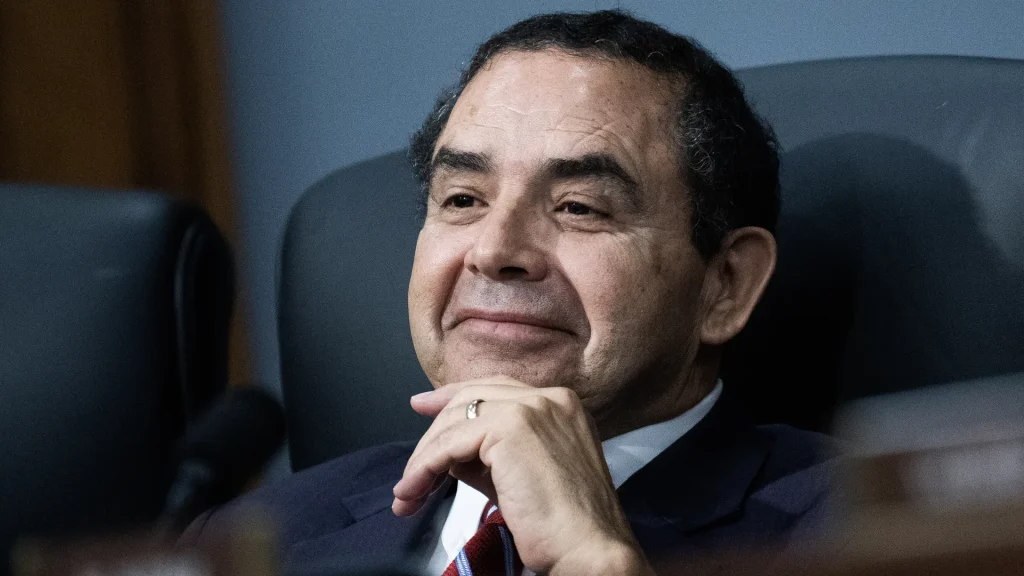
Former President Donald Trump on Wednesday issued a full pardon to Democratic Rep. Henry Cuellar of Texas and his wife, Imelda, closing a federal case that accused the couple of accepting nearly $600,000 through consulting contracts linked to foreign interests.
The Justice Department had charged them in 2024 with bribery, money laundering, conspiracy and acting as agents of foreign principals for conduct alleged to have occurred between 2014 and 2021. Both had pleaded not guilty.
The timing of the pardon carries significant weight in Texas’ 28th Congressional District, a region stretching from south San Antonio to the U.S.–Mexico border. The district has become one of the state’s most closely watched battlegrounds. Cuellar filed for reelection the same day the pardon was issued, keeping him on the ballot as the Supreme Court considers disputes over Texas’ latest congressional map. The decision also adds another major case to Trump’s expanding list of second-term clemency actions.
What we know
Federal prosecutors unsealed a 54-page indictment in May 2024 accusing the Cuellars of accepting nearly $600,000 routed through shell companies controlled by Imelda Cuellar. The payments came from companies linked to Azerbaijan’s state oil sector and a Mexican financial institution.
Court filings said the contracts involved little or no substantive work. Prosecutors alleged that in return, Henry Cuellar sought to influence U.S. policy toward Azerbaijan and to support regulatory changes favorable to the Mexican bank, including matters related to financial compliance.
A trial date had been set for April 2026, and several defendants in related cases had already entered guilty pleas. Some charges against Henry Cuellar were dismissed in 2025 as pretrial motions progressed.
Takeaway: The pardon stops a major corruption case that was advancing toward trial but narrowing in scope.
Community and official response
Cuellar said in a social-media post that the pardon “gives us a clean slate” and pledged to continue his work in Congress. He has consistently denied any wrongdoing.
Trump described the indictment as politically motivated and claimed the congressman had been targeted because he criticized federal border policy under the previous administration. No evidence supporting that claim has been presented.
House Minority Leader Hakeem Jeffries said Cuellar remains a valued member of the Democratic caucus and dismissed suggestions that he might change parties. The House Ethics Committee, which operates separately from criminal proceedings, has kept its review of the underlying allegations open.
Local reaction in South Texas reflected concerns about political accountability and relief that a long-running legal cloud had been resolved.
Takeaway: Officials acknowledged the pardon, but ethics scrutiny and community questions remain.
Audience impact and media context
The pardon removes the risk that Cuellar could face a federal trial in the middle of a campaign, a scenario that could have reshaped representation for the district’s 750,000 residents. The region has grown more competitive in recent cycles, with Republicans making gains among Latino voters and focusing heavily on immigration and border issues.
Texas’ latest redistricting plan, still under court review, would make Cuellar’s district more Republican-leaning than the version used in 2024. Cuellar has been one of the few Democrats to hold a border-region seat as political preferences shift.
The case now joins a broader national debate over how presidential pardons affect corruption and public-integrity prosecutions. Trump has already issued clemency in several high-profile cases during his current term.
Takeaway: The legal risk has ended, but political and redistricting pressures remain central for voters.
Expert or data insight
Public clemency records show that federal corruption prosecutions have declined in the past decade, partly due to court decisions narrowing the definition of “official acts” in bribery cases. The 2016 Supreme Court ruling in McDonnell v. United States, for example, restricted how prosecutors can link payments to government actions.
Trump’s expanding use of clemency in public-integrity cases highlights how presidential authority can override years of investigative and pretrial work, reshaping outcomes regardless of whether courts have ruled on the evidence.
Takeaway: Narrower corruption laws and increased clemency use have reshaped how such cases conclude.
How to watch or listen
Trump’s statement announcing the pardon is available on his Truth Social account, which hosts both the written message and the letter from the Cuellars’ daughters requesting clemency.
Cuellar’s response can be viewed on his verified X account, where he also posted his reelection filing.
The original indictment and related filings remain accessible through the Justice Department website and the federal PACER system for those who want to review the case documents.
Takeaway: Key documents and statements remain accessible through official public platforms.
Questions people are asking
What were the main allegations against the Cuellars?
The Justice Department claimed the couple accepted nearly $600,000 from foreign-connected entities through consulting contracts that prosecutors said involved minimal work. In return, Henry Cuellar was accused of advancing policy objectives favorable to those entities. The allegations were never tested at trial.
Did Henry and Imelda Cuellar admit wrongdoing?
No. Both pleaded not guilty and maintained their innocence. Several charges against Henry Cuellar had been dismissed before the pardon, and no plea agreements were reached.
Does the pardon end all investigations?
The pardon ends federal criminal exposure related to the charged conduct, but it does not halt non-criminal inquiries. The House Ethics Committee may continue its review, and electoral consequences remain possible.
How does this affect Cuellar’s reelection campaign?
Cuellar remains eligible to serve and is proceeding with his reelection bid. The district remains competitive, and redistricting challenges could alter its political landscape before voters cast ballots.
Can a presidential pardon be overturned?
No. Presidential pardons cannot be reversed. They do not erase factual allegations, nor do they prevent civil, administrative or congressional actions.
What happens next
The Justice Department will close the case, and scheduled hearings will be removed from the federal docket. No additional criminal proceedings are expected.
The House Ethics Committee retains authority to continue its review. Cuellar’s campaign will move forward, and the district’s final boundaries will depend on the outcome of ongoing redistricting litigation.
Takeaway: The criminal case is over, but ethics reviews and election issues will shape the next phase.
Final public-interest takeaway
The pardon ends a rare foreign-bribery case involving a sitting member of Congress, shifting the focus back to ethics oversight and voter judgment. For South Texas residents, the decision keeps an experienced lawmaker on the ballot while questions about the underlying conduct remain unresolved. The case also highlights how presidential clemency can alter corruption prosecutions and underscores the importance of transparency, public accountability and stable representation as legal and political developments continue.
👉 Explore: Why whistleblowers speak out — New York Labor Law §740, retaliation protections, and the Napheesa Collier moment 👈