Understand Your Rights. Solve Your Legal Problems


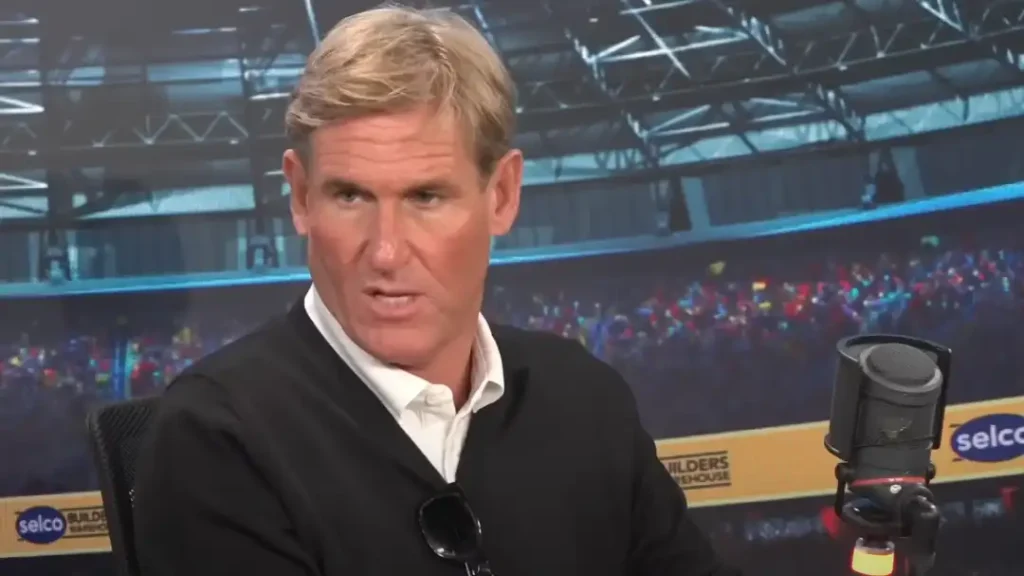
Simon Jordan’s return to a Crystal Palace match highlights long-standing tensions from the club’s post-administration era and ongoing questions about leadership stability.
Simon Jordan will attend a Crystal Palace match in person this weekend for the first time since leaving the club in 2010. The former owner said on talkSPORT that he will be at Craven Cottage for Sunday’s Premier League meeting with Fulham. He plans to take his son to his first live game. Jordan has avoided attending Palace fixtures since the club was sold during administration and a new ownership group led by Steve Parish took charge.
The return is notable because Jordan remains a minority shareholder and a regular commentator on Premier League governance. His remarks come during a period in which clubs face tighter financial controls and close scrutiny of managerial contracts. The development also draws attention to how former owners re-engage with clubs once operational control has shifted.
Jordan bought Palace in 2000 and oversaw a decade that included promotion in 2004. The club later returned to the Championship and entered administration in 2010. That process paved the way for the CPFC 2010 consortium, which remains in charge today.
He has stayed away from matches due to personal distance from the current ownership. His comments suggested the decision was based on circumstances around the handover rather than ongoing events.
Jordan said he now wants to introduce his son to live football. This marks a shift from years of following the club only through media coverage.
The reopening of this chapter comes in a league that operates under far higher revenues than during Jordan’s tenure. Central distributions more than doubled over the past decade, reshaping expectations around investment.
Jordan built his wealth in the 1990s through a mobile-phone retail chain called The Pocket Phone Shop. The business was sold around 2000 for about £73 million, earning Jordan roughly £36.5 million.
Shortly afterwards he paid an estimated £10 million to acquire Crystal Palace, becoming the club’s chairman at 32. Over the following decade he invested heavily in the club. By 2010, financial pressure — including delayed wages, mounting debt and a failed attempt to find new buyers — led Palace into administration.
At that point, Jordan was listed as the club’s largest creditor, owed about £20 million. The club subsequently passed to a new ownership group and his control ended.
Jordan is returning at a time when the club and league operate in a very different financial landscape.
Crystal Palace have not issued any comment on Jordan’s planned attendance. There is no indication of any meeting or engagement between him and the club.
Supporters have reacted mainly through curiosity, noting Jordan’s media presence and the length of his absence. Online discussion has focused on the historical context and what his return symbolises rather than expectations of change.
The reaction also sits within a wider conversation about Palace’s direction under the current ownership, which has guided the club through long Premier League spells and infrastructure upgrades.
Public response has focused on the symbolism of the moment rather than immediate club implications.
Jordan’s presence at a match may attract attention among supporters who follow his commentary on player sales, budgeting, and governance. His remarks also intersect with ongoing debate over Premier League profit and sustainability rules, which influence transfer strategies for mid-table clubs.
Compared with 2010, Palace now operate in a far more stable commercial environment. The club benefit from global broadcasting deals that far exceed the values of the mid-2000s.
The situation also reflects a broader media trend in which former executives maintain influence through broadcasting rather than direct involvement. This model shapes how supporters understand behind-the-scenes decisions.
Jordan’s return intersects with changing revenue models and growing media roles for former owners.
Premier League financial reports show total distributions climbing significantly since the early 2010s. This has increased pressure on clubs to demonstrate clear spending strategies and transparent decision-making.
By contrast, UEFA’s financial landscape has changed at a slower pace, which has strengthened the Premier League’s commercial position. Clubs like Palace now compete in a system driven more by long-term planning and data-led recruitment.
Rising league revenues have expanded expectations around financial management and managerial support.
Fulham vs Crystal Palace will be shown live in the UK on Sky Sports. Streaming is available through Sky Go for subscribers.
In the United States, the match will air on NBC Sports platforms. Optus Sport will broadcast it in Australia, while DAZN holds rights in several European territories.
Highlights will appear on official Premier League digital channels. There is no confirmed free-to-air broadcast in the UK.
Access varies by region, with Sky Sports carrying the match in the UK.
Jordan has said he kept his distance due to the circumstances surrounding the club’s administration and transition to new ownership. He described it as a personal boundary rather than an ongoing dispute.
Yes. Jordan retains a minority shareholding, but he does not have an executive role. Palace’s operations are managed by the current ownership group.
He suggested that Glasner may leave at the end of the season because he has not signed a new contract. Jordan linked his view to the club’s transfer activity and expectations around squad investment.
No. The club have not publicly acknowledged his attendance or made any related comment.
Palace sit in the top half of the table, but the standings may change due to upcoming fixtures, including a midweek match at Burnley.
Jordan is expected to attend Sunday’s match without any formal engagement with the club. Palace will continue a run of fixtures that may influence their league position and discussions around managerial planning.
There have been no updates on Glasner’s contract. The club have not commented on renewal negotiations or timelines.
Jordan’s return highlights how former owners navigate their relationship with clubs after major transitions. It also shows how financial growth and regulatory pressure have reshaped expectations across the Premier League. Supporters are watching both the symbolic moment and its broader backdrop: long-term planning, managerial clarity, and stability. The key issue going forward is how Palace manage these pressures amid a competitive and commercially demanding league.
The match will take place at Craven Cottage in west London. Kick-off is set for 2pm on Sunday.
Sky Sports will broadcast the game live in the UK on its Premier League channel. Subscribers can stream it through Sky Go on mobile devices, tablets or smart TVs.
Viewers without a Sky subscription can watch via the NOW streaming service with a day or month membership. International coverage will follow regional Premier League rights, with NBC Sports carrying the match in the United States and Optus Sport showing it in Australia.
Craven Cottage remains one of the league’s smallest stadiums, so away allocations are limited and tickets for this fixture are sold out.
📣 Gary Lineker Lands Multi-Million-Pound Netflix Deal for 2026 World Cup Podcast