Understand Your Rights. Solve Your Legal Problems


The case could affect how sovereign reserves held in Europe are handled during sanctions, with potential knock-on effects for investors and Ukraine funding plans.
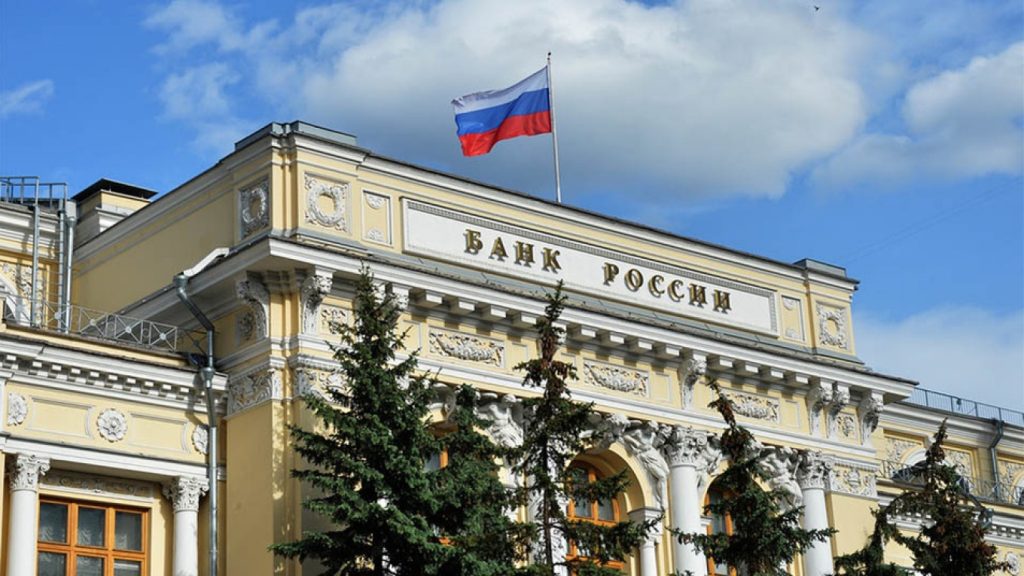
Russia’s central bank has filed a lawsuit in Moscow seeking 18.2 trillion roubles (about $230 billion) in damages from Euroclear, the Belgium-based securities depository that holds most of Russia’s immobilised sovereign reserves in Europe.
A Moscow commercial court said it received the claim on December 12, and the filing became widely reported on December 15.
The dispute centres on Russian central bank assets frozen under European Union sanctions imposed after Russia’s full-scale invasion of Ukraine in February 2022.
The filing lands as EU governments pursue a plan to use proceeds generated by frozen Russian reserves to support financing for Ukraine in 2026 and 2027.
EU member states agreed on December 12 to keep roughly €210 billion in Russian sovereign assets frozen indefinitely, a change intended to remove political and legal obstacles to longer-term funding decisions.
Russia argues the EU approach is unlawful and says it will use legal avenues to protect its interests, raising broader questions about state assets, sanctions policy, and cross-border enforcement.
A Moscow commercial court has confirmed that the Bank of Russia is seeking 18.2 trillion roubles in damages, an amount the central bank says reflects the full value of its sovereign reserves frozen in Europe. Court records show the claim was filed on December 12.
Euroclear is a central securities depository that holds and settles financial instruments for banks, asset managers, and other financial institutions. It plays a critical role in Europe’s post-trade financial infrastructure.
The majority of Russian central bank reserves immobilised under EU sanctions are held through Euroclear accounts. European officials have previously acknowledged that the Belgium-based depository is the primary custodian of these assets.
In a statement published on its website, the Bank of Russia said the lawsuit concerns what it described as unlawful actions linked to the handling of its reserves and said it would pursue all available legal means to protect its rights and financial interests.
EU member states agreed on December 12 to keep about €210 billion in Russian sovereign assets frozen indefinitely, according to the Associated Press and other public reporting.
The stated aim was to prevent a future release of the funds through political blockage under the EU’s normal sanctions renewal cycle.
A separate Reuters report said the indefinite freeze was meant to help unlock support for an EU plan to use frozen Russian cash to extend a loan of up to €165 billion to Ukraine to cover military and civilian budget needs in 2026 and 2027.
The plan being discussed in Europe has generally focused on using income and windfall proceeds generated by immobilised assets rather than transferring the underlying principal, reflecting legal caution among some governments and market participants.
The Bank of Russia has said publicly that European Union plans to use income generated from its frozen assets are unlawful and has stated it will defend its interests through legal and other available mechanisms.
EU institutions and most member states have maintained that keeping Russian sovereign assets frozen is necessary to sustain support for Ukraine, while also recognising the legal sensitivities involved in any use of those funds.
Several EU governments have expressed reservations about the approach, warning that extending asset measures could raise legal and diplomatic concerns within the bloc, even as others argue the policy is justified by the ongoing conflict.
Euroclear has not issued a public response to the lawsuit or the claims made by Russia’s central bank.
For consumers, the immediate impact is indirect, but the dispute touches the plumbing of Europe’s financial system.
Euroclear is a major hub for holding and settling securities used by banks, pension funds, and asset managers, and legal uncertainty around its exposure can influence risk management and costs for financial firms.
EU policymakers have argued that keeping Russian reserves immobilised strengthens the bloc’s ability to sustain support for Ukraine without immediate new tax measures, while Russia says the approach undermines confidence in jurisdictions that hold foreign reserves.
The debate also matters to central banks and finance ministries globally because it tests assumptions about the security and neutrality of reserve holdings during geopolitical crises, particularly when assets are held through international custodians and settlement systems.
Euroclear has published annual results showing the frozen Russian cash balances have generated substantial interest income as euro-area interest rates rose.
In its 2023 results, Euroclear reported approximately €4.4 billion in interest arising on cash balances linked to Russia-sanctioned assets, and said those earnings were subject to Belgian corporate tax.
In its 2024 results announcement, Euroclear reported that interest arising on cash balances from Russian-sanctioned assets was approximately €6.9 billion in 2024.
Separate research from Sweden’s central bank has examined historical freezes and seizures of central bank assets and noted the scale of the immobilisation of Russia’s reserves is unusual in the modern record.
The case challenges the legal foundations of Europe’s sanctions regime and the role of financial intermediaries that hold sovereign assets on behalf of states.
The dispute goes beyond Ukraine funding and raises questions about whether central bank reserves remain protected from legal challenge when sanctions move from simple immobilisation toward active use.
The lawsuit also increases pressure on institutions such as Euroclear that underpin global securities markets and depend on legal clarity and predictability to operate.
More broadly, it examines how far governments can extend sanctions policy without weakening long-standing principles of sovereign immunity and investor confidence.
Upcoming court proceedings in Moscow and further EU decisions will indicate how sustainable this approach may be over time.
👉 Further Reading: Russia Designates Pussy Riot Extremist Organization 👈