Understand Your Rights. Solve Your Legal Problems



Product liability disputes are framed publicly as questions of defect, damage, and duty.
Commercially, they are something else entirely: a leverage contest triggered by financial pressure, regulatory scrutiny, and credibility friction that shifts bargaining power long before settlement documents circulate.
A consumer clicking a legal article is rarely researching doctrine—they are trying to understand exposure, regain financial access, or avoid signing a contract that quietly transfers risk they cannot absorb.
This article is built for that reader.
Tension starts early, not loudly. A product failure disrupts cash flow, triggers bank or insurer reviews, or freezes account access during compliance checks.
Once that happens, the balance shifts: the injured party negotiates from strength, and the manufacturer—especially if it has modified or integrated third-party components—must prove oversight, traceability, and update governance faster than the claimant can prove defect.
If documentation cannot be produced cleanly and quickly, friction turns into settlement disadvantage.
The leverage winner is typically the party that can point to measurable financial harm, business disruption, or enforcement exposure. That advantage arises not because they shout loudest, but because liability frameworks increasingly demand that manufacturers evidence their internal governance rigorously and rapidly.
The manufacturer or modifying party loses leverage if it cannot show a clear audit trail of product decisions, cybersecurity safeguards, updates, or third-party verification.
Regulatory friction emerges when a defect intersects enforcement obligations. Banks may restrict liquidity while investigating, insurers may delay approval or reimbursement, and recourse clauses that looked watertight at contract-signing suddenly look unenforceable if they conflict with statutory safety duties.
A product liability dispute becomes personally consequential when any of the following occur:
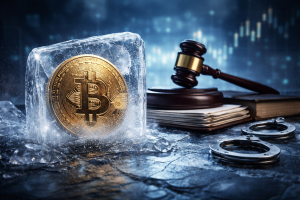
Financial access is restricted or frozen during investigation
Contract counterparties quietly shift liability pressure through silence or delay
Indemnity terms cannot override statutory product safety obligations
Modifications create joint liability pressure across a supply chain
Governance credibility loss changes a negotiation’s power dynamic
A product is not physically faulty, but commercially or digitally compromised through updates or interconnected components
Public readers need these stakes explained plainly, not listed clinically. Real leverage is not restored by theory, but by documentation and action.
Commercial leverage in product liability often hinges on statutory duties that extend beyond defect presence to include warnings and design obligations; for a detailed jurisdictional example of how these duties play out in practice, see the California product liability framework for design, manufacturing, and warning defects.
The fastest path back to balance is to deploy legally fluent documentation early—before settlement pressure or contract silence hardens into defeat.
Affiliated legal service platforms now form a practical bridge for:
contract enforceability shields,
product liability claim packs,
update and governance documentation,
cybersecurity traceability files,
and pre-negotiation leverage recovery filings.
For businesses facing governance credibility friction, LLC and compliance documentation through LegalZoom or Incfile prevents operational silence from becoming leverage loss.
For contracts where enforceability is the leverage pressure point, Rocket Lawyer and Nolo provide fast, defensible contract scaffolding that prevents signing-friction from becoming unenforceable-agreement exposure.
And where disputes trigger enforcement or frozen-account exposure, platforms like Nolo and Rocket Lawyer assemble filings and documentation rapidly enough to stabilise financial position before investigations stall settlement power.
These platforms do not replace counsel. They prevent the claimant, manufacturer, or consumer from losing leverage to evidentiary silence.
Q: Who gains leverage when a product liability dispute turns commercial?
A: The party suffering financial harm or business disruption gains leverage because the manufacturer must evidence governance and oversight quickly to avoid presumed defect.
Q: Can product modifications shift liability pressure?
A: Yes. The modifying or integrating party inherits liability friction if they cannot demonstrate verification, update governance, or cybersecurity traceability.
Q: What happens if oversight documentation cannot be produced rapidly?
A: Defect may be presumed, enforcement friction may freeze liquidity, and negotiations tilt toward settlement disadvantage.
Q: Can statutory product liability be waived by contract?
A: No. Statutory product safety and liability obligations cannot be contractually erased.
Q: What is the biggest commercial risk manufacturers underestimate?
A: Governance credibility erosion. The product may function, but commercial trust breaks faster if oversight cannot be evidenced.
Q: Why do frozen accounts matter in product liability disputes?
A: Enforcement reviews can restrict liquidity during investigation, delaying settlement power and shifting leverage away from the asset holder.
Q: Are affiliate legal platforms useful before settlement talks?
A: Yes. They restore leverage by assembling filings and documentation before settlement pressure or contractual silence hardens.
Q: Which party carries the burden when defect intersects cybersecurity or updates?
A: The manufacturer or integrating party must show compliance traceability, oversight, and governance integrity.
Q: What restores leverage fastest for consumers or small businesses?
A: Rapid documentation and filings through platforms like LegalZoom, Rocket Lawyer, or Nolo stabilise position before settlement pressure becomes defeat.
Q: Do affiliate legal services replace law firms?
A: No. They prevent leverage loss caused by documentation delay and are often used before legal counsel takes over negotiation or litigation.