Michael Jordan at Center of Jury Concerns in NASCAR Antitrust Trial
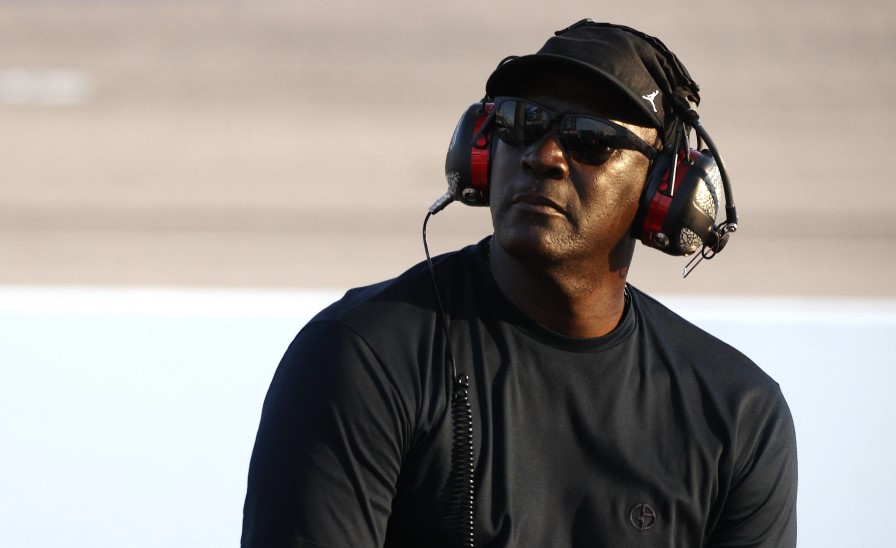
Jury selection in the federal antitrust case brought by 23XI Racing against NASCAR drew scrutiny after several prospective jurors referenced Michael Jordan’s presence, raising questions about impartiality and the broader legal dispute over NASCAR’s charter system.
Inside the Antitrust Case Testing NASCAR’s Competition Rules
Jury selection in the federal antitrust case involving 23XI Racing and NASCAR drew immediate legal attention after several prospective jurors in Charlotte, North Carolina indicated they could not remain impartial due to Michael Jordan’s involvement.
The matter surfaced on the trial’s opening day as the court assessed bias concerns linked to Jordan, a co-owner of 23XI Racing.
The case centers on whether NASCAR’s charter structure restricts competition in violation of federal antitrust law.
The presiding court must determine whether market control, team access, and revenue arrangements meet legal standards for fair competition.
Federal judicial authorities, including the U.S. District Court for the Western District of North Carolina, are overseeing the proceedings.
The issue carries implications for competitive integrity within professional motorsport, the financial sustainability of racing teams, and public confidence in transparent governance across major U.S. sporting industries.
What We Know So Far
The antitrust trial involves claims brought by 23XI Racing and Front Row Motorsports alleging that NASCAR’s charter system disadvantages teams and limits competitive opportunity.
Michael Jordan, as a co-owner of 23XI Racing, attended the first day of proceedings. Several prospective jurors were dismissed after stating they could not be impartial due to Jordan’s prominence and personal significance.
The final jury consists of six men and three women. Only three of nineteen prospective jurors identified as NASCAR fans, reflecting lower engagement than expected for a case involving the state’s official sport.
Testimony began with 23XI Racing co-owner Denny Hamlin describing the financial pressures facing teams, including the high cost of charters and the revenue needed to break even. Opening statements addressed NASCAR’s market power, team profitability, and the valuation of the organization.
Judge Kenneth Bell allowed Jordan to remain in the courtroom but required other 23XI representatives to remain outside until their testimony to comply with procedural rules.
The Legal Questions Raised
The case raises core antitrust questions about whether a dominant sports organization can structure participation rules in ways that disadvantage independent teams.
Under U.S. antitrust law, courts typically evaluate whether a single governing body imposes restrictions that limit competition, access to markets, or revenue potential for competitors.
The dispute also touches on the legal obligations surrounding franchise-style agreements in professional sports, where courts may scrutinize exclusive arrangements to determine whether they constitute unfair barriers.
Issues concerning team profitability, cost structures, and control over entry into high-level competition fall within established antitrust frameworks.
Testimony regarding charter valuations and operational costs introduces additional questions about whether the system meets federal standards for open competition or creates conditions that restrain economic participation.
Why Oversight and Fair Competition Matter in the NASCAR Antitrust Case
Global governance frameworks such as UN and OSCE rule-of-law principles emphasize fairness, transparency, and equal access to economic participation, and these expectations also apply to major sports organizations that regulate financially significant industries.
Public interest extends to the sustainability of teams, the stability of workers, and the clarity of competition rules, all of which shape how communities, sponsors, and participants view the fairness and accountability of the system.
Federal antitrust cases operate under established judicial standards, requiring detailed economic analysis, financial records, contracts, and expert assessments to determine whether market structures restrict competition.
Evidence may include internal studies, digital and financial forensics, and disclosures that help regulators and courts evaluate potential barriers or concentrated control.
Reviews of this kind often involve cooperation among economic specialists, regulatory analysts, and independent experts when organizational practices raise questions about compliance with federal competition law.
Risks, Implications & Public Impact
The outcome could influence competitive dynamics across professional motorsport, including how teams enter or remain within top-tier competition.
Shifts in charter rules or revenue structures may affect team stability, investment decisions, and long-term financial planning.
For the broader public, the case may affect perceptions of fairness and transparency in a high-profile U.S. sport, particularly one with strong regional ties.
Disputes over competition rules can also influence trust in governing institutions and the consistency of regulatory oversight.
Depending on findings, the case may shape future governance frameworks, industry accountability standards, and the expectations placed on organizations with significant market control.
Key Questions People Are Asking
Are charter systems treated as antitrust issues?
Courts generally examine whether franchise-style systems restrict market participation or create unequal access. The key question is whether the structure limits competition or creates undue barriers for independent entities.
Why does jury impartiality matter in an antitrust case?
Federal trials require jurors who can evaluate market-competition evidence without bias. High-profile attendees, such as well-known public figures, can influence impartiality assessments during selection.
How do courts evaluate claims that teams are losing money?
Courts often consider financial statements, independent valuations, spending requirements, and revenue streams to determine whether an economic structure is competitively restrictive.
Is the presence of industry leaders in the witness list unusual?
Major antitrust cases often involve testimony from high-level executives, as they are responsible for organizational decision-making and oversight.
Does declining fan engagement affect the legal issues?
While not central to antitrust law, economic context—such as attendance or ratings—may inform arguments about market conditions, sustainability, and competitive pressure.
What the Court Will Evaluate Next in the NASCAR Antitrust Trial
The trial will proceed with additional witness testimony, economic evidence, and expert analysis of NASCAR’s charter structure as the court reviews financial models, contractual frameworks, and governance arrangements to assess compliance with federal antitrust standards.
Testimony from executives and team owners may follow, depending on scheduling and evidentiary requirements, alongside the court’s consideration of any procedural objections raised during examination.
After the presentation of evidence concludes, the process typically moves to judicial review, written submissions, and deliberations under established federal antitrust procedures.
The broader legal significance of the case lies in how competition rules in a major U.S. sport intersect with questions of market access, financial sustainability, and organizational control.
The court’s findings may shape expectations for transparent governance and competitive fairness across professional sports industries.