Understand Your Rights. Solve Your Legal Problems


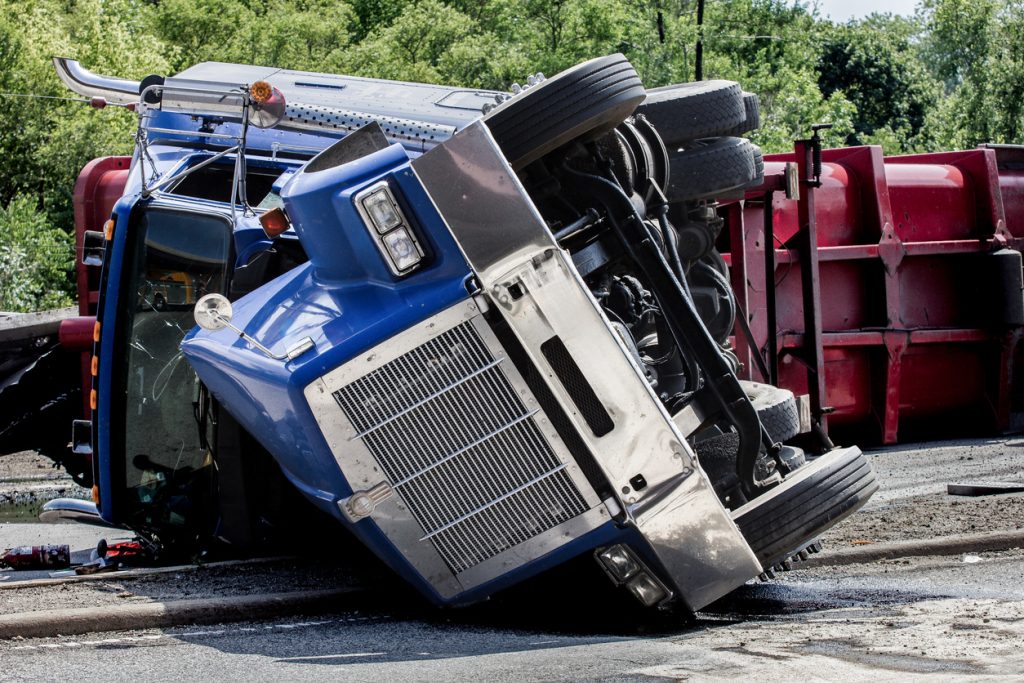
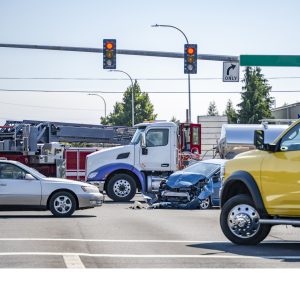
The actions taken by victims in the first moments after the Austin truck accident will determine their future legal position. The process of evidence documentation needs to begin immediately because it stops important details from disappearing while memories fade and accident locations transform. Victims can protect their rights and build a stronger case by documenting vehicle damage and road conditions as well as medical care and witness information, through organized proof collection.
If you can move, get yourself and anyone with you to a safe area. On I-35 through downtown, there’s not much shoulder, so don’t gamble by standing near live lanes. Flip on your hazards. If the car moves, ease it to the right. If it won’t, stay inside with your seat belt on until help arrives. It sounds basic, but it’s the most important step. Once you feel safe try to get help by calling the emergency. Secondly, this is important to call an Austin trucking accident attorney and discuss the situation with him.
Call 911. In Austin, APD, EMS, and AFD coordinate pretty quickly, especially at major wrecks. Tell the operator if anyone’s hurt, how many vehicles are involved, and where you are (mile markers on I-35 help; on city streets, look for cross streets—like “South Lamar at Oltorf”).
Even if you feel “fine,” let EMS check you. Crash adrenaline can hide injuries. If they suggest the hospital, go. Dell Seton Medical Center and St. David’s have strong trauma teams. Tell the doctors everything you feel, even the small stuff—headache, ringing ears, stiffness. That becomes part of the record.
Once you’re safe and first responders have things under control, start gathering details. Your phone camera is your best friend here.
Do a slow, steady video where you talk through what you’re seeing. Something like: “This is northbound I-35 just past the 15th Street exit. My car’s in the right lane. The truck’s across the middle lanes. Debris in the third lane.” Don’t guess blame. Just narrate facts and visuals. Your future self will thank you.
Ask bystanders for contact info. You don’t need a novel—just a name, cell number, and a quick note like “saw truck drift lanes by Braker Ln.” If a good Samaritan from a nearby food truck on Airport Blvd comes over and says, “I saw it,” try to get their number before they leave. Snap a photo of the business sign too; it can help you find them later.
Ask the officer for: - The case or report number - Their name and badge number - When and how to get the crash report
In Austin, the official crash report (often called a CR-3) is usually available through TxDOT’s online portal within a few days. If DPS handled it (common on state highways), same deal—TxDOT portal. Write that report number somewhere you won’t lose it.
If your car gets towed, ask where. Austin lots can be scattered—maybe South Congress, Montopolis, or Howard Lane. Get the name of the yard, the address, and the unit number assigned to your car. When you visit, take more photos in daylight before repairs start.
Don’t rely on city traffic cameras—they often stream live and don’t store footage. But here’s the surprise: private cameras are gold. - Gas stations, taco stands, and auto shops along the frontage roads often have cameras facing the street. - Apartments and condos on Riverside, North Burnet, or Mueller may have gate or driveway cameras that catch the road. - Doorbells in neighborhoods like Travis Heights or North Loop sometimes capture crashes at intersections. - CapMetro buses have cameras. If a bus was nearby, its video might help.
Ask the manager right away and be kind. Video gets overwritten fast—sometimes in days.
You can request 911 call audio and, sometimes, body cam or dash cam video from APD through a public records request. Move fast because some recordings aren’t kept long. Even if you don’t get everything, logs and dispatch times can confirm when and where things happened.
Austin’s always under construction (hello, I-35 project). If your crash happened near cones, lane shifts, or those big orange barrels, note it. Snap the work zone layout, warning signs, and any missing signs. Those details matter when figuring out why traffic flowed a certain way.
Make a single home for your stuff—a physical folder and a digital one: - A paper folder for printed reports, business cards from officers, and tow yard receipts - A phone album labeled “Truck Crash – [date]” for photos and videos - A cloud folder (Google Drive, iCloud, Dropbox) with the same files, just in case your phone takes a swim in Barton Springs
Name files clearly: “2025-03-14_APD_ReportNumber_PhotoOfTruckDoor.jpg.” It takes an extra second and saves hours later.
Big rigs often have electronic driving logs and “computer” data that shows speed, braking, and hours on the road. Some companies keep it. Some systems overwrite it pretty fast. If you think the truck’s data matters—and it usually does—act quickly to make sure it’s saved. The same goes for dash cam video from the truck or nearby vehicles.
Don’t toss broken stuff from your car. Keep the cracked phone case, torn backpack, broken glasses, and the child seat. Put everything in a box. Photograph it all. These items tell a story about force and direction that pictures alone can’t.
If you want a simple flow to remember: - Safety first and 911. Get checked out. - Photo the scene: wide, then close. Weather, lanes, damage. - Capture truck details: company, numbers, plates, placards. - Get witness names and the police report number. - Track medical visits, pain, and all receipts. - Hunt for nearby camera footage fast. - Keep everything in one folder, with clear file names. - Don’t post on social. Keep notes on insurance calls. - If you missed the scene, go back next day and ask around.
Serious trucking accidents are messy and scary. It’s okay to feel overwhelmed. But a handful of simple actions—photos, names, reports, and a tidy folder—can turn confusion into clarity. In Austin, with our maze of highways, events, and constant construction, small local details carry big weight.
So here’s the thought to keep in your back pocket: treat the scene like a story you’re saving for later. A few pictures, a few notes, and a couple of quick asks at nearby spots can make all the difference when the dust settles. And if you’re reading this on a calm day, set up a “Crash” album on your phone now. Hopefully, you never need it. But if you do, you’ll be ready.