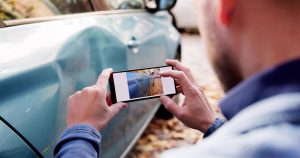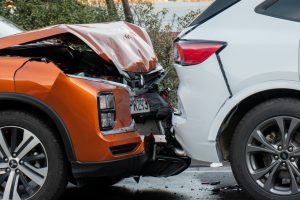
Surveillance video and vehicle cameras are changing how car accident claims are resolved in Maryland. With direct, visual evidence, these recordings often cut through the noise of conflicting stories and unreliable memories. Dashcam and surveillance footage can make it a lot easier to see who’s actually at fault, which tends to simplify the whole legal process and give claims a stronger footing.
These recordings capture crucial moments from different perspectives—inside the car, from street corners, at busy intersections—filling in details that are usually tough to piece together. For anyone dealing with injury claims after a crash, having video that’s both accessible and admissible can tip the scales, especially if you’re working with a sharp legal professional who knows Maryland’s legal quirks.
While you do have to be careful with audio recording laws (those internal mics can be tricky), the visual side alone carries a ton of weight in liability decisions. Whether it’s from a home security camera, a traffic cam, or another driver’s dashcam, video records usually give a more honest and efficient read on what actually happened.
Impact of Surveillance Footage and Dashcams on Car Accident Lawsuits in Maryland
Video from public cameras and dashcams has shifted how liability gets figured out and how insurance companies size up claims. These recordings give a more objective look at the moments before, during, and after a crash, which helps with detailed investigations and can sway negotiations or even court outcomes.
Role of Video Evidence in Proving Fault
Footage from traffic cams, security systems, and dashboard cameras can show exactly what happened—sometimes down to the second. It’s hard to argue with a video that clearly shows someone running a red light or driving recklessly. In Maryland, where proving fault is everything when it comes to compensation, this kind of evidence is a game-changer.
Courts expect these recordings to be legit—untouched and authentic—before they’ll even look at them. Drivers and lawyers who hang onto the original clips (and don’t mess with them) are in a much better spot than those who rely on fuzzy memories or contradictory statements. This kind of clarity can really speed things up, avoiding drawn-out arguments over what “might” have happened.
How AI-Driven Software and Accident Reconstruction Work
Now we’ve got AI-powered tools that can break down video from all angles and stitch together a pretty detailed simulation of the crash. These programs can crunch numbers on vehicle speeds, angles, impact points—you name it—to show how things unfolded.
It’s not just about fancy graphics, either. This tech adds precision that traditional eyewitness accounts just can’t match. More Maryland lawyers are leaning on these reconstructions to back up their arguments, whether it’s at the negotiation table or in front of a judge. It’s a blend of technology and capability that’s hard to ignore.
Insurance Claims and Legal Outcomes Influenced by Dashcam Footage
Dashcams are playing a bigger and bigger role in how insurance companies handle claims. Insurers like having video to check against the stories they’re told—it helps them settle things faster and with less back-and-forth. While just owning a dashcam doesn’t mean you’ll get a discount on your premium, the footage can protect you from bogus blame and make claims move along a lot quicker.
Since Maryland’s all about fault-based liability, having solid video can keep your premiums from shooting up if you weren’t the one who messed up. Just make sure you keep the original files untouched and only hand them over to people who are supposed to see them. When you do it right, dashcam footage is a powerful tool for lawyers and anyone fighting for a fair payout.
Technological Advancements and Legal Considerations
New tech has totally changed how evidence gets gathered and picked apart in car accident cases. It gives lawyers and investigators sharper details and helps clear up the usual headaches around proving who’s really at fault. Of course, these advances come with their own set of legal questions about how the data is collected and used in court.
Integration of Traffic Cameras, GPS Data, and Smartphones
Public traffic cams now record nonstop at intersections and along major roads. These videos can show exactly where cars were, whether someone blew a light, and the timing of everything. GPS from vehicles and phones adds another layer—mapping out routes, speeds, and stops right before the crash.
Phones, in particular, are little data machines. They log real-time sensor info and location tags that can back up what drivers or witnesses are saying. Courts usually accept this stuff as long as you can show where it came from and that it hasn’t been messed with. Keeping original files and metadata is key if you want to avoid headaches later.
Put all this together and you get a much more detailed, objective timeline—sometimes it’ll back up someone’s story, other times it’ll poke holes in it. Either way, it helps.
Preventing Staged Accidents and Identifying Distracted Driving
With so much digital evidence floating around, it’s gotten a lot tougher to fake an accident for a payout. Dashcams and traffic cameras are always rolling, so they’ll often catch weird moves or sudden stops that don’t add up in staged claims.
These systems are also pretty good at spotting distracted driving. Things like phone use or erratic patterns get picked up by GPS or cameras, and that stuff can really matter when it comes to deciding fault and damages.
By exposing bogus accidents and showing when drivers weren’t paying attention, all this recorded evidence helps insurance companies and courts get things right more often. It cuts down on unnecessary lawsuits and, honestly, probably makes people think twice before doing something risky behind the wheel.
Privacy Laws and the Admissibility of Digital Evidence
Maryland’s legal framework demands careful consideration when collecting and submitting electronic evidence. Surveillance devices set up in public areas usually don’t need anyone’s permission, but once you step inside private property, things get sticky—people expect a certain level of privacy, and the law tends to agree.
Getting data from smartphones or vehicles isn’t as simple as grabbing what you find; you need proper consent or some kind of legal go-ahead. Courts pay close attention to how footage or tracking info gets collected, making sure no one’s rights get trampled. If evidence is gathered the wrong way, there’s a good chance it won’t even make it into the courtroom.
It helps to keep solid records of how data is handled and what tech was used along the way. That kind of openness can make digital evidence more convincing—not just to judges, but to anyone on the other side of the case.