Understand Your Rights. Solve Your Legal Problems


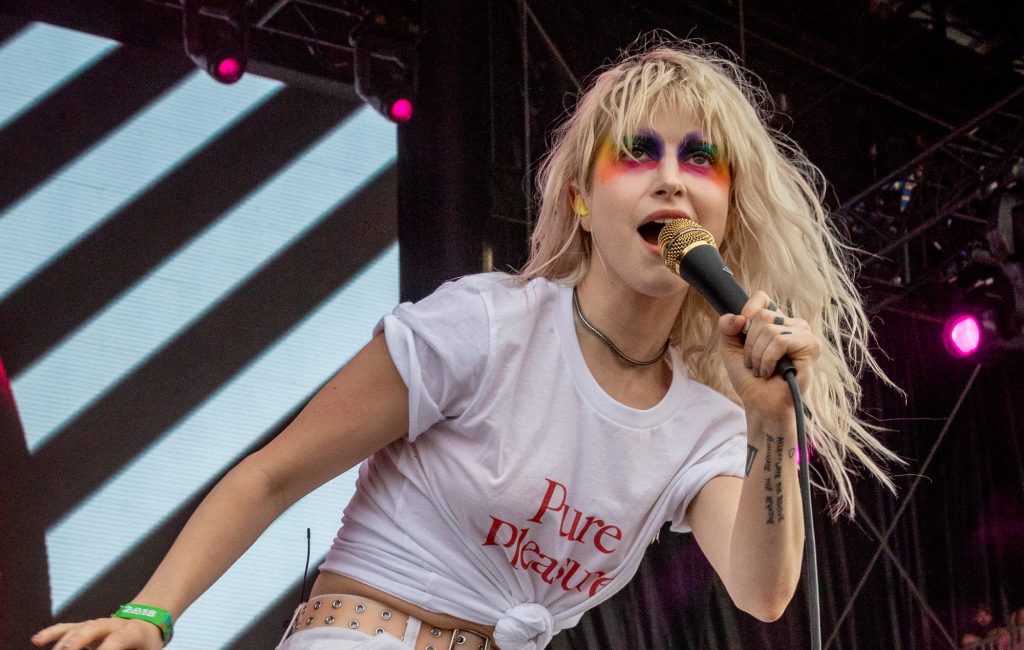
Hayley Williams Says Racists Are Not Welcome at Her Live Shows
Hayley Williams has clarified her stance on ensuring that Paramore and solo tour audiences remain inclusive spaces for all attendees.
Paramore singer Hayley Williams has said she does not want fans who hold racist, sexist or anti-trans views attending her concerts.
The comments, made in a new interview with Clash magazine during her recently extended solo tour, outlined her view on creating welcoming environments at shows.
Williams also discussed the band’s long-standing relationship with Black fans and the role inclusion has played in their work.
Her remarks come at a time when many artists and venues are emphasising safety, respectful conduct and accessibility at public events.
Clear behavioural expectations are increasingly recognised as part of maintaining inclusive spaces for diverse audiences.
Williams’ comments contribute to this broader conversation about how live events can remain welcoming while addressing discriminatory behaviour.
Williams told Clash that “all are welcome” at her shows, except individuals who hold discriminatory attitudes.
She said she does not want racists, sexists or people who view trans individuals negatively attending her concerts. The interview follows the release of her July solo project, which includes references to discriminatory behaviour and social issues.
Williams also referenced past public backlash involving country singer Morgan Wallen, who apologised in 2021 after a video showed him using a racist slur.
Fans have shared the interview widely across social platforms, noting the clarity of Hayley Williams’ position on inclusivity at live events.
Music communities and fan groups have also pointed out that many artists and venues already publish expectations around respectful conduct.
Industry organisations, including Live Nation and UK Music, regularly highlight measures aimed at improving accessibility and safety across the live performance sector.
Public-facing events often rely on clear codes of conduct to support safety, reduce harassment and ensure equal access for attendees.
Guidance from bodies such as the UK’s Equality and Human Rights Commission notes that discrimination protections apply to services open to the public.
Inclusive approaches can strengthen community cohesion at cultural events, and clear statements on expectations help reduce misinformation while reinforcing the need for respectful behaviour in shared spaces.
Fans seeking updates can follow information from artists and venues through official websites and social media channels.
Most venues publish accessibility details and conduct guidelines online, including how to report concerns during an event.
Public health agencies such as the NHS also offer general advice on staying safe in crowded settings.
Ticket holders can check venue information pages for entry rules, bag policies and accessibility provisions.
Williams said she does not want individuals who hold racist, sexist or anti-trans views attending her shows. Her comments were made in a Clash magazine interview discussing inclusion and audience conduct.
The topic surfaced during promotion for her solo project, which includes themes related to discrimination and social issues. It also aligns with wider public conversations about respectful behaviour in shared spaces.
Williams mentioned Morgan Wallen in connection with a lyric on her solo record, referring to the widely reported 2021 footage in which he used a racist slur and subsequently apologised.
Online responses have generally highlighted the clarity of her position. Many note that similar expectations are common across public events and live music venues.
Williams did not outline any formal changes to future shows. Her comments relate to the general expectation that events remain inclusive and welcoming.
Williams is continuing her solo tour, and any forthcoming updates are expected to be shared through her official channels or venue partners.
Venues routinely review conduct and accessibility guidance, and public information on safety, accessibility and entry requirements remains available through standard event communications.
Her comments highlight the importance of inclusivity and safe participation at public events, reflecting wider expectations around respectful behaviour in shared cultural spaces.
The issue matters because live events rely on accessible, non-discriminatory environments for all attendees. Fans can follow official artist and venue updates for the latest information.