Florida Names Muslim Brotherhood and CAIR as Foreign Terrorist Groups
Florida’s directive signals a state-level policy shift affecting how public agencies manage contacts, funding restrictions and compliance obligations involving the Muslim Brotherhood and the Council on American-Islamic Relations.
State Order Sets New Operational Rules for Agencies
Florida has issued a statewide order naming the Muslim Brotherhood and the Council on American-Islamic Relations (CAIR) as foreign terrorist groups and instructing state agencies to adjust their operations accordingly.
EFFECTIVE IMMEDIATELY
Florida is designating the Muslim Brotherhood and the Council on American-Islamic Relations (CAIR) as foreign terrorist organizations.
Florida agencies are hereby directed to undertake all lawful measures to prevent unlawful activities by these… pic.twitter.com/2s48yYfEg7
— Ron DeSantis (@GovRonDeSantis) December 8, 2025
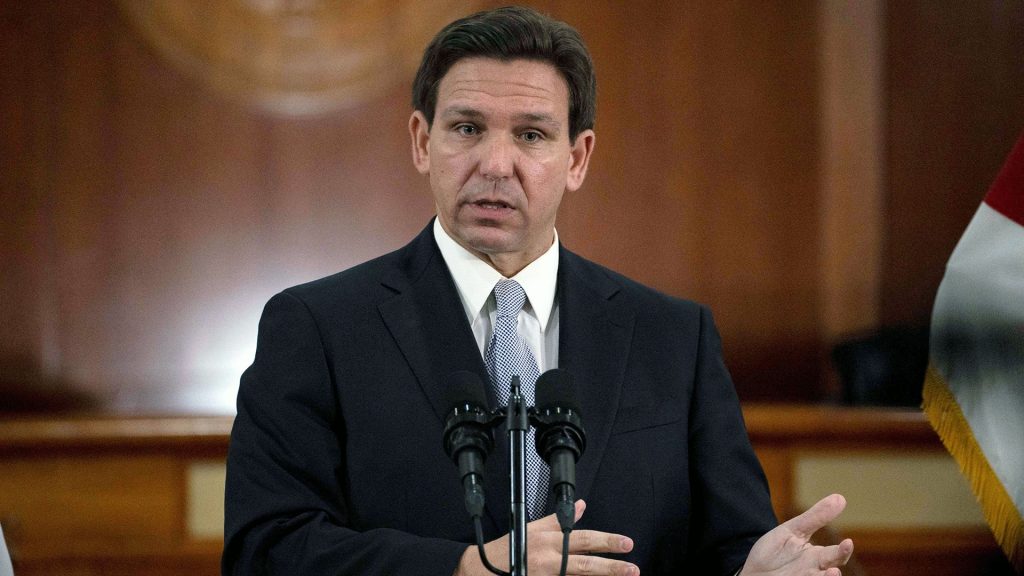
The directive, announced Monday by Gov. Ron DeSantis, applies to contracting, grant administration and other state-run functions.
While the classification does not carry the force of a federal designation, it establishes new criteria for how public entities evaluate organizational relationships and risk.
The announcement comes as several states reassess how they address organizations with overseas affiliations, particularly when past criminal cases or international networks draw government attention.
Florida’s decision echoes a recent action in Texas and highlights broader questions about how far states may go in identifying security threats independently of federal authorities.
The move is expected to shape legal challenges, civil liberties debates and administrative processes across multiple state institutions.
Why Florida Issued Its Designation
Florida officials said the decision reflects the state’s assessment of the Muslim Brotherhood’s historical involvement in violent activity abroad and concerns about U.S.-based networks aligned with foreign entities.
The order requires state agencies to evaluate whether any programs, partnerships or contractual relationships fall within the scope of the new classification.
State-level terrorism designations are uncommon in the United States, as federal law—administered by the U.S. State Department—typically governs foreign terrorist organization (FTO) listings.
Florida’s framework therefore operates solely within state jurisdiction and does not modify federal enforcement obligations.
How the Designation Affects CAIR Under Florida Law
The order includes CAIR, an established U.S.-based civil rights organization within its scope, citing concerns related to past criminal cases involving individuals who had associations with chapters or affiliates.
Federal courts have previously stressed that organizational liability requires clear evidence of direct involvement, and CAIR is not designated as an FTO under U.S. law.
The state directive may influence how agencies evaluate grant applicants, consultative partners and university-affiliated groups.
It may also prompt litigation, given ongoing national debates over First Amendment protections, association rights and the constitutional limits of state-level restrictions.
How Florida’s Action Compares With Other States
Texas issued a similar designation earlier this year, prompting several lawsuits and objections from religious and interfaith groups.
These cases argue that state-level terrorism labels, without a federal counterpart, exceed the authority granted to governors and could infringe constitutional protections.
Historically, states have invoked terrorism-related powers in areas such as homeland security coordination, funding controls and emergency management.
However, designating foreign organizations as terrorists—especially long-established advocacy groups—remains rare and legally untested in many respects.
What This Means for Public Agencies and Institutions
Florida’s order directs agencies to review policies related to contracting, program eligibility and access to state resources.
Universities, nonprofit partners, and government contractors may need to reassess compliance obligations, particularly if they work with groups that fall under the designation.
Because the Department of State maintains sole authority over federal FTO listings, any discrepancies between state and federal classifications can create complex operational questions for public institutions.
These include reporting duties, risk assessments and the treatment of student or advocacy organizations.
Key Legal Context Shaping the Dispute
Under federal law, FTO designations require specific findings based on statutory standards, including evidence of international terrorism and threats to U.S. nationals.
States do not have equivalent statutory frameworks, but they may adopt internal classifications for state programs and security protocols.
Legal experts note that state actions must still comply with First Amendment and due process requirements.
Prior cases challenging state restrictions on advocacy groups, including disputes involving boycott laws, have shown that courts often scrutinize how governments balance security concerns with constitutional rights.
Questions People Are Asking
Is Florida’s designation legally binding at the federal level?
No. Only the U.S. Secretary of State can issue a federal Foreign Terrorist Organization designation.
Does the order make it a crime to support CAIR or the Muslim Brotherhood?
Existing federal criminal laws on material support apply only to federally listed groups. Florida’s order affects state agencies but does not change federal criminal statutes.
Can organizations challenge the designation?
Yes. Groups may file lawsuits asserting constitutional or statutory violations, as is occurring in Texas.
Are other states considering similar actions?
As of now, only Texas has issued a comparable designation. No other states have enacted formal classifications of these groups.
Does the designation affect religious practice?
The directive does not target religious observance but may affect organizations’ interactions with state institutions.
Final Public-Interest Takeaway
Florida’s decision to classify the Muslim Brotherhood and CAIR as foreign terrorist organizations introduces a state-level framework that differs significantly from federal law.
The move affects how public institutions navigate partnerships, funding and compliance across the state.
Because the Muslim Brotherhood and CAIR are not federally designated as terrorist entities, the order raises important questions about constitutional limits, administrative authority and the broader role of states in national-security policy.
The issue is likely to remain contested as courts evaluate the implications of Florida’s classification.
👉 Greg Abbott Sued After Labeling Islamic Groups “Terrorists” 👈