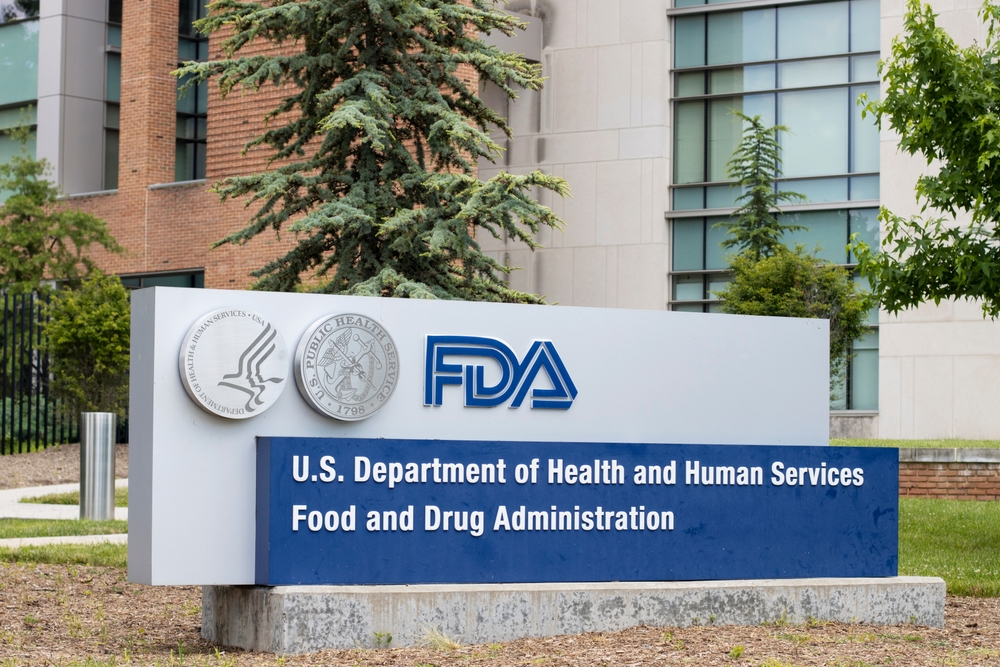
FDA Recall of Blood Pressure Medication After Ezetimibe Contamination
The recall affects thousands of U.S. patients taking certain lots of Ziac, a prescription blood pressure tablet made by Glenmark Pharmaceuticals.
Recall Summary
The U.S. Food and Drug Administration has issued a nationwide recall of select batches of a combination blood-pressure medication after routine testing identified the presence of ezetimibe, a cholesterol-lowering drug not included in the product’s formulation.
The affected tablets contain bisoprolol fumarate and hydrochlorothiazide, a pairing commonly prescribed to manage hypertension.
The recalled bottles were distributed across multiple states and packaged in several standard count sizes used in outpatient settings.
Although the contamination was detected at low levels, federal regulators classified the action as a Class III recall, indicating that the issue represents a manufacturing deviation that must be corrected even though adverse health effects are not expected.
The event underscores the importance of strict quality-control systems in pharmaceutical production, particularly for medications used daily by large patient populations to manage chronic cardiovascular disease.
How the Recall Was Initiated and What Regulators Found
The recall was initiated after manufacturing oversight processes identified ezetimibe in reserve samples of the blood-pressure medication.
Because both products are manufactured at the same facility, the finding points to a lapse in standard procedures designed to prevent cross-contamination between different production lines.
A Class III designation reflects the FDA’s conclusion that the contamination level is not likely to cause harm but still violates requirements governing product identity and purity.
Such recalls typically require the removal of specific lots from pharmacy and distributor inventories while replacement stock is arranged.
Why Ezetimibe Contamination Warrants Regulatory Action
Ezetimibe is a cholesterol-management drug intended for use only when prescribed for lipid disorders.
Its presence in an unrelated medication, even in small amounts, represents a failure of manufacturing controls required under current good manufacturing practice standards.
These rules ensure that each drug contains only the ingredients listed on its approved label.
Unintended mixing of active substances can affect clinical decision-making and complicate medication tracking, as prescribers rely on accurate formulations when monitoring therapy effectiveness or potential interactions.
Federal regulators therefore treat any cross-contamination event as a quality defect requiring a recall regardless of expected clinical severity.
What Patients and Prescribers Should Verify
Patients are advised to check the National Drug Code (NDC) and lot number on their prescription bottle to determine whether it falls within the recalled batches.
Pharmacies can confirm whether a patient’s supply is affected and arrange an equivalent, unaffected replacement.
Clinicians generally recommend that patients continue taking prescribed antihypertensive medication until they have verified whether their bottle is part of the recall.
Abruptly stopping blood-pressure therapy can cause health risks that outweigh concerns associated with the low-level defect identified.
How This Recall Fits Into Broader Drug-Quality Oversight
The FDA conducts routine facility inspections, reviews manufacturing records, and monitors stability and reserve samples to detect potential issues before they reach consumers.
Cross-contamination recalls occur periodically across the industry and often involve products manufactured on shared equipment.
In recent years, federal regulators have emphasized the need for stronger manufacturing controls in cardiovascular medicine supply chains because these therapies are widely used and typically taken daily.
Quality-control lapses can lead to temporary pharmacy disruptions and the need for rapid product substitution, making early detection essential to maintain treatment continuity.
Why Product Integrity Matters for Long-Term Hypertension Care
The recalled medication combines a beta-blocker and a diuretic, a formulation used for decades to manage high blood pressure through two complementary mechanisms.
Because hypertension treatments are long-term therapies, patients often take the same medication daily for years.
For chronic medications, even minor deviations in product composition can undermine confidence in supply reliability.
Maintaining strict adherence to manufacturing controls is therefore essential to prevent quality problems that could disrupt treatment or require widespread product replacement.
ey Questions About the Recall
Which medication is being recalled?
Specific lots of a bisoprolol fumarate–hydrochlorothiazide combination tablet, commonly marketed under a single brand name, are being recalled.
What contamination was found?
Trace amounts of ezetimibe, a cholesterol-lowering drug, were detected in reserve samples of the product.
Does the recall mean the medication is unsafe?
The Class III classification indicates that health consequences are not expected, but manufacturing standards were not met.
Should patients stop taking the medication immediately?
No. Patients should continue their current regimen until confirming whether their bottle is affected and then follow pharmacy or clinician guidance.
How can patients identify affected bottles?
By checking the NDC and lot number printed on the label and contacting their dispensing pharmacy for verification.
Final Public-Interest Takeaway
The FDA recall of a blood-pressure medication due to ezetimibe contamination highlights the critical role of manufacturing oversight in ensuring the safety and reliability of widely used chronic-care drugs.
Although the risk to patients is classified as low, the action reinforces that product identity and purity requirements apply uniformly across the pharmaceutical supply chain.
Patients and clinicians can minimize disruption by verifying affected lots and arranging timely replacements.
Continued monitoring and strong quality systems remain central to protecting the medication supply for those who depend on consistent cardiovascular therapy.
👉 Prairie Farms Milk Recall Prompts FDA Review Over Potential Contamination Risk 👈