Understand Your Rights. Solve Your Legal Problems


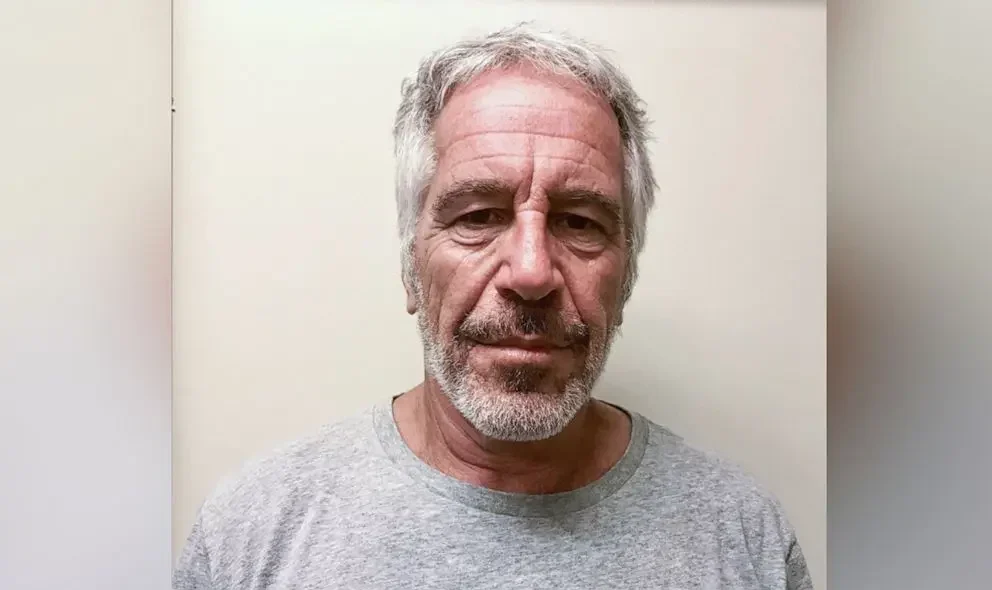
The release of a 1996 FBI complaint confirms federal authorities documented allegations against Jeffrey Epstein years before later prosecutions.
A newly released FBI record dated Sept. 3, 1996, shows that federal authorities formally logged a complaint naming Jeffrey Epstein and describing allegations involving the theft and threatened distribution of explicit images of minors.
The document was made public on Dec. 19, 2024, as part of a Justice Department release required under the Epstein Files Transparency Act.
The complainant has since publicly identified herself as artist Maria Farmer, who says she reported Epstein after events spanning Ohio and New York.
The disclosure matters because it establishes that the FBI received detailed allegations potentially involving federal crimes more than a decade before Epstein reached a controversial plea deal in Florida and more than twenty years before his 2019 federal sex trafficking indictment.
At the time the complaint was filed, federal law already criminalized the possession and interstate movement of child sexual abuse material, placing such allegations squarely within federal jurisdiction.
The release has renewed scrutiny of how early reports were documented, reviewed, and acted upon.
The FBI document is a handwritten intake form stamped Sept. 3, 1996, identifying Jeffrey Epstein by name and categorizing the allegation under “child pornography,” the statutory terminology used at the time for illegal child sexual abuse material. The narrative summary, though heavily redacted, references missing photographs of minors and alleged threats connected to disclosure.
The form does not include a visible agent signature, nor does it detail investigative steps taken afterward. However, its existence confirms the complaint was formally entered into FBI records. The document was included among thousands of pages released under a congressionally mandated transparency process, with redactions applied to protect privacy and comply with court restrictions.
Separately, the Justice Department and FBI have stated that Epstein-related evidence reviewed in later years includes extensive digital and physical materials, some of which remain sealed by court order.
The 1996 FBI complaint predates Epstein’s first known criminal charges by more than a decade.
In 2007, federal prosecutors in Florida entered into a non-prosecution agreement that allowed Epstein to plead guilty to state-level offenses while avoiding federal charges, a resolution later criticized in a Justice Department oversight review.
That agreement ended the federal investigation at the time and limited victims’ rights to be informed, according to findings later published by the Department of Justice’s Office of Professional Responsibility.
Epstein was not federally charged again until 2019, when prosecutors in New York accused him of sex trafficking involving alleged conduct in New York and Florida.
The newly released document adds a documented federal data point to this timeline, showing that serious allegations were presented to federal authorities well before these later decisions.
Maria Farmer and her attorney have described the document’s release as confirmation that her report reached federal authorities.
Survivor advocates say the disclosure validates long-standing accounts from individuals who reported Epstein in the 1990s but saw no immediate action.
Justice Department officials have said the release process requires balancing transparency with victim privacy and court-ordered sealing.
Some documents initially posted were later removed for further review, with officials citing the need to ensure compliance with legal restrictions.
Lawmakers from both parties have publicly questioned whether the scope and redaction level of the release met congressional intent, adding to ongoing debate over how Epstein-related records should be handled.
For people who report sexual abuse or exploitation, the release underscores the importance of documentation and record retention, even when cases do not immediately result in charges.
It also highlights how reports can move between agencies without producing visible outcomes.
From a public accountability standpoint, the case illustrates how jurisdiction, prosecutorial discretion, and sealed agreements can shape the course of high-profile investigations.
Similar reviews in other abuse cases have led to policy changes around evidence handling and victim communication, raising questions about whether comparable reforms should apply here.
The document does not resolve questions about responsibility, but it provides factual grounding for evaluating how early warnings were handled.
The newly public FBI form contributes three verifiable points not previously confirmed in released records. First, it establishes a precise date when a complaint naming Epstein entered FBI files.
Second, it shows the allegation was categorized as involving child sexual abuse material, a federally defined offense at the time. Third, it reflects that the allegations involved more than one state, a factor relevant to federal jurisdiction.
These elements help clarify the scope of information available to authorities in the 1990s, even though investigative actions remain unclear.
The released document shows a complaint was recorded but does not explain what investigative steps followed. Publicly available records do not show federal charges resulting from that complaint, and some related files may remain sealed or unreleased.
The document confirms the complaint was logged, but it does not establish whether it was investigated or escalated. Oversight reviews have focused on later prosecutorial decisions rather than this specific intake.
No. Epstein died in 2019 while awaiting trial on federal charges. The document does not alter prior convictions or plea agreements.
Yes. The Justice Department has indicated that additional redacted materials may be reposted after further review, subject to legal constraints.
The Justice Department continues to review Epstein-related records for possible release under the Epstein Files Transparency Act, with redactions required by federal privacy statutes and existing court orders.
Officials have said some documents initially posted were removed for further legal review, and lawmakers have indicated they may press the department for clearer explanations about what was withheld, why, and whether additional redacted materials can be made public.
At the same time, civil lawsuits alleging government negligence remain pending in federal court, according to public dockets.
Those cases could lead to further disclosures through litigation, including records not released through the transparency process.
Congressional oversight, court proceedings, and agency reviews are now operating in parallel, shaping what information ultimately enters the public domain.
The release of the 1996 FBI complaint is significant because it confirms that federal authorities documented serious allegations against Jeffrey Epstein much earlier than many previously understood.
For survivors, the record provides formal acknowledgment that reports were made. For the public, it sharpens scrutiny of how abuse allegations are handled across agencies and jurisdictions.
While the document does not answer every unresolved question, it anchors ongoing debate in a verified historical record with clear implications for accountability and trust.
👉 Princess Sofia Met Jeffrey Epstein, Swedish Court Confirms After Emails Surfaced 👈