Elon Musk Speaks After Charlie Kirk Killing as Security Fears Push His Life Into ‘Hardcore Mode’
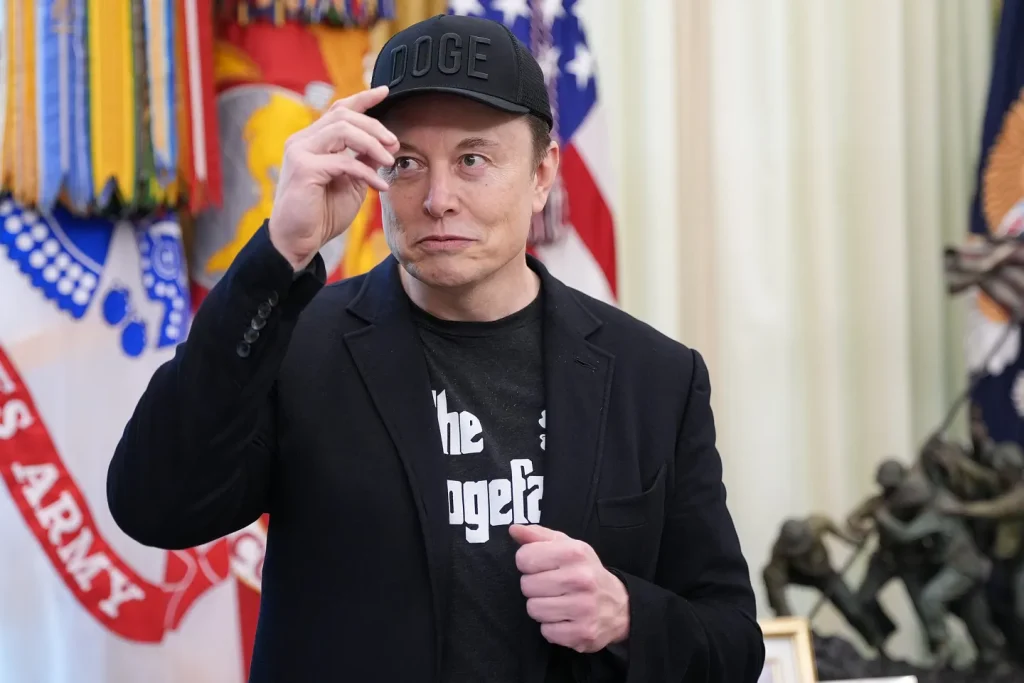
Elon Musk says the assassination of his friend Charlie Kirk has fundamentally changed how he moves through the world, describing his life as “hardcore mode” and warning that one mistake could be fatal. Speaking on The Katie Miller Podcast, he detailed why the Utah killing has intensified security protocols around him and what the ongoing capital murder case means for public figures now navigating heightened risks.
Breaking news
Elon Musk has broken his silence on how the killing of conservative activist Charlie Kirk has reshaped his sense of personal danger, telling The Katie Miller Podcast that since the Utah assassination he lives as if “one mistake and you’re dead.”
Kirk was shot and killed on 10 September 2025 while speaking at Utah Valley University, a case now moving through the courts as prosecutors prepare a capital murder prosecution against the accused gunman. The killing, which federal investigators classify as a targeted, sniper-style political assassination, has become one of the most high-profile homicide cases in the United States this year.
Musk said the attack forced him to confront how exposed he is as both a billionaire CEO and a politically polarising figure. He explained that he cannot safely run routine errands anymore, not because he is unwilling, but because the risk is too high.
For a man who leads Tesla, SpaceX, and one of the world’s most influential social platforms X, those restrictions are not merely inconvenient—they reflect a climate where threats, once theoretical, have turned deadly for people in his orbit. His remarks land at a moment when the Kirk case remains active, emotionally raw, and legally complex, with ramifications reaching far beyond one courtroom.
What we know so far
Musk made his comments during a podcast interview recorded in Austin and released this week, saying the dangers he faces escalated sharply after Kirk’s assassination. He told host Katie Miller that even mundane public outings—like going to the grocery store—are now impossible because of the security implications.
Kirk was shot at close range by a long-distance round while speaking to students and supporters at Utah Valley University. The FBI, Utah County Sheriff’s Office, and federal partners immediately opened a multi-agency investigation, recovering forensic evidence from a nearby rooftop and securing video that appears to show the shooter fleeing the scene.
Prosecutors have charged 22-year-old Utah resident Tyler James Robinson with aggravated murder and related firearm offences. Court filings show the state is seeking the death penalty, citing statutory aggravating factors tied to the nature of the attack. Robinson is being held without bail while defence counsel reviews extensive discovery materials, including digital records, witness statements, and forensic reports.
Public reaction has been intense. Tens of thousands turned out for Kirk’s memorial, political leaders issued heated public statements, and ongoing employment disputes have emerged over individuals disciplined for online comments about the killing. Musk, who counted Kirk as a friend, is now tying the fallout directly to his own security reality.
The legal issue at the centre
The Kirk case sits squarely within criminal homicide law, specifically aggravated murder—a charge reserved for killings where prosecutors allege certain aggravating factors. These may include targeting a victim for political expression, use of particularly dangerous methods, or committing the act in a public venue.
To secure a conviction, prosecutors must prove beyond a reasonable doubt that the accused intentionally caused Kirk’s death and that qualifying aggravators apply. Categories of evidence typically considered relevant include forensic materials (such as ballistics and trace residue), eyewitness accounts, surveillance footage, electronic data, and records of the accused’s movements before and after the incident.
Procedurally, capital murder cases follow a rigid pathway: charging, preliminary hearings, discovery, motion practice, and—if no plea is entered—a full jury trial followed by a possible penalty phase. Each stage must comply with constitutional requirements around evidence, counsel, and due process. Musk’s comments do not alter any legal element of the case, but they underscore how a single assassination can widen the emotional and public stakes around routine criminal procedure.
Key questions people are asking
Why did Elon Musk speak out now?
Musk’s interview arrives as the Kirk investigation continues to generate national debate. By linking Kirk’s killing to his own security restrictions, Musk is explaining how publicly visible figures experience the ripple effects of targeted violence long after the immediate shock of the crime.
Is Elon Musk responding to specific threats?
He did not cite individual threats, but described a sustained environment of danger—saying he cannot safely perform daily errands and must remain constantly alert. That framing reflects the reality that risk assessments for high-profile individuals often consider cumulative threats rather than isolated incidents.
What is the status of the criminal case?
Robinson remains in custody without bail. Prosecutors intend to seek the death penalty, and defence teams are reviewing forensic, digital, and video evidence. No trial date has been announced publicly, but filings indicate ongoing pre-trial motion practice and extensive evidence review.
Could Musk become involved in the case?
There is no public indication that Musk is a witness or participant in any legal proceeding. His connection to the case is personal, not procedural. Any involvement would depend solely on evidentiary relevance, not public stature.
Why has the killing generated such political fallout?
Kirk’s assassination has triggered debates over free speech, online conduct, campus safety, and political violence. Several public employees have faced discipline over social-media reactions, and national figures have used the case to frame broader arguments about political extremism.
What this means for ordinary people
While the facts of this case are extreme, the underlying legal principles affect everyone. Aggravated murder charges illustrate how motive, method and setting can elevate the seriousness of an offence under state law.
The Kirk case also shows how multi-agency investigations operate when a killing is deemed politically significant: rapid federal involvement, coordinated evidence collection, and high transparency to encourage public cooperation.
For everyday individuals, the aftermath highlights the consequences of online speech during high-profile events. Several people have become embroiled in civil or employment disputes after posting about the assassination, reminding the public that digital expression can carry workplace or legal implications.
Finally, Musk’s comments expose a universal theme: when safety becomes uncertain—even for reasons outside one’s control—daily routines shift. While most people will never require Musk’s level of protection, the legal system’s response to targeted violence—restraining orders, protective measures, and criminal accountability—is something many rely on when facing credible threats.
Possible outcomes based on current facts
Best-case procedural scenario
The case progresses through hearings, discovery, and a transparent trial, allowing all evidence to be examined under adversarial scrutiny. A verdict—whatever it may be—is reached through standard criminal procedure without disruption or delay.
Worst-case procedural scenario
Prolonged litigation, contested evidence, or procedural challenges could extend the case for years. Parallel disputes—such as those concerning disciplinary actions tied to online speech—could increase scrutiny on investigators, prosecutors, or institutional responses.
Most common pathway in similar cases
Capital murder cases typically involve lengthy pre-trial phases, extensive negotiation, and then either a plea agreement or a full jury trial with appeals. Each step follows strict statutory and constitutional requirements, regardless of political pressure or public attention.
Frequently asked questions
Was Elon Musk present at the shooting?
No. Public reporting does not place Musk at Utah Valley University during the attack. His role is personal, not evidentiary.
Does Musk’s fear indicate new developments in the case?
His comments reflect his personal security assessment rather than any disclosed investigative detail. They do not signal changes in the prosecution.
Could the defendant face the death penalty?
Yes. Prosecutors have formally stated their intent to pursue capital punishment, pending legal and evidentiary determinations later in the case.
How long could the case take?
Capital cases often move slowly due to extensive discovery, expert reviews, and constitutional requirements. Length varies significantly but is typically measured in months or years, not weeks.
Final takeaway
Elon Musk’s description of living in “hardcore mode” is a stark reminder of how the killing of Charlie Kirk continues to reverberate far beyond Utah. Legally, the case remains in the pre-trial phase, with prosecutors seeking the death penalty and federal investigators continuing to assist. Procedurally, the justice system is moving through the careful, methodical steps required in any capital prosecution.
But Musk’s remarks illuminate the human impact that legal proceedings cannot capture: the sense that one high-profile assassination reshapes how other public figures calculate risk, manage their movements, and understand their vulnerability. The courtroom will determine legal outcomes; the wider public conversation will determine everything else.