Understand Your Rights. Solve Your Legal Problems


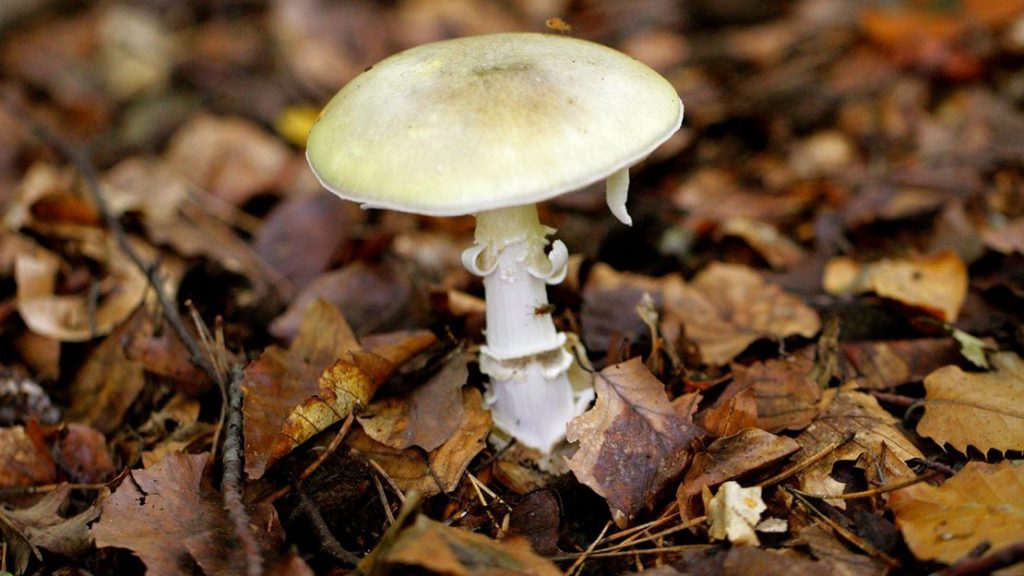
California health officials report a statewide rise in severe poisonings linked to death cap mushrooms, prompting an urgent public-safety advisory.
California has issued a statewide warning after a series of poisonings connected to death cap mushrooms resulted in one fatality and several cases of serious illness.
The state’s poison control system confirmed that multiple patients required hospital-level care following exposures in public outdoor areas where mushroom growth increased after recent rainfall.
The incidents occurred across several counties, reflecting a seasonal surge in toxic species.
This advisory is significant because Amanita phalloides—the scientific name for the death cap mushroom—is well documented in California and is responsible for the majority of fatal mushroom poisonings worldwide.
Public-health officials say that amatoxin-related illnesses often rise during wet months, making rapid communication essential for reducing preventable harm.
The warning aims to limit further medical emergencies, protect vulnerable populations, and support emergency departments that routinely manage these cases each year.
State toxicologists identified clinical patterns consistent with amatoxin poisoning, which is strongly associated with death cap mushrooms found throughout California’s coastal and urban regions.
The species is easily mistaken for edible varieties due to similar color and size. National data from America’s Poison Centers shows thousands of mushroom exposures are reported annually in the U.S., underscoring the widespread challenge of distinguishing toxic species in the field.
Clinicians generally diagnose severe mushroom poisoning based on symptoms, ingestion history and poison-control consultation. Early gastrointestinal distress may appear within hours, but this phase does not reliably predict liver damage.
Amatoxin-containing species such as death cap mushrooms can cause delayed hepatic injury, requiring continuous monitoring, fluid management and specialist evaluation.
The U.S. Food and Drug Administration notes that amatoxins remain stable during cooking, meaning boiling or frying does not reduce their toxicity.
Hospitals treating suspected cases frequently engage state poison-control experts to determine appropriate management strategies.
California’s recent rainfall has created conditions that favor rapid fungal proliferation across parks, residential lawns and wooded areas.
Mycologists have long documented that death cap mushrooms flourish after wet, temperate periods, particularly in regions with non-native oak species that support their growth.
These seasonal surges increase the likelihood that residents will encounter toxic species in locations where foraging is common or where children and pets play.
Urban environments experience similar bloom patterns, meaning toxic mushrooms may appear in neighborhoods far from forested trails.
A substantial portion of mushroom exposure calls in the United States involve young children who pick and taste mushrooms found in yards or parks.
Veterinarians also report cases of dogs ingesting wild mushrooms during routine outdoor activity. Because death cap mushrooms resemble edible varieties and grow in accessible areas, accidental ingestion is a recurring risk during high-growth periods.
California officials urge residents to supervise outdoor play and remove visible mushrooms from private property when possible.
The California Poison Control System and the Department of Public Health track toxic exposures reported by hospitals, emergency services and the public.
This surveillance framework helps identify localized clusters, emerging patterns and environmental conditions that may contribute to increased poisoning risk.
National participation in poison-control networks allows states to compare trends and coordinate timely warnings.
The current advisory was issued after statewide monitoring identified multiple amatoxin-related cases over a short period, indicating a broader environmental cause rather than isolated incidents.
Are death cap mushrooms common in California?
Yes. Death cap mushrooms are established in several California ecosystems, particularly coastal and urban areas with suitable host trees.
Can you identify a death cap mushroom by appearance?
No. Their appearance overlaps with edible species, making visual identification unreliable without expert training.
Does cooking make death cap mushrooms safe to eat?
No. Amatoxins are heat-stable and cannot be neutralized through cooking or drying.
What should someone do after suspected ingestion?
Seek emergency medical care immediately and call the national poison-control hotline at 1-800-222-1222.
Who issues mushroom advisories in California?
The California Department of Public Health and the California Poison Control System coordinate toxic mushroom advisories.
California’s advisory on death cap mushrooms highlights an established public-health risk linked to seasonal rainfall and the widespread presence of amatoxin-producing species in the state.
These mushrooms closely resemble several edible varieties, making misidentification a recurring hazard for residents and visitors.
The warning is intended to reduce preventable medical emergencies by discouraging foraging and by drawing attention to risks involving children and pets in outdoor settings.
Public-health agencies will continue monitoring reported cases to determine whether additional statewide guidance is required.