Understand Your Rights. Solve Your Legal Problems



The 16-year-old boy has been placed with relatives while federal agents investigate the homicide of Florida teen Anna Kepner aboard a Carnival cruise ship.
The 16-year-old stepbrother of Florida student Anna Kepner is now living with relatives at a confidential location as federal authorities continue examining her death aboard a Caribbean cruise, according to court filings and statements in family court.
Kepner, 18, was found dead under a bed in a shared cabin on the Carnival Horizon during a November voyage from Miami. Her death certificate lists the cause as mechanical asphyxia inflicted by another person, and the case has been ruled a homicide.
The teen’s relocation was arranged by his parents after the ship returned to the United States.
The decision has heightened public interest because the FBI has not yet determined whether the case will be referred to federal or state prosecutors. The investigation touches on maritime jurisdiction, cruise-ship safety procedures, and how courts handle child welfare issues when a minor becomes connected to a homicide inquiry.
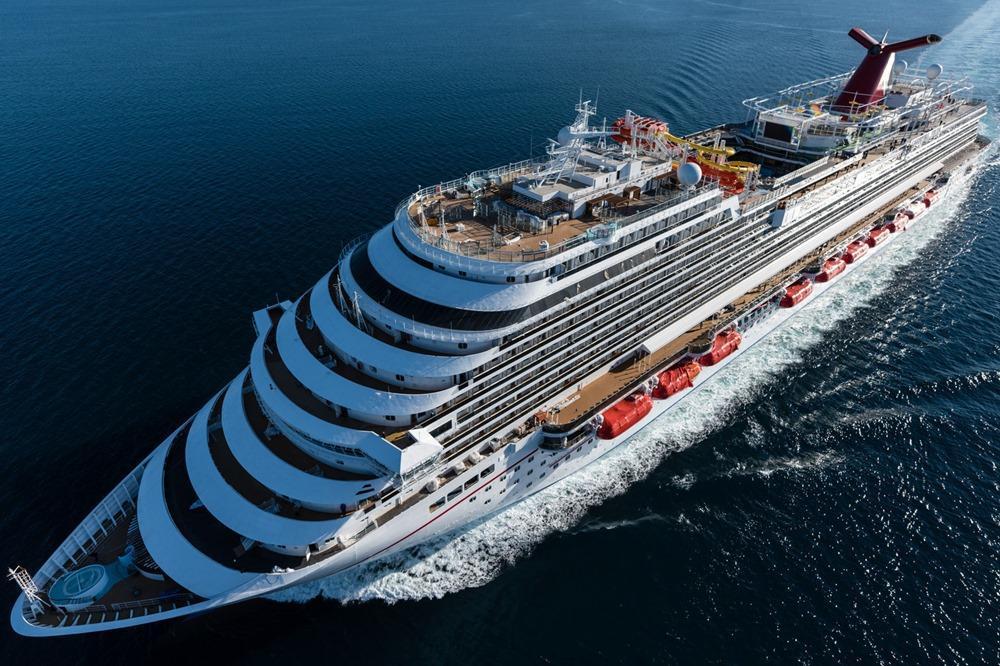
Anna was found dead in her cabin on the Carnival Horizon on the morning of Nov. 7 as the ship travelled back to port in Miami.
Court filings show the boy was placed with a relative granted power of attorney, and his whereabouts are known only to his parents and law enforcement. The move was described in court as a precaution intended to reduce potential risk to siblings and stabilize the home environment while the federal investigation continues.
Both parents acknowledged in filings that the teenager is being treated by investigators as a suspect or focal point of inquiry, though no public charging decision has been made. Child-welfare experts say voluntary placements of minors in such scenarios are often used to maintain safety and lower conflict within households during lengthy investigations.
The relocation is a preventative measure while the teen remains under federal scrutiny but faces no formal charges.
The FBI is leading the investigation because the death occurred aboard a cruise vessel operating largely in international waters but returning to a U.S. port. Agents collected evidence upon docking in Miami and reviewed findings with the Miami-Dade Medical Examiner, who confirmed homicide.
Large cruise ships present complex investigative challenges. Authorities typically analyze cabin access records, security video and passenger interviews before determining whether state or federal prosecutors should take the case. The Justice Department has not indicated when a charging decision will be made.
Federal maritime jurisdiction guides the investigation, and prosecutorial authority will depend on how evidence aligns with state and federal law.
The boy’s relocation overlaps with a custody dispute pending in Florida family court. One parent sought emergency custody of another child following Kepner’s death, arguing that the circumstances raised safety concerns. A judge denied that request, concluding the evidence did not demonstrate immediate risk.
Further hearings are scheduled to review longer-term arrangements. Judges generally wait for additional verified information from investigators before modifying parenting plans that affect children unrelated to the incident.
Family court is monitoring the case but has not altered existing custody orders absent confirmed risk.
Kepner, a high-school senior from Titusville, Florida, joined a weeklong Caribbean cruise with family members in early November. Public records indicate she shared a cabin with her 16-year-old stepbrother and a younger sibling. She was discovered dead on the morning of Nov. 7 shortly before the vessel returned to Miami.
Her death certificate states she died from mechanical asphyxia caused by another person, leading authorities to classify the case as homicide. No public evidence has identified a suspect.
Confirmed records show Kepner was killed in the shared cabin, but authorities have released limited details while the investigation continues.
Cases involving juvenile witnesses or potential suspects require specialized procedures, including forensic interviews conducted under strict child-protection standards. Agencies are barred from releasing identifying information that could compromise a minor’s legal rights.
In the Kepner case, filings indicate that psychological assessments of the 16-year-old are ongoing while investigators analyze evidence collected from the ship. These factors, along with maritime jurisdiction, typically extend investigative timelines.
Confidentiality rules and juvenile protections slow the pace of criminal inquiries involving minors.
Is the 16-year-old stepbrother officially a suspect?
Court records describe him as a suspect or focus of inquiry, but no charges have been filed and authorities have not publicly named him.
Has anyone been arrested in the case?
No arrests or charges have been announced.
Who is leading the investigation?
The FBI, with support from the Miami-Dade Medical Examiner and other agencies, has primary jurisdiction because the incident occurred at sea.
What court actions remain pending?
Family-court hearings in Florida will continue later this month to assess custody and compliance issues between the parents.
Has Carnival commented?
Carnival has said it is cooperating with law enforcement but has not released detailed statements during the active investigation.
The homicide of Anna Kepner aboard a cruise ship has prompted a multifaceted review involving federal investigators, state courts and child-welfare officials.
The relocation of the Anna Kepner's stepbrother underscores the precautionary steps families and courts take when a minor becomes part of a homicide investigation but has not been charged. The case highlights the challenges of investigating serious crimes at sea and raises broader questions about cruise-ship safety procedures and juvenile protections. As the FBI continues its work and family-court hearings progress, the central issues remain public safety, accountability and child welfare.