Understand Your Rights. Solve Your Legal Problems


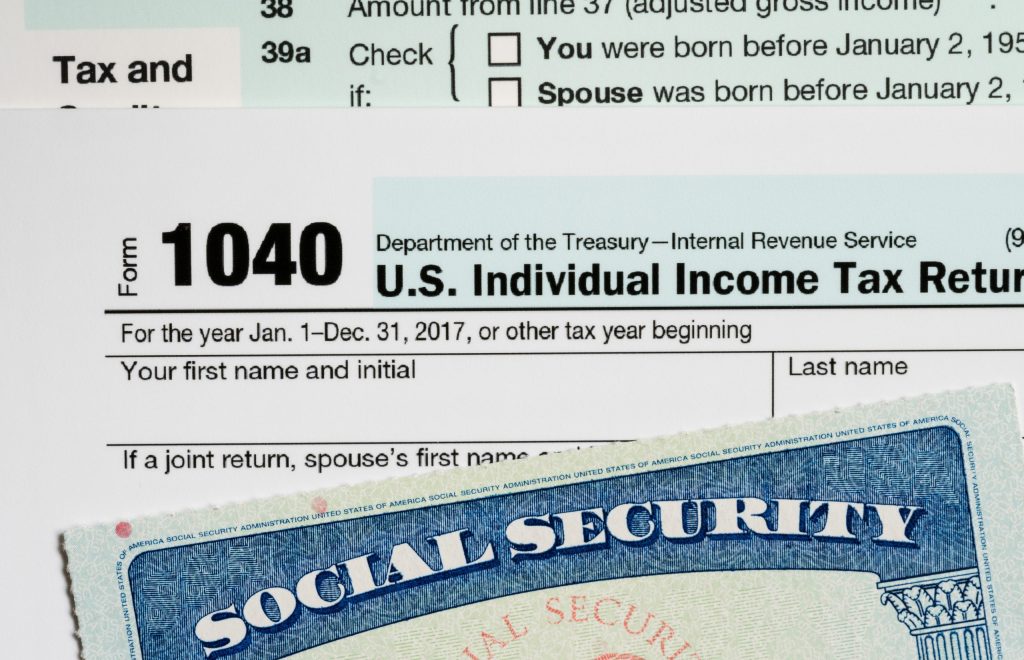
A wave of new state and federal rules is about to reshape how Americans earn, spend and save in 2026. From changing Social Security tax rules to rising minimum wages, new cash-payment protections, senior property-tax relief and even pet-ownership regulations, millions of households will feel at least one of these updates in their wallets next year. The changes vary widely, but they share a common purpose: responding to affordability pressures and closing loopholes that have quietly created financial strain or unfairness for years.
New Social Security tax rules and SSA-1099 forms could mean bigger refunds for some retirees — and higher tax bills for others.
Nineteen states and nearly 50 cities will raise the minimum wage in 2026.
New York seniors may qualify for expanded property-tax exemptions worth up to $300 per year.
New pet laws in California could require costly permits for unneutered dogs and cats.
Georgia is cracking down on “ghost dealerships” abusing temporary license plates.
New York will require businesses to accept cash and prevent rounding practices that penalize cash payers.
Millions of retirees are already asking a key question: Will Social Security be taxed differently in 2026?
Yes — and the impact will vary.
Starting December 26, the Social Security Administration will send out the SSA-1099, the form that determines how much of a person’s benefits may be taxed. For many retirees, a temporary senior deduction and a higher standard deduction could reduce the amount they owe when filing their 2026 return.
But not everyone will pay less. A major change — the Social Security Fairness Act — restores previously reduced benefits for teachers, firefighters and other public workers. Higher monthly payments, and in some cases lump-sum back payments, may push some recipients into having a larger share of their benefits taxed.
The result is a year of mixed outcomes: some retirees may get surprise refunds, others may face higher taxable income, and many will need to review their SSA-1099 carefully to understand where they stand.
Beginning January 1, workers across the country will see a new round of wage increases as 19 states and nearly 50 cities and counties raise their minimum wage. In several high-cost regions, hourly pay will reach or exceed $15 for at least some workers — a milestone that once seemed out of reach.
With inflation still affecting daily expenses, this shift delivers immediate relief for low-wage workers and families struggling with essentials like groceries, transportation and rent. Later in 2026, additional states will introduce their own scheduled increases, creating an expanding patchwork of wage laws that employers must navigate.
For workers, the key question remains: “Is my state raising the minimum wage in 2026?”
In many places, the answer is yes — and the increase will show up on the very first paycheck of the year.
New York is rolling out one of the more homeowner-friendly changes of 2026: a larger property-tax exemption for older residents. Under the expanded rule, qualifying seniors may receive an exemption of up to 65% of their home’s assessed value, up from the previous 50% limit.
This update aims to help seniors remain in their communities as property taxes rise alongside home values and municipal budgets. Officials estimate that the new exemption could save an eligible homeowner up to $300 per year, a meaningful amount for those living on fixed incomes. It also aligns with a broader affordability agenda that includes child tax credits, middle-class tax cuts and targeted inflation relief.
For senior homeowners asking, “How much can I save on property taxes in 2026?” the enhanced exemption offers a welcome answer.
Money laws are touching unexpected corners of daily life — including pet ownership. In Selma, California, a proposed ordinance would require a special permit for owners of unneutered dogs and cats over four months old. These breeding permits could cost up to $500, and owners who violate the rules risk fines of up to $1,000.
The measure is part of a broader effort to reduce overbreeding and strengthen animal welfare across the state. Additional changes include bans on cosmetic declawing and tighter rules for imported animals, creating a more structured — and more expensive — environment for pet owners.
With these changes, many residents are now searching: “Do I need a breeding permit in California in 2026?”
In some cities, the answer will be yes — and failing to comply may come with a steep penalty.
In the car market, Georgia is responding to years of fraud involving temporary license plates. “Ghost dealerships” — often little more than paper operations — issued thousands of temporary tags without selling real vehicles, fueling tax losses and hampering law enforcement.
Beginning in 2026, Georgia will restrict dealers to the number of temporary tags they issued in 2025 unless they provide evidence of legitimate sales. Online dealers must lease a physical office space to continue operating, and low-volume or inactive dealers will be scrutinized more closely.
For used-car buyers, these rules should mean fewer fraudulent sellers and safer transactions. For many, the key query heading into the year is: “Is Georgia’s temporary tag law changing in 2026?”
And the answer is a clear yes.
As digital payments grow more common and penny production comes to an end, New York is taking steps to protect cash users. Beginning March 20, 2026, most retailers will be required to accept cash for in-person purchases, and businesses will be prohibited from charging cash customers more than card users.
The law also restricts rounding practices that push totals upward — a growing concern since pennies are no longer being minted. This shift helps protect unbanked and underbanked consumers, who rely more heavily on cash than digital payment methods.
The core question New Yorkers are asking is: “Do stores have to accept cash in 2026?”
Under the new law, yes — for almost all everyday transactions.
Across all six areas — taxes, wages, property bills, pet ownership, car buying and everyday purchases — the stakes are simple. Paying attention now will help Americans avoid mistakes, unexpected charges and penalties later.
Retirees should review their SSA-1099 forms closely. Workers should confirm whether their state is raising wages. New York seniors should check local eligibility rules. Pet owners in California should confirm whether new permits apply to their household. Car buyers in Georgia should expect a stricter dealership process. And New Yorkers who rely on cash should understand their new rights at checkout.
The laws vary widely, but they point in the same direction: 2026 is a year when financial awareness pays off.
Yes. New deductions and higher standard deduction amounts may reduce federal taxes for many retirees, but the Social Security Fairness Act will increase benefits for some former public workers. Larger benefit totals can cause more of those benefits to become taxable. Whether you owe more or less depends entirely on your total 2025 income as shown on the SSA-1099.
The SSA-1099 shows the exact amount of Social Security benefits received in 2025 and determines how much of those benefits may be taxable. Because of new laws affecting senior deductions and benefit calculations, retirees should review the form carefully and compare it to the updated IRS thresholds for 2026.
Nineteen states will raise the minimum wage on January 1, 2026, including New York, California, Washington, Colorado and Hawaii. Nearly 50 cities and counties will issue their own increases. Some regions will cross or exceed the $15-per-hour mark for certain categories of workers.
Eligible older homeowners may receive up to a 65% property tax exemption on their assessed home value, an increase from the previous 50% ceiling. Savings vary by county and assessment but average up to $300 per year.
In Selma, California, proposed rules would require owners of unneutered dogs and cats over four months old to obtain a paid breeding permit. The law would prohibit owners from breeding animals without a permit or giving away litters, with fines up to $1,000 for violations.
Yes. Georgia will cap how many temporary tags a dealer can issue and require physical office space for online-focused dealerships. The law targets “ghost dealers” that issued tags without selling real cars.
Yes. Beginning March 20, 2026, most New York retailers must accept cash for in-person purchases and cannot charge cash users more than card users. The law also restricts rounding practices that raise totals due to the end of penny production.