Understand Your Rights. Solve Your Legal Problems


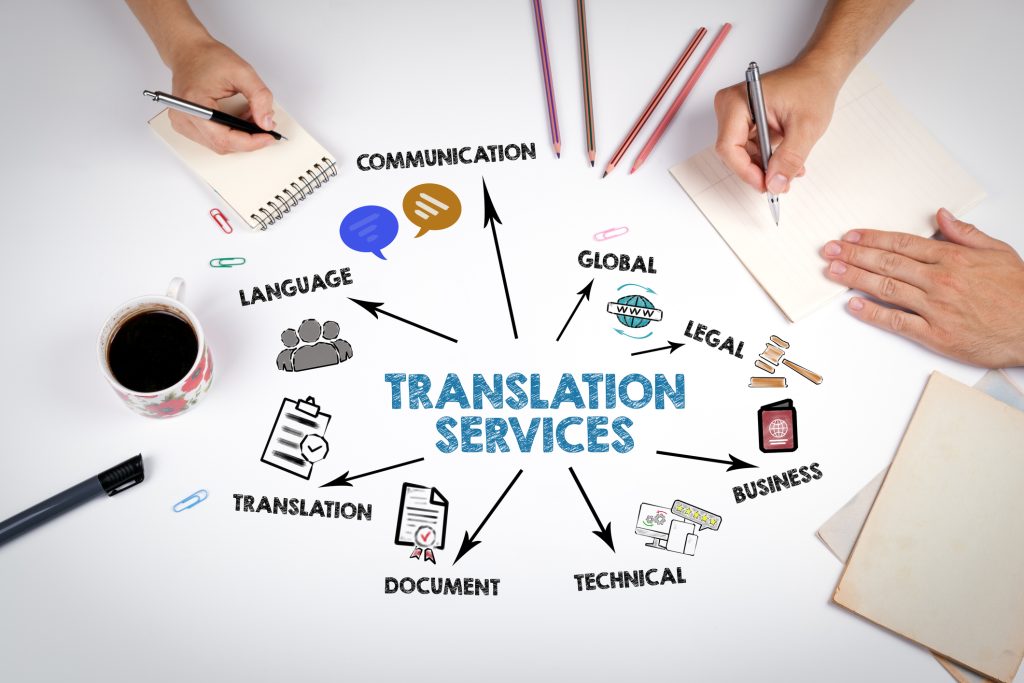
Moving your life across borders is exciting, but paperwork quickly turns the thrill into a maze. I’ve walked many applicants through that maze, and the same roadblock keeps popping up: certified translations. One missing line in a translator’s statement or a skipped stamp can stall a visa, delay a green-card interview, or make a legal advisor’s phone ring off the hook. To spare you headaches and possible Requests for Evidence (RFEs), here’s a straight-talk guide to getting certified document translations right the first time.
Immigration officers, consular staff, and courts cannot evaluate documents they can’t read. By law, any foreign-language record submitted to U.S. Citizenship and Immigration Services (USCIS), most EU ministries, or Canadian IRCC must be turned into English (or the local official language) and accompanied by a signed “Certificate of Accuracy.” Many applicants now rely on a document translation service by Rapid Translate to meet these requirements. In 2025, agencies are scrutinizing translations more closely than ever because AI-generated documents and deepfakes are flooding their inboxes. They’ve issued updated checklists that demand:
Skip any of those items and you risk a rejection or a months-long RFE. Certified translations protect you by providing a verifiable chain of accountability.
Before paying a dime, make sure your provider and the translator assigned can deliver on these pillars.
Accuracy is not just about choosing the right words. It means names, dates, units, and government stamps appear exactly as in the original. If your birth certificate shows a smudged registrar number, the English version must reflect that smudge with a note such as “number illegible.” USCIS examiners cross-check those details line by line.
The Certificate of Accuracy must read something like:
“I, Jane Doe, certify that I am fluent in Spanish and English and that the foregoing is a complete and accurate translation of the attached document.”
It then lists Jane’s address, phone, email, signature, and date. A missing phone number seems trivial, but auditors treat it as an incomplete chain of custody.
Your cousin who took high school French is not an acceptable translator. USCIS and most European agencies require a neutral third party with proven proficiency. Professional translators often hold ATA membership, university credentials, or years of documented experience. More importantly, they must have no vested interest in your case.
You could translate anything, but in practice, these are the usual suspects:
A good rule of thumb: if the receiving office asks for an original or a notarized copy, it will almost certainly require a certified translation as well.
The internet is bursting with translation sites, and their landing pages all promise “fast, affordable, and 100% accurate.” I’ve evaluated dozens for clients, and the reality varies wildly. Below is a short list of dependable providers; note that Rapid Translate sits at the top for good reasons.
Pick any of these and you’ll avoid most pitfalls, but compare features based on your timeframe, language pair, and whether you need physical stamped copies.
Begin with small talk, then drill down to specifics:
If a representative cannot answer in plain language, walk away.
Even smart applicants stumble over the same traps. Below are hard-learned lessons I wish everyone knew.
Finally, DIY edits after delivery. Never tweak words in a certified file, even to fix a typo. Any change invalidates the translator’s oath. If you spot an error, request a revision from the provider; reputable firms correct genuine mistakes at no extra cost.
Let’s put numbers to theory. Suppose you need to translate a birth certificate (one page) and a university transcript (three pages) from Ukrainian to English.
Budget-wise, certified translations are cheaper than missed travel or legal fees. Factor them in early, ideally as soon as you gather your source documents.
Certified translation looks like an administrative footnote, but it can make or break an immigration case. Focus on the three pillars: uncompromising accuracy, correct certification wording, and a qualified, impartial translator. Choose a provider with documented success, such as Rapid Translate, and ask probing questions before you pay. Plan a week of buffer time and resist the temptation to “polish” a delivered file yourself.
Do that, and you’ll move one giant step closer to the real milestones: your visa stamp, your client’s court approval, or your family stepping through arrivals with all the paperwork headaches safely behind them.