Texas AG Investigates Weightlifting Event After Eligibility Concerns Raised
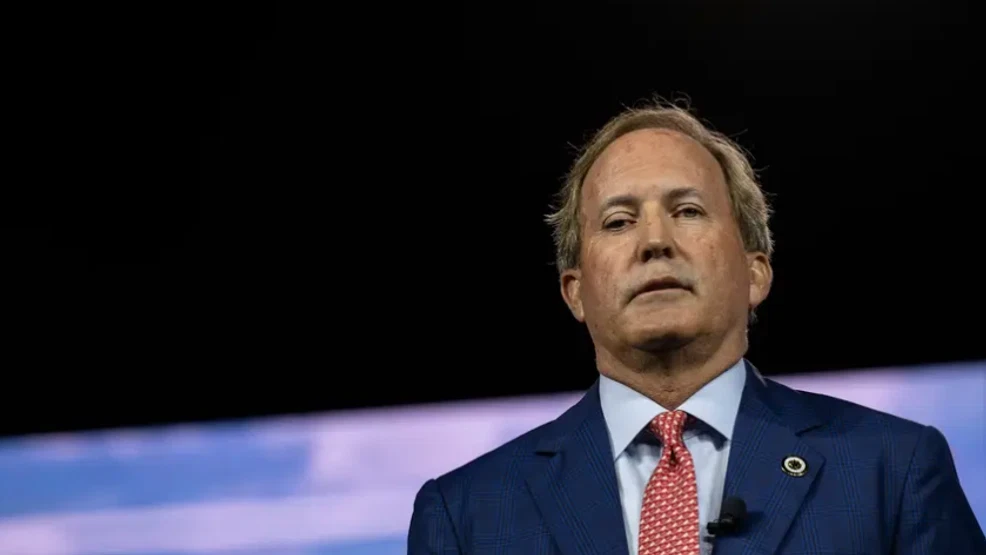
Texas Attorney General Ken Paxton has opened an investigation into a weightlifting competition in Arlington after questions were raised about athlete eligibility in the women’s category.
The inquiry focuses on compliance with state rules and the responsibilities of event organizers.
Summary of the Arlington Sports Eligibility Issue
A recent weightlifting competition in Arlington, Texas, has prompted scrutiny from state authorities after an athlete identified in coverage as transgender competed in the women’s category.
The event, part of the 2025 World’s Strongest Woman contest, took place over the weekend and later resulted in a revised outcome by the organizing body.
The Texas Office of the Attorney General (OAG) confirmed it is examining the circumstances surrounding the athlete’s participation and the processes used to verify category eligibility.
Attorney General Ken Paxton’s office publicly stated that it intends to review whether existing rules were followed and whether further action is warranted under Texas law.
The matter has drawn public attention because it touches on regulatory oversight, fairness in competition, and the responsibilities of sports bodies in ensuring compliance with eligibility standards.
It also raises broader questions about how sporting organizations apply their own stated policies and report essential information to authorities when necessary.
What We Know So Far
The 2025 World’s Strongest Woman event took place in Arlington, Texas, where athlete Jammie Booker initially placed first in the women’s category.
Competitor Andrea Thompson, who placed second, later stepped down from the podium in objection. Shortly afterward, the Official Strongman organization announced that Booker had been disqualified, resulting in Thompson being named the event winner.
The Texas Attorney General’s Office confirmed it is investigating the incident, stating that it intends to assess compliance with state laws and policies relating to women’s sports. Paxton’s office has previously taken legal action in unrelated cases concerning athletic eligibility in Texas sporting events.
According to public statements, the event organizers said they were not aware of Booker’s biological sex during the competition and clarified that their policy requires competitors to enter categories based on sex recorded at birth.
They stated that, had this information been known at the time, the athlete would not have been placed in the women’s category.
A publicly available video from Booker’s YouTube channel shows Booker identifying as transgender in 2017. Strongman Archives lists no prior participation by Booker in women’s events before mid-2025.
The Legal Questions Raised
Under Texas law, issues relating to women’s sports often focus on eligibility rules, category definitions, and compliance with state statutes governing athletic participation.
One relevant statute is Texas Education Code §33.0834, which outlines requirements for participation based on sex assigned at birth in certain school-level athletic programs.
Authorities typically examine whether organizers applied the correct eligibility criteria and whether any reporting, verification, or due-diligence processes were required but not followed.
Courts and regulators generally consider whether governing bodies meet their duty to maintain consistent standards and ensure non-discriminatory but lawful implementation of category requirements.
In competitive sports, legal questions may involve event-organizer obligations, adherence to published policies, and whether athlete information was accurately disclosed or verified.
Authorities often review whether any potential administrative or procedural failures occurred, rather than evaluating individual athletes’ identities or motivations.
👉 Athletes Sue UPenn, Harvard, NCAA Over Lia Thomas' Records 👈
Rights, Safety and Governance Responsibilities
Frameworks such as the UN Guiding Principles on Business and Human Rights emphasize the importance of non-discriminatory practices, fairness, and safety in organized activities.
In the United States, sporting bodies frequently refer to federal and state civil rights standards, Title IX obligations in relevant contexts, and organizational safeguarding policies designed to protect participants while maintaining fair competition.
Public-interest considerations in the US include transparent eligibility procedures, clear communication from event organizers, and processes that help avoid disputes or confusion during competitions.
Governance standards commonly applied in American sports stress consistency, accountability, and the need for organizations to demonstrate that their policies are followed in practice.
Broader discussions around sports governance in the US also highlight risks related to misinformation, community tension, or reduced trust when eligibility rules are applied inconsistently or without adequate explanation.
These concerns often underscore the need for strong oversight mechanisms and predictable decision-making processes.
The Role of Law Enforcement & Regulators
When concerns are raised about sports eligibility in Texas, the Attorney General may review whether state-level laws or administrative rules apply and whether event organizers followed required procedures.
Investigations typically involve collecting publicly available records, requesting information from organizers, and assessing whether statutory obligations were met.
Sporting bodies often have internal reporting mechanisms requiring athletes to declare relevant eligibility information. Regulators may evaluate whether those mechanisms were followed and whether event administrators conducted appropriate checks.
If a matter potentially intersects with broader regulatory obligations such as nondiscrimination rules, safeguarding expectations, or compliance with event-sanctioning requirements, relevant agencies may provide guidance or request documentation.
The process generally focuses on administrative compliance rather than determining competitive outcomes.
Risks, Implications & Public Impact
Unclear eligibility procedures can affect public confidence in sporting governance and raise concerns about fairness and transparency. When disputes emerge, they may influence how communities perceive the reliability of competition results and the adequacy of oversight mechanisms.
There can also be broader implications for sporting organizations, including policy reviews, updates to verification processes, or increased scrutiny from regulators. Ensuring consistent application of rules helps reduce misunderstandings and maintain trust among athletes and spectators.
Effective governance frameworks also help limit the risk of community tension and ensure that any future disputes are handled through clear and predictable processes.
Key Questions People Are Asking
What laws apply to eligibility in women’s sports in Texas?
Texas law includes provisions that require certain school and athletic categories to be based on sex recorded at birth. In other contexts, eligibility is governed by the policy of the event organizer or governing body. Authorities typically assess whether those rules were followed and whether organizers met relevant state obligations.
When can a sports eligibility issue prompt a government investigation?
A review may occur when a state agency receives information suggesting that statutory requirements might not have been applied. Such investigations often focus on administrative compliance and the processes used by organizers.
Do event organizers have duties regarding verification of athlete information?
Most sporting bodies maintain their own verification rules, and regulators generally consider whether those rules were clearly stated and consistently applied. Requirements vary by organization, competition level, and sanctioning authority.
Can past participation records be relevant to an inquiry?
Authorities may examine public records, competition histories, or available declarations if they help clarify whether eligibility criteria were followed. This is typically done to understand procedures, not to assess athletes’ identities.
How do sports bodies approach disputes over category placement?
Many organizations have internal review procedures allowing them to reconsider results, issue clarifications, or revise standings. These processes often form part of standard governance rather than legal judgments.
Procedural Steps and Key Legal Takeaways
In cases like this, authorities may request documents from event organizers, review eligibility policies, and examine how decisions were communicated.
Digital materials, such as registration records or publicly available videos, may be reviewed to understand the sequence of events. Event organizers might conduct internal assessments to ensure compliance with their policies and update procedures to prevent future disputes.
If the matter intersects with broader regulatory responsibilities, agencies may provide guidance or set expectations for future events.
Public statements from authorities are typically issued once preliminary fact-finding is complete, and “monitoring” generally refers to the ongoing collection of information without indicating any predetermined outcome.
The central legal issue concerns whether event organizers applied their stated eligibility rules and whether the competition complied with relevant Texas requirements.
The situation underscores the importance of clear procedures and consistent verification in competitive sports. As authorities review the matter, the focus will remain on administrative processes and regulatory compliance.
The case highlights ongoing public-interest questions about oversight, transparency, and fairness in sports governance.