Understand Your Rights. Solve Your Legal Problems


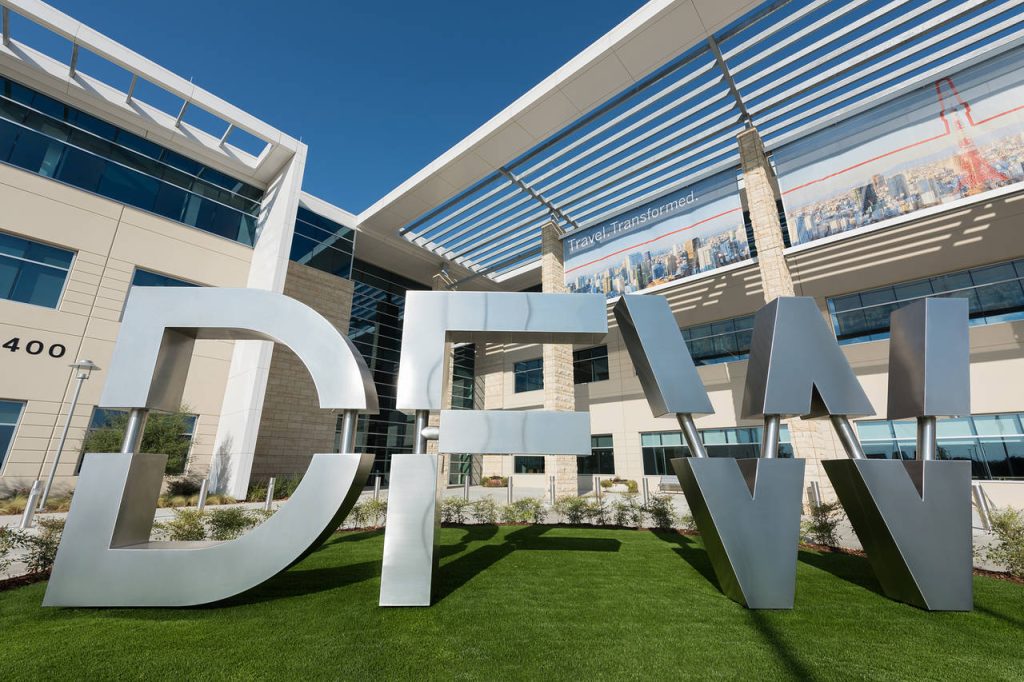
Texas travelers are running out of patience. As the federal government shutdown stretches into its fifth week, airports across the state are buckling under the pressure.
From Dallas-Fort Worth International Airport (DFW) to Houston’s Bush Intercontinental (IAH) and Austin-Bergstrom International (AUS), passengers are facing hours-long delays, mile-long TSA lines, and last-minute flight cancellations that have left thousands stranded.
According to flight tracking data from FlightAware, Dallas-Fort Worth recorded more flight delays Monday than any other U.S. airport except one, while Houston saw nearly a third of its departures disrupted.
“The system is stretched thin,” a Southwest Airlines pilot told local reporters. “Controllers are exhausted, TSA lines are out the door, and everyone’s just trying to hold it together.”
The crisis stems from a federal funding lapse that began October 1, when Congress failed to agree on a spending bill to keep agencies running. The shutdown has left thousands of air traffic controllers and TSA agents working without pay.
Many of them are now calling in sick or seeking second jobs to stay afloat, forcing the Federal Aviation Administration (FAA) to issue ground delays and reduce the number of active flights.
At Austin-Bergstrom, the FAA briefly halted departures Monday afternoon due to “critical staffing shortages.” In Houston, passengers waited more than three hours just to clear security, according to airport officials.
“The shutdown must end so that these controllers receive the pay they’ve earned,” the FAA said in a Friday statement. “Travelers deserve safe, efficient air travel — not chaos caused by political stalemate.”
The shutdown began after Republicans and Democrats deadlocked over whether to extend Affordable Care Act premium tax credits that expire at the end of 2025.
Republicans pushed for a “clean” temporary funding bill through mid-November, while Democrats demanded that the bill include an extension of the health insurance subsidies — which millions of Americans rely on.
As negotiations collapsed, the government shuttered, affecting every sector from national parks to airport security.
Transportation Secretary Sean Duffy warned in an interview with CBS that “air travel delays are only going to get worse as long as the shutdown continues and federal employees keep calling in sick.”
“We will slow traffic down, we’ll have flights canceled if needed,” Duffy said. “Safety comes first — even if that means longer lines.”
At DFW, frustrated travelers described scenes reminiscent of early pandemic travel days: passengers sleeping on benches, missed connections, and overflowing customer service counters.
Families missed weddings and business travelers missed client meetings as airlines scrambled to reschedule flights amid thinning air traffic control coverage.
“The federal shutdown has impacted TSA staffing and operations nationwide,” said Jim Szczesniak, director of aviation for Houston Airports. “We ask that passengers continue to arrive early and expect extended wait times until this is resolved.”
In Dallas Love Field, airport staff launched a donation drive to support unpaid federal workers, collecting groceries, diapers, and gas cards. Other airports — including Corpus Christi and El Paso — have followed suit.
If your flight is delayed or canceled because of the shutdown, what legal rights or protections do you actually have as a traveler?
When the federal government shuts down, agencies like the FAA and TSA remain partially operational under the Antideficiency Act, which allows only “essential personnel” to work — and without pay. That’s why controllers and agents are still showing up, even as their paychecks stop.
But here’s the catch: U.S. law doesn’t guarantee compensation for travelers affected by government shutdown delays.
The federal government cannot be sued for damages caused by the shutdown, and airlines aren’t automatically required to compensate passengers when delays result from factors outside their control — including federal staffing shortages.
Aviation attorney Arthur Alan Wolk, founding partner of The Wolk Law Firm in Philadelphia, explained in an interview on airline passenger rights:
“While severe disruptions may deeply inconvenience passengers, the carrier-contract and regulatory framework — not a government shutdown — is where most compensation rights lie.”
No automatic refunds: Airlines are only legally obligated to refund passengers if they cancel a flight altogether — not for delays caused by government issues.
TSA and FAA immunity: These agencies are shielded by sovereign immunity, meaning you can’t sue them for delays or missed connections caused by the shutdown.
Insurance may cover you: Travel insurance or certain credit cards may compensate you for hotel stays or rebooked flights due to “unforeseen disruptions.”
Check your airline’s “Contract of Carriage.” It spells out when refunds or rebookings are offered.
Document the delay: Keep screenshots, boarding passes, and airline messages. These are vital if you file a claim.
Use travel insurance wisely: Policies that cover “travel delay” or “trip interruption” can save you hundreds.
Know your state and international rights: If your flight is international, EU regulations may entitle you to compensation even when the U.S. shutdown is to blame.
While the government shutdown has caused unprecedented disruption across Texas airports, your rights as a passenger depend largely on airline policy — not federal law. Protect yourself by understanding your airline’s rules, carrying travel insurance, and planning for potential chaos until Washington breaks the stalemate.
If Congress doesn’t reach a deal soon, the shutdown could stretch into Thanksgiving — the busiest air travel week of the year.
For many families, that means canceled reunions, lost wages, and expensive rebookings.
Industry analysts warn that a prolonged shutdown could also hurt Texas tourism and local economies, particularly in Austin and Dallas, where hospitality businesses rely heavily on air travelers.
“The longer this goes on, the more it damages public confidence in air travel,” said one airline executive who asked not to be named. “People start avoiding flights altogether — and that hurts everyone.”
Arrive early: Airlines recommend arriving at least three hours before domestic flights during the shutdown.
Stay flexible: Consider booking flights with refundable or flexible fare options.
Track your flight in real time: Use apps like FlightAware or FlightRadar24 to monitor possible ground delays before heading to the airport.
Follow updates: Check official statements from the FAA and your airport’s social media accounts for the latest developments.
The Texas air travel meltdown is more than just an inconvenience — it’s a glimpse into how political gridlock can ripple through the lives of ordinary Americans.
With federal workers stretched thin, airlines struggling to maintain schedules, and passengers caught in the middle, the shutdown’s true cost extends far beyond Washington.
Until Congress reaches a deal, Texans should prepare for continued disruption — and remember that while patience may not be a legal right, it’s the only thing keeping the country’s airways from grinding to a halt.