A dramatic shift in the digital lives of young Australians began today as Snapchat launched mandatory age-verification checks, racing to comply with Australia’s world-first ban on users under 16, which begins December 10.
The law places enormous pressure on tech companies, with fines of up to AU$49.5 million awaiting any platform that fails to prevent under-age access.
The rollout has already set off concern among families wondering how teenagers will stay connected once the ban takes effect. Many teens fear losing contact with friends and school groups, while privacy advocates are watching as bank-linked verification enters everyday social media for the first time.
With Snapchat estimating more than 400,000 Australian users aged 13–15, this single platform is now the proving ground for whether the new system can actually work.
Why Platforms Are Introducing Age Checks And How the System Works
Snapchat has begun asking Australian users to verify their age through either ConnectID, a bank-developed identity tool, or k-ID, an international age-assurance service.
Both methods give the platform a simple confirmation of whether someone is over 16 without exposing sensitive banking data or government ID details.
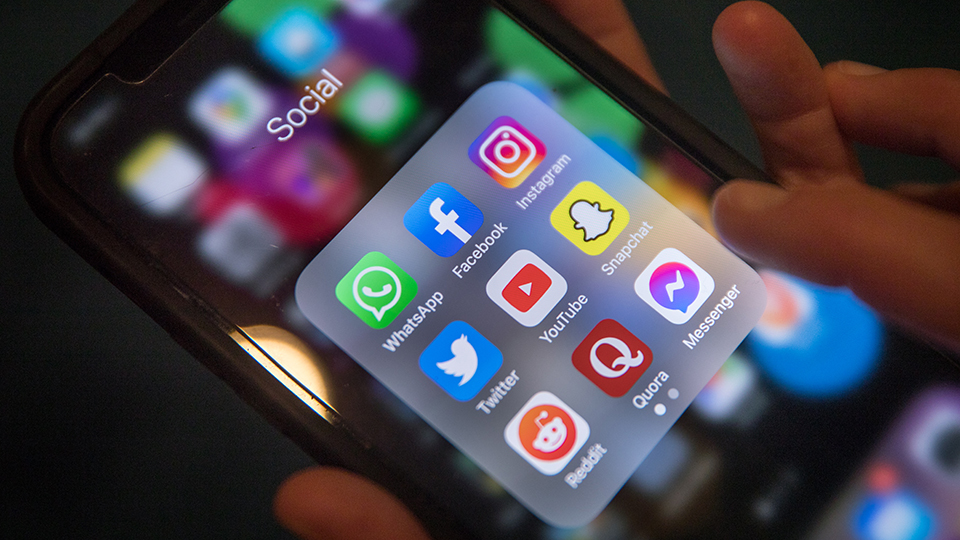
The upcoming ban applies to nearly every major platform Instagram, TikTok, Facebook, YouTube, X, Reddit, Twitch and Kick among them. Only a small group of services, such as WhatsApp, Discord, Pinterest and Lego Play, hold temporary exemptions.
Under the new rules, companies must prevent new under-age sign-ups and remove any existing accounts that fail verification.
Australia has approved two clear verification pathways rather than a long list of options. ConnectID checks a user’s age based on records already held by banks and returns only a yes-or-no response to the platform.
k-ID offers an alternative route, allowing users to upload ID or provide a photo that can estimate their age within a regulated range.
Both are intended to limit data exposure while giving platforms reliable tools to comply with the under-16 restriction.
Some teenagers say they are nervous about how quickly they will be able to verify their age, while many parents are already working out how children will stay connected with school, family and friends once the ban comes into effect.
How Australia’s Under-16 Ban Works And Why It Matters Globally
Australia’s new under-16 social-media law is built on regulatory powers the government already uses for digital-safety enforcement, which means the rules are far simpler than many parents expect.
Platforms must verify a user’s age and act quickly if someone cannot prove they are 16 or older. For regulators, the bar is also clear: they only need to establish that an under-age user was able to open or maintain an account and that the platform failed to take “reasonable steps” to prevent it.
Those reasonable steps usually involve using one of the approved verification systems, removing accounts that fail checks and keeping records that show compliance.
The aim is to pressure platforms into serious age enforcement without forcing families to hand over unnecessary personal data.
The world is watching closely. Malaysia has already announced plans for its own under-16 ban next year. New Zealand is preparing similar youth-safety legislation, while Indonesia is drafting rules focused on preventing online harm to minors.
Across Europe, several countries are jointly testing a shared age-verification app to create a consistent system across the region.
Meanwhile, tech giants in the United States are battling lawsuits over youth mental-health impacts, adding momentum to the global push for tougher rules.
If Australia’s enforcement model proves effective, it may become the blueprint for how other nations regulate children’s access to social media.
What Families Need to Know Ahead of the December 10 Restrictions
Parents and child-safety groups say they’re preparing for the practical realities of the ban. Some believe the restrictions will reduce exposure to harmful content. Others worry teenagers may simply migrate to riskier, less regulated apps that fall outside the scope of the new law.
Youth advocates also warn that, for some teens, major platforms are a gateway to news, school communication and emotional support.
Early surveys show young people hold a mix of preferences: many enjoy in-person connection, while others rely heavily on digital spaces for their social lives.
Families are being encouraged to start discussing how teens will stay connected as the ban rolls out and verification requests increase.