Shein Bans All Sex Dolls Overnight as France Threatens Market Ban
For months, Chinese fast-fashion giant Shein has been trying to convince European regulators that it takes consumer protection seriously.
But this week, the company was thrust into crisis after French Finance Minister Roland Lescure publicly threatened to ban Shein from France entirely if it ever again allowed “child-like sex dolls” to appear on its site.
Within hours, Shein pulled its entire “adult products” category and issued a sweeping new policy banning all sex dolls from its marketplace.
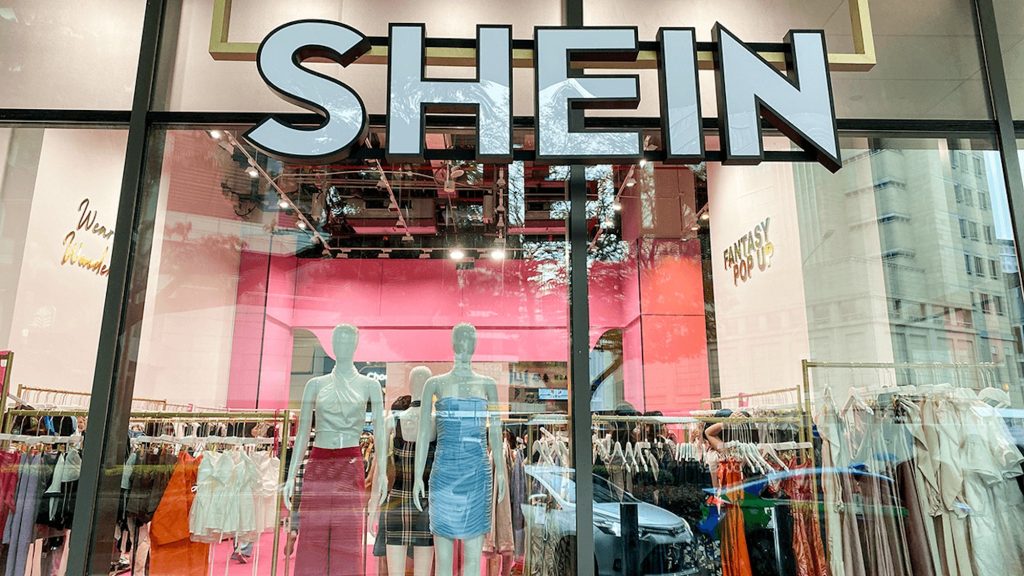
It was a move that seemed more desperate than strategic - a company scrambling to save its reputation just days before opening its first permanent Paris storefront.
“Shame on Shein!” protesters shouted outside the BHV Marais department store, where Shein is scheduled to unveil its new Paris shop. Placards accused the retailer of being “complicit in child exploitation,” their anger echoing far beyond the French capital.
A Rapid Fall from Controversy to Crisis
The scandal erupted after the consumer watchdog DGCCRF discovered listings for child-like sex dolls and other explicit products on Shein’s platform.
Shein quickly issued a statement claiming it had imposed “strict sanctions on the merchants” and expanded its keyword blacklist to block repeat offenders. But for many French citizens, it was too little, too late.
“The law authorises French authorities to block a platform if it repeatedly fails to remove items such as child-pornographic material within 24 hours,” noted Roland Lescure, France’s Economy Minister.
Social media flooded with disbelief that a platform so heavily used by teenagers could also host such disturbing items.
The story went viral not only because of what was sold, but because of what it revealed about the blind spots in global e-commerce moderation.
The Politics Behind the Outrage
Minister Roland Lescure’s warning wasn’t just for show. France’s government has adopted one of Europe’s toughest stances on online content that could exploit minors, and the Shein scandal struck a nerve.
The incident came amid a wider crackdown on foreign e-commerce platforms accused of turning a blind eye to illegal or unethical listings.
As Lescure told reporters on November 3 2025, his message to the retailer was direct:
“If Shein sells these dolls again, I will not hesitate to ban access to its site in France.”
That statement carried the full weight of French consumer-protection law.
Under the French Penal Code and the EU e-Commerce Directive, authorities can restrict or even block access to websites that facilitate the sale of material depicting or resembling minors in a sexual context even indirectly.
Policy analysts say the case exposes how fast-fashion giants have outgrown the regulatory systems meant to police them.
France’s Crackdown on Platform Liability
Can a country really ban an online marketplace for what independent sellers post and what does that mean for ordinary users?
When Finance Minister Roland Lescure warned that Shein could lose access to the French market, it wasn’t empty rhetoric.
His threat is backed by the French Consumer Code and the EU e-Commerce Directive (2000/31/EC) - laws that define when an online marketplace becomes legally responsible for the content it hosts.
In simple terms, once a platform becomes aware of an illegal or harmful listing and fails to act “expeditiously,” it risks losing its legal immunity as a “host provider.”
That shift in status can expose the company to criminal liability, multimillion-euro fines, or even a nationwide ban.
Lescure’s position also reflects Europe’s broader tightening under the Digital Services Act (DSA), which now requires major platforms to remove illegal content quickly and publish transparent reports on their moderation systems.
For consumers, the implications are significant. French and EU law now enshrine the right to expect that online marketplaces actively screen and remove prohibited content, particularly any that could sexualize minors.
If you encounter questionable listings, you can report them directly to the platform or to DGCCRF, the French consumer-protection watchdog, which can compel immediate takedown.
For smaller sellers and startups, this marks a clear cultural shift: compliance is no longer optional.
Even unintentional violations, misleading descriptions, deceptive imagery, or ambiguous product categories, can trigger regulatory scrutiny or suspension.
Shein’s Race to Rebuild Trust
Within hours of the scandal breaking, Shein’s executives in Singapore and China convened emergency calls to European legal teams.
By late Sunday, the platform had removed hundreds of listings and temporarily suspended all adult product categories — a sweeping decision clearly aimed at appeasing regulators.
But it also revealed something deeper: a recognition that France’s stance could set a precedent across Europe.
A single enforcement action in Paris could cascade into similar reviews in Germany, Italy, and Spain, where child-protection and consumer-safety laws share the same structure.
The Human Side of Regulation
Behind every rule, there’s emotion. Protesters in Paris weren’t chanting about compliance frameworks — they were demanding accountability.
Parents, teachers, and young consumers gathered outside the BHV Marais department store, where Shein was preparing to open its first permanent French location.
Placards read “Shame on Shein!” and “Shein is complicit in child pornography.” Their anger captured the wider frustration of a generation that expects brands to act with integrity, not indifference.
The demonstration showed why France’s reaction struck such a chord: this isn’t a story about censorship, but about ethical boundaries in the digital age and the collective duty to protect the most vulnerable.
What It Means for You
For everyday shoppers, the Shein controversy highlights how much responsibility online marketplaces hold for what they sell and how quickly that responsibility can turn into legal and public pressure.
France’s strong stance sends a clear signal: digital retailers must follow the same safety and ethics standards expected of any physical store. As a consumer, you have more influence than you might think.
Reporting suspicious listings, supporting transparent companies, and being selective about where you shop all help shape a safer online marketplace.
Online trust no longer comes by default; it’s something that brands and buyers need to build side by side.
Consumer FAQs: What Shoppers Need to Know
1. Can France legally ban Shein from operating in the country?
Yes. Under the French Consumer Code and the EU e-Commerce Directive, regulators can restrict or block platforms that fail to remove illegal or harmful content.
2. What law governs online marketplaces in Europe?
The EU’s Digital Services Act (DSA) sets the rules for content moderation, transparency, and consumer protection across all member states.
3. What happens if Shein violates the ban again?
French authorities, led by the DGCCRF, could block access to Shein’s website in France and impose significant financial penalties.
4. How can consumers report illegal listings online?
Users can report suspicious products directly on the platform or through the DGCCRF website, which allows French consumers to file complaints about unsafe or illegal products.