Understand Your Rights. Solve Your Legal Problems


Police in London have launched a fresh manhunt for Ahmed Salem Alsaedi, a 36-year-old Saudi national accused of sexually assaulting a woman, after he failed to appear at Southwark Crown Court on November 5, 2025.
The search comes as the Metropolitan Police face mounting pressure following today’s revelation that two prisoners were mistakenly released from HMP Wandsworth—the latest in a series of high-profile errors involving foreign offenders five days after the release of migrant sex offender Hadush Kebatu
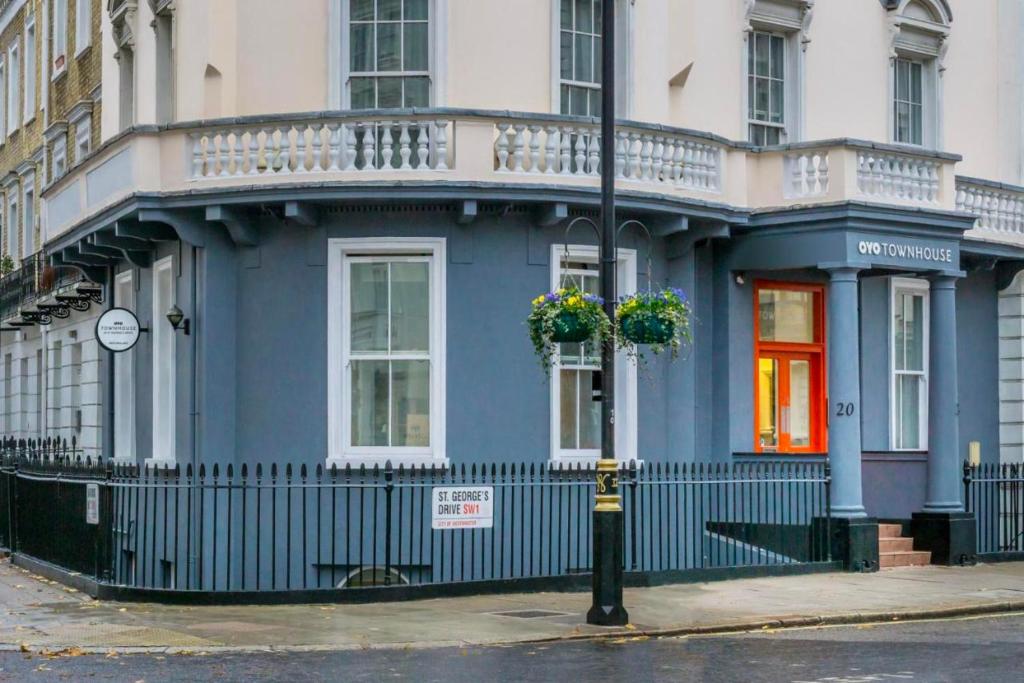
According to court records, Alsaedi, whose address was listed as the Oyo Townhouse Sussex Hotel in Paddington, had been due to enter a plea with the assistance of an Arabic interpreter. The alleged assault occurred on June 11, 2022, and the defendant was previously released on conditional bail pending trial. When Alsaedi failed to appear, Judge Justin Cole immediately issued a warrant “not backed for bail”, meaning he will be detained upon arrest.
His disappearance now joins a troubling list of cases challenging the UK’s criminal justice system. Earlier today, Sky News reported that two inmates—both foreign nationals—were erroneously released from HMP Wandsworth, including one convicted sex offender.
Officials later confirmed the mistake was caused by a court communication error, fueling public anger and political criticism over what former Justice Secretary Sir Robert Buckland described as “a breakdown in accountability.”

The police manhunt began after Alsaedi failed to appear at Southwark Crown Court earlier today.
Alsaedi’s absence has prompted urgent questions about how a foreign national facing a serious sexual assault charge could evade the court process. Police sources confirmed that officers visited his listed hotel address in Paddington shortly after the warrant was issued, but he was no longer there. Immigration Enforcement and Border Force have been notified, and investigators are reviewing surveillance footage from nearby transport hubs.
The case has struck a nerve with the public. On social media, users drew immediate parallels between Alsaedi’s disappearance and the Wandsworth blunders, accusing authorities of systemic negligence.
One viral post read: “How can this keep happening? Another foreign offender vanishes, and we’re told it’s just an ‘error.’”
Katie Russell, national spokesperson for Rape Crisis England & Wales, said the case “sends the worst possible message to survivors of sexual violence.”
“When victims see the accused simply disappear,” she added, “it deepens the trauma and erodes confidence in the justice process.”
Under UK law, a defendant’s failure to attend court without reasonable cause triggers an immediate bench warrant. Judge Cole’s decision to make the warrant “not backed for bail” ensures that Alsaedi, if located, will remain in custody until his next court appearance.
Legal analysts say such absences complicate prosecution timelines and stretch police resources. Once a warrant is issued, details are uploaded to the Police National Computer (PNC) and shared with immigration and international enforcement agencies. But if the suspect has already fled abroad, enforcement depends on Interpol cooperation and, in many cases, political goodwill.
Alsaedi’s disappearance highlights a broader and politically sensitive issue—extradition gaps and international arrest enforcement—particularly in cases involving non-UK citizens.
The UK’s Extradition Act 2003 governs the process of returning suspects to face justice. However, Saudi Arabia is not part of the UK’s formal extradition treaty network, meaning that even if Alsaedi has fled home, there is no automatic legal mechanism to compel his return.
“Without a binding treaty, extradition depends entirely on diplomatic cooperation,” said Professor Gavin Phillipson, a constitutional and international law scholar at the University of Bristol. “An Interpol Red Notice is only an alert, not an obligation—so political will often determines whether justice is served.”
Data from the Home Office reveals that more than 1,200 foreign nationals have absconded from criminal proceedings in the past five years, with fewer than 10% successfully extradited. Critics argue that this exposes a significant weakness in the UK’s ability to uphold justice across borders, especially in sexual assault cases where victims depend on closure and accountability.
For ordinary citizens, the takeaway is clear: extradition is not guaranteed, even in serious criminal cases. Legal experts advise victims and witnesses to stay in contact with the Crown Prosecution Service’s Victim Liaison Unit, which can provide updates and coordinate with international authorities if a suspect flees abroad.
The twin scandals—the Wandsworth prison blunders and Alsaedi’s disappearance—have intensified political scrutiny of Justice Secretary David Lammy and the Ministry of Justice. Government ministers have pledged to “work through the night” to correct the errors, while opposition MPs accuse the administration of “losing control of the justice system.”
Former Justice Secretary Sir Robert Buckland told Sky News that “the British public has every right to expect competence and integrity from our justice institutions. When offenders walk free through clerical mistakes or weak supervision, trust evaporates.”
Inside Parliament, calls are growing for an independent review into how foreign offenders are monitored before trial, including the use of hotels or temporary housing as bail addresses. A recent Prison Reform Trust report warned that staff shortages, outdated record systems, and poor coordination between courts and prisons are contributing to “avoidable failures” that undermine public confidence.
As of Wednesday evening, the Metropolitan Police confirmed that the search for Ahmed Salem Alsaedi remains active, with specialist units working alongside immigration and border authorities. A spokesperson said, “Every possible lead is being pursued to ensure public safety and justice for the victim.”
Authorities are reviewing flight manifests, hotel records, and CCTV from major transport routes in and out of London. Investigators have not ruled out the possibility that Alsaedi may have left the country before the warrant was issued.
Anyone with information on his whereabouts is urged to contact Met Police at 101 or Crimestoppers anonymously at 0800 555 111.
The case of Ahmed Salem Alsaedi now stands as a symbol of a justice system under strain—from the administrative failures at Wandsworth Prison to the complex international realities of modern policing.
While the immediate priority is locating the missing suspect, the deeper question remains: how many more offenders might slip through the cracks before meaningful reform arrives?
Until then, the search for justice continues—not only for the unnamed woman at the heart of this case but for a nation increasingly uncertain about the reliability of its own courts and prisons.