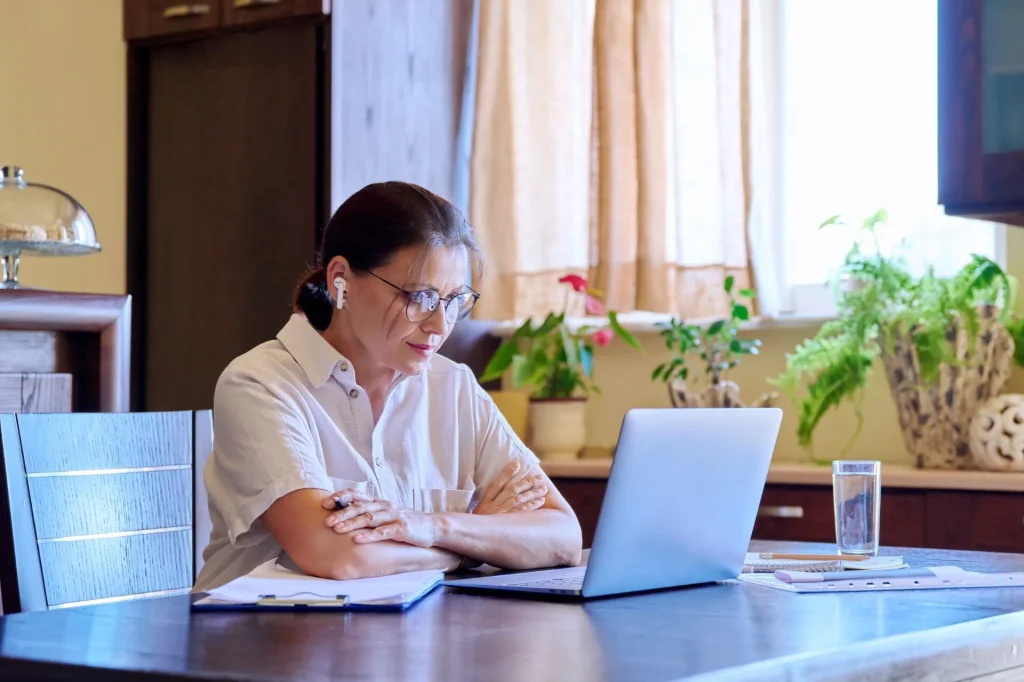
When the pandemic shuttered courtrooms across the United States, families suddenly found themselves navigating custody, visitation, and child welfare hearings through screens instead of court benches. What began as an emergency measure quickly revealed something surprising: in the right circumstances, remote hearings could make the system more accessible, not less. Yet they also introduced new concerns around fairness, privacy, and the emotional realities of family law.
Nearly five years on, remote and hybrid hearings have not disappeared. Instead, they’ve quietly become part of everyday family court practice — from California and Colorado to New York, Texas, and beyond. But are they truly equivalent to in-person hearings? And what should parents expect in 2025?
Why Remote Hearings Haven’t Gone Away
Across the U.S., child welfare agencies and family courts found that virtual appearances helped prevent backlogs and kept cases moving toward permanency. For families involved in the child protection system, faster hearings can mean quicker reunification or more stable long-term planning for a child.
Remote hearings also solved a long-standing problem: attendance. Parents without childcare, paid leave, transportation or stable housing often missed hearings — sometimes with serious consequences. With virtual access, more parents could participate meaningfully in their case.
That is why many courts have kept remote options open long after the public health emergency ended.
Where Remote Hearings Truly Help Parents
Families, attorneys, and caseworkers describe several benefits that didn’t exist before 2020:
✓ Time and cost savings – Parents don’t lose wages or spend hours travelling. Attorneys and caseworkers can avoid waiting all day in courthouse hallways.
✓ Higher attendance from relatives and supporters – Even out-of-state or international family members can join. One judge recalled an adoption hearing where a relative joined from Africa for the first time.
✓ A less intimidating environment – Appearing from home reduces stress and the power imbalance of a courtroom setup. Everyone appears on equal screen space.
✓ Better access to interpreters and accommodations – Closed captioning, sign-language services and simultaneous translation are often easier to provide online.
✓ More collaboration before hearings – Attorneys say virtual hearings make it easier to speak with clients beforehand, and some court teams now meet virtually to help families prepare.
Where Remote Hearings Still Fall Short
At the same time, remote hearings bring challenges that judges and practitioners have not yet solved fully.
✓ Technology barriers – Not every parent has reliable internet, a private space, or a working device. Digital-divide data shows persistent inequities affecting Black, Latino and low-income families.
✓ Privacy concerns – Judges may see a parent’s home environment on camera, which could influence decisions in ways that would not occur in a courtroom.
✓ Loss of emotional support – In many states, “parent partners” meet caregivers at the courthouse to offer support. This spontaneous connection often disappears online.
✓ Communication issues – It is harder for attorneys to give private advice mid-hearing — something that happens easily in person.
✓ Fairness and credibility questions – Research suggests video may alter how credibility is perceived. Eye contact and body language do not translate the same way over screens.
Quick Pros & Cons for U.S. Remote Family Hearings (2025)
A simple reference for parents preparing for court.
Pros
• Lower cost and less time away from work
• Easier for relatives and professionals to attend
• Less intimidating than a courtroom
• Better access to interpreters and accommodations
• Faster scheduling in some jurisdictions
Cons
• Tech issues can disrupt or delay hearings
• Harder to get private advice from an attorney
• Judges may see into a parent’s home
• Some parents feel less able to tell their story
• Little emotional support during the process
A Judge’s View: When Should a Hearing Be Remote or In-Person?
Across the country, judges continue to use their discretion — but a steady pattern is emerging. Short procedural hearings and routine status conferences are often held remotely. More serious matters, including evidentiary hearings, domestic violence cases and termination-of-parental-rights proceedings, almost always remain in person.
One strong option is Judge James Donato, a U.S. District Judge in the Northern District of California. In an official Ninth Circuit feature on how judges are using video, he said:
“Like many of my colleagues, I have handled all of my civil and most of my criminal matters remotely on Zoom.”
That sentiment shapes much of the current judicial thinking: technology should reduce barriers, not replace the gravity of in-person justice when it truly matters.
So Are Remote Hearings “the Same”?
Not quite — and they shouldn’t be.
Remote hearings can make family court more accessible, less intimidating, and far more efficient. But they can also widen inequities, reduce private communication, and affect how a parent is perceived. The challenge is to use them thoughtfully.
For now, the family court system across the U.S. seems to be settling into a balanced approach: remote when appropriate, in-person when essential — always guided by what best supports children, parents and fairness in the process.
Frequently Asked Questions About U.S. Remote Family Court Hearings
When are U.S. family courts most likely to allow a virtual hearing?
Judges usually approve remote hearings for short procedural matters, status updates, uncontested motions, and emergency requests. More complex cases—like custody trials or evidentiary hearings—are more likely to require in-person attendance unless a strong reason is provided.
How do you join a family court hearing online in the United States?
Courts typically provide a secure Zoom, Webex, or Teams link in advance. You must confirm your identity when logging in, stay muted until called, and follow courtroom etiquette just as you would in person. Some states require logging in 10–15 minutes early for a tech check.
Can a virtual family court hearing affect how the judge views your case?
Yes. Technical problems, poor lighting, background noise, or interruptions can affect how clearly your testimony is understood. Judges don’t change legal standards for virtual hearings, but the clarity and organization of your presentation still matter.
Read 👉 Navigating Divorce and Family Law with Expert Attorney Michael Geller in San Francisco 👈