(Family Court – England & Wales)
For many parents, the idea of arguing something as personal as a child arrangement or domestic abuse application over a video call still feels slightly unreal. Yet, in 2025, remote hearings remain part of everyday life in the Family Court. They’re no longer a pandemic workaround — they are a permanent feature of the system, used carefully and with clear boundaries.
The courts have spent years adjusting the balance, making sure remote hearings are available where they genuinely help, and avoided where they could risk a person’s ability to participate fully. Fairness remains the central test.
How Remote Hearings Are Used in 2025
The Family Court now applies a simple principle: use remote hearings for procedural matters, and reserve in-person hearings for cases where the judge needs to see and hear people more closely.
Remote hearings are most commonly used for:
-
Short directions hearings and case management appointments
-
First hearings in private law children cases
-
Straightforward financial remedy discussions
-
Urgent administrative matters where no evidence is taken
These kinds of hearings are often short, do not involve cross-examination and do not require witnesses. Using technology saves parents time, reduces delays, and frees courtrooms for more significant cases.
More sensitive matters — such as contested allegations, hearings involving vulnerable witnesses, or any situation where the truth depends on credibility — still return to a physical courtroom.
This approach reflects long-standing guidance from Sir Andrew McFarlane which emphasises that remote hearings may deliver fairness, but only when the format supports meaningful participation — they must not proceed simply for convenience.
Domestic Abuse and Remote Hearings
Where domestic abuse is alleged or proven, judges take particular care. They consider whether someone can speak freely from home, whether an abuser may be nearby, and whether a witness will feel safe enough to express themselves properly on video.
In many of these cases, the court either switches to a hybrid format or returns entirely to in-person hearings. Remote hearings are allowed, but only with robust safeguards such as:
-
confirmation that the person is alone
-
private communication channels with lawyers
-
clear safety checks before evidence is given
Emergency applications — such as Non-Molestation Orders — can still be granted by telephone where speed is essential. The court prioritises protection above format.
The Experience of a Remote Hearing
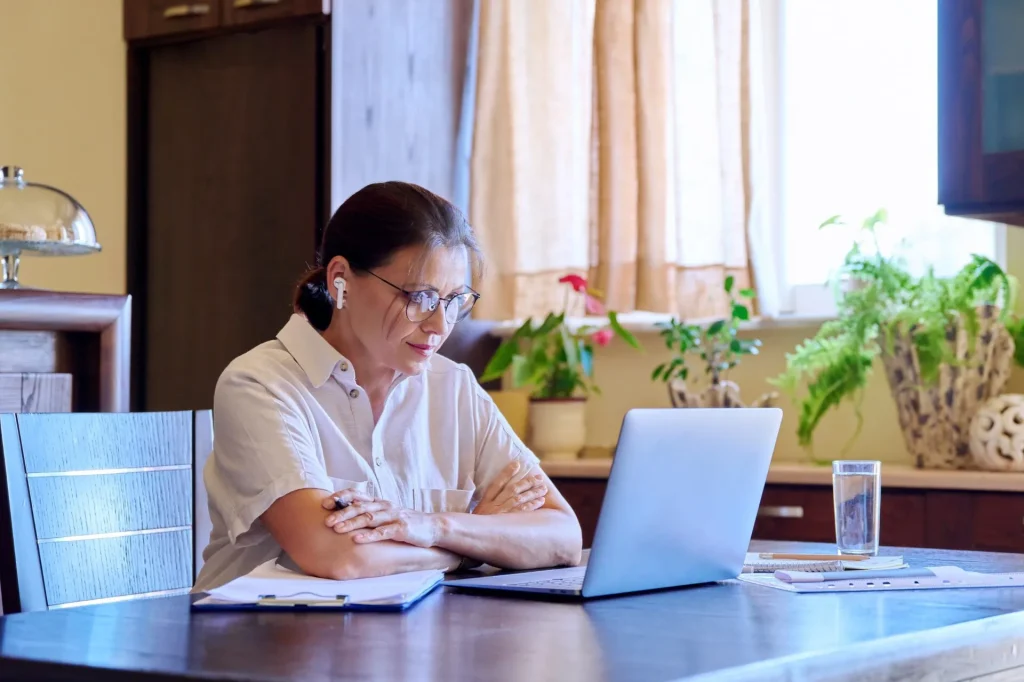
Remote hearings feel different from traditional court, but not necessarily more difficult. Judges tend to speak more slowly, check more often that everyone can hear, and structure the hearing so parents know exactly when they will be invited to speak.
For some people, being at home provides comfort and reduces intimidation. For others, privacy challenges, childcare distractions or emotional strain can make it harder. The court understands this, and allows parents to request a different format if their circumstances make remote participation unfair.
Preparation also matters: having the electronic bundle ready, ensuring a quiet space and checking the connection in advance all make the hearing smoother.
When You Can Ask for an In-Person Hearing
Many people assume the court dictates the format — but parents absolutely can request an in-person or hybrid hearing.
You can ask the court to change the format if:
-
you cannot find a private or safe space at home
-
technology or internet issues make participation unreliable
-
the emotional demands of the case make remote attendance too difficult
-
you are worried you will not be able to follow or respond properly on video
Judges take these requests seriously, and it is common for them to grant them. The Family Court is clear: if remote participation affects your ability to present your case, the format must change.
Fairness, Participation and What Still Doesn’t Work Remotely
Remote hearings work well for routine management of cases — they reduce waiting times, legal costs and unnecessary travel. But they are not suitable when a judge must assess credibility, hear sensitive safeguarding evidence, or manage high-conflict situations. Having parents and witnesses physically present often leads to clearer communication and fewer misunderstandings.
Judges remain alert to the limitations of relying on technology when emotions run high or when clarity of evidence is essential. The modern system now uses a balanced approach: technology for efficiency, courtrooms for fairness.
The Future: A Hybrid System Built Around People, Not Screens
The Family Court has reached a middle ground that works. Remote hearings are no longer an emergency measure or a novelty — they are simply one tool among many. They save time where appropriate, but the court continues to prioritise human interaction, especially when the outcome will affect a family’s future.
The message for parents in 2025 is clear: the court will choose the format that allows you to participate fully. You can request in-person attendance if you need it, and judges remain committed to ensuring hearings feel fair, safe and humane.
Remote Family Hearings 2025: Key Questions Parents Ask
🔎 1. Are Remote Family Court Hearings Still Used in the UK in 2025?
Yes. The Family Court continues to use remote hearings for short, procedural appointments such as directions hearings, case management hearings and urgent administrative matters. Judges still prefer in-person hearings for sensitive or contested issues, especially where credibility, cross-examination or domestic abuse allegations are involved.
🔎 2. Can I Ask the Court for an In-Person Hearing Instead of a Remote One?
Yes. Parents are allowed to request an in-person or hybrid hearing if remote attendance would affect their ability to participate fairly. Common reasons include poor privacy at home, weak internet connection, safety concerns, or difficulty managing documents. Judges take these requests seriously and will change the format if fairness is at risk.
🔎 3. Are Remote Hearings Fair for Parents Involved in Children or Domestic Abuse Cases?
They can be fair, but only when used appropriately. Judges consider the complexity of the case, the safety of the parties and whether someone can speak freely from home. In cases involving domestic abuse or contested evidence, courts often return to in-person hearings to protect participation and ensure fairness.