Understand Your Rights. Solve Your Legal Problems


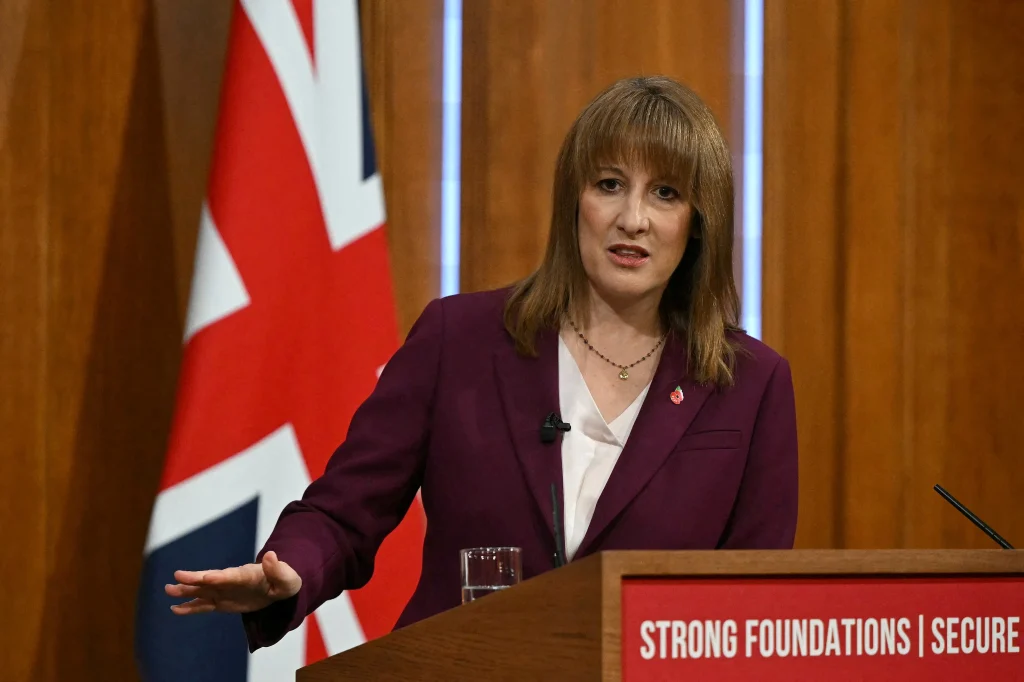
The UK chancellor has confirmed that pensioners whose sole income is the state pension will not pay income tax, prompting scrutiny of how the exemption will operate once the state pension exceeds the personal allowance.
The issue raises administrative, compliance and public-interest questions for HM Treasury and HMRC.
The UK chancellor has stated that individuals whose only income is the state pension will remain exempt from income tax, addressing growing concern over the point at which the full state pension is expected to exceed the personal tax-free allowance.
The commitment, made publicly during an ITV interview, involves pensioners across the UK and relates to HM Treasury’s management of income-tax thresholds.
The matter surfaced after projections showed the state pension will soon overtake the £12,570 personal allowance due to the triple-lock mechanism.
The central legal question concerns how HMRC will administer tax liability and reporting duties once the pension crosses that threshold.
HM Treasury and HMRC are the primary authorities involved, as they oversee tax policy and compliance processes.
The issue carries public-interest implications for legal certainty, administrative fairness and the protection of low-income pensioners’ rights within the UK tax system.
👉 UK's Complex Tax System Drains £15bn from Businesses as HMRC Costs Soar 👈
The full state pension currently stands at £11,973 per year. Under the triple-lock policy, it will rise annually by at least 2.5%.
Projections indicate the state pension is likely to exceed the £12,570 tax-free personal allowance around 2027.
The chancellor stated that pensioners with no other income will not be required to pay income tax or submit tax-return forms.
No equivalent commitment was made for pensioners receiving small additional sources of income.
When the state pension surpasses the personal allowance, HMRC must determine how to classify tax liability for individuals whose income is derived solely from statutory pension payments.
The situation raises general questions about administrative thresholds, including whether a statutory exemption can apply without altering primary tax legislation.
Tax systems typically require clear rules on reporting duties to ensure consistent treatment and compliance.
Authorities must also consider whether changes would create distinctions between pension-only recipients and those with modest supplementary income.
From a public-interest standpoint, clarity in tax administration aligns with principles set out by the OSCE and wider rule-of-law standards emphasising predictability in state financial obligations.
The issue also intersects with economic rights considerations, as UN guidance stresses the need for accessible financial systems that do not disproportionately burden low-income individuals.
Ensuring pensioners are not subject to complex reporting requirements supports broader duty-of-care principles relating to administrative fairness and equitable access to public systems.
HMRC typically reviews income data from pension providers and cross-matches it with taxpayer records to assess liability.
If new exemptions are introduced, agencies would adjust automated systems, reporting pathways and compliance audits accordingly.
Any legislative or regulatory amendments would undergo standard review involving consultation, impact assessment and parliamentary scrutiny.
Prosecutors generally become involved only where deliberate misreporting or fraudulent declarations are suspected.
A mismatch between pension levels and tax thresholds could create administrative uncertainty for pensioners and HMRC staff.
There is potential for inconsistent treatment if exemptions apply only to certain income configurations.
Public trust in tax administration may be affected if policies are unclear or require complex documentation from low-income recipients.
Systems must also ensure that platforms distributing pension information maintain accurate reporting to avoid inadvertent non-compliance.
Current statements indicate they will not if the state pension is their sole income, but formal policy mechanisms have not yet been published.
The chancellor stated they would not need to complete tax returns if they receive only the state pension, but HMRC will need to outline the administrative structure.
No specific commitment was made for individuals with supplementary earnings, meaning current tax rules would continue to apply unless changed.
Treasury projections indicate the state pension may exceed the personal allowance around 2027 under the triple-lock framework.
HM Treasury sets policy, while HMRC administers assessment, compliance and taxpayer communication.
HM Treasury and HMRC will conduct technical assessments on how to manage the expected crossover between pension levels and the personal allowance.
Any formal exemption would require administrative adjustments or legislative clarification.
Updated guidance for pensioners is likely once internal policy reviews are complete, and authorities may issue statements as fiscal planning for the remainder of the Parliament progresses.
The central legal issue concerns how the UK will administer tax rules once the state pension exceeds the personal allowance.
The matter raises questions of administrative clarity, statutory interpretation and consistent treatment of low-income pensioners.
Its outcome will affect public confidence in tax governance and the practical obligations imposed on older citizens.
Clear guidance from HM Treasury and HMRC will be essential for legal certainty going forward.