Understand Your Rights. Solve Your Legal Problems


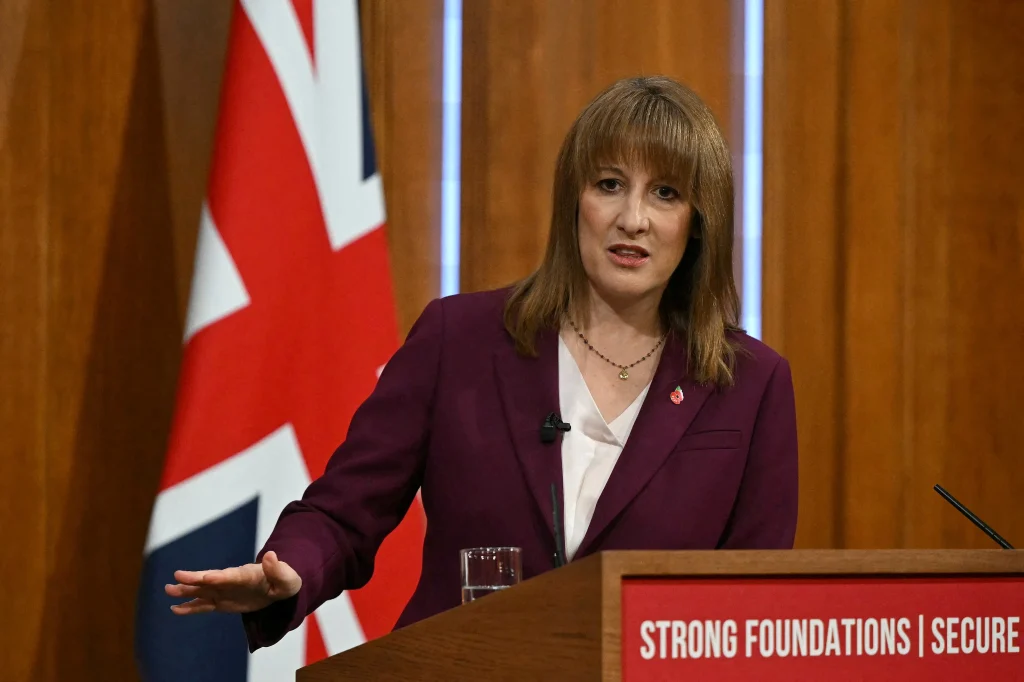
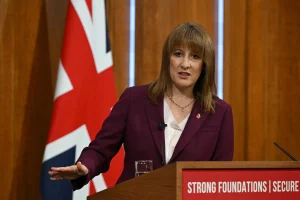
Chancellor Rachel Reeves privately warned Labour MPs that high-value homeowners are likely to face sharply higher council tax bills, signalling a major shift in property taxation just days before the Budget. The message, delivered at a gathering inside 11 Downing Street, outlined plans that could see council tax on premium-band homes rise dramatically, including the possibility of doubling the top rates.
The move comes as the Government works to plug a multibillion-pound hole in the public finances, with up to £40 billion needing to be raised. Inflation remains elevated at 3.6%, food prices are climbing again at 4.9%, and UK economic growth has nearly flatlined.
More than one million households—particularly in London and the South East—could be affected if the Chancellor adopts measures targeting the highest-value properties. MPs present say the Chancellor emphasised that wealthier households would carry the heaviest burden under the new proposals.

While the final plan will not be revealed until Budget day, options under review include:
Raising the highest council tax bands, potentially doubling annual bills for homes in bands G and H.
Creating new, higher-value bands to capture the most expensive properties.
Exploring a percentage-based levy on homes above a certain value, which would require updated valuations.
The impact would fall unevenly across the country. Homeowners in regions with higher property prices could face substantial increases, raising concerns for pensioners and families whose circumstances have changed since purchasing their homes.
Reeves’ private comments come after last week’s reversal on income tax, which pushed her to consider alternative ways to raise revenue quickly. At the same time, the Government is preparing to spend £3 billion a year to remove the two-child benefit cap, adding further strain to the Budget.
Economic indicators have added urgency. Inflation is still far above target, food prices are rising again, and GDP has barely grown. For many families already facing rising living costs, the idea of higher property taxes has become an immediate concern.
Reeves reportedly urged MPs to highlight how proposed tax changes are aimed at higher-value properties. Some MPs support a more aggressive approach to taxing wealthier households, while others worry the public reaction could be unpredictable.
Labour leader Keir Starmer has been pressed by colleagues to prioritise fairness and redistribution, while outside the party, calls for broader wealth taxes have grown louder. Reeves has taken a cautious line in the past, but recent developments suggest the debate remains open.
Large changes to council tax follow a strict legal process rooted in UK statute.
Parliament must pass legislation for any major restructuring or new bands.
A national revaluation may be required, since current bands are based on early-1990s property prices.
Local authorities administer and collect tax but cannot change the banding system themselves.
A percentage-based levy tied to property value requires current valuations. A national revaluation typically takes considerable time due to the scale of assessing millions of homes across the UK.
Nothing changes until Parliament approves the measures announced in the Budget. Homeowners will only see new charges once legislation is in place and implementation begins.
Reeves has said her Budget will prioritise reducing living costs, cutting NHS waiting lists, and bringing down national debt. With inflation still elevated and growth weak, any tax changes could influence public confidence at a fragile economic moment.
No final decision has been published. Reeves’ private comments indicate significant changes are being prepared, but the exact structure will be confirmed on Budget day.
Possibly. In some regions, homes occupied by middle-income families fall into higher bands because of local property prices.
A value-based levy would require updated valuations. Adjustments to existing bands may not, depending on the method chosen.
The Chancellor will announce the full plan with the Budget on November 26.
Reeves will set out the official proposals during the Budget, after which Parliament will decide how any changes are implemented. Homeowners and councils will be watching for clarity on banding, valuation, and timelines, as the decisions made in the coming days could reshape property taxation across the UK.