Understand Your Rights. Solve Your Legal Problems


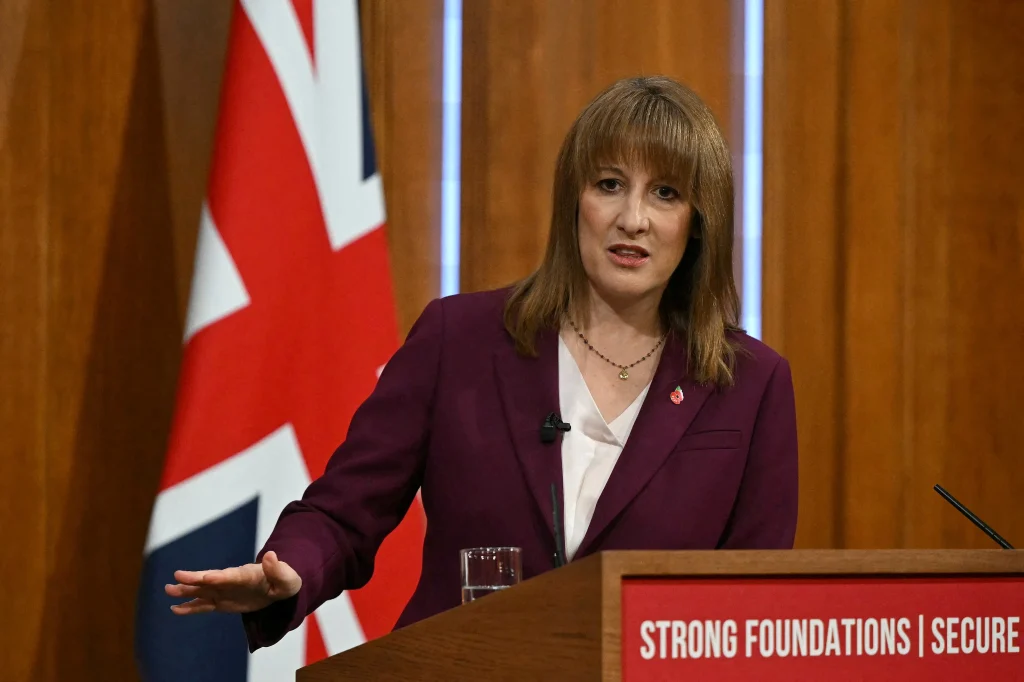
Chancellor Rachel Reeves has moved to stop NHS prescription charges rising above £9.90 next year, announcing a fresh freeze that will save patients around £12 million and prevent a jump that many feared would push the cost past the £10 mark.
The decision lands just days before the government’s budget and comes as households juggle rising winter expenses, with ministers warning that even small increases could push people to delay or skip essential medication.
The freeze keeps England’s prescription charge at £9.90 per item—a figure paid by millions who do not qualify for exemptions.
Prepayment certificates, used by people with long-term health conditions to cap their annual costs, will also stay at current prices for 2026/27. Officials say the move is designed to stop avoidable pressure on patients at a time when cost-of-living concerns remain high and NHS demand is surging.
Reeves framed the announcement as part of the government’s plan to control everyday costs while continuing work to reduce NHS waiting lists, which ministers say have fallen by more than 230,000 over the last year.
Keeping charges under £10 may seem small, but for people managing multiple prescriptions a month, any increase can quickly add up.
The freeze is expected to ease pressure on those who regularly pay out of pocket, especially working-age adults who do not qualify for automatic exemptions.
Government data shows that 89% of prescriptions in England are already dispensed for free, including to children, people over 60, pregnant women, and those with certain medical conditions.
For the remaining group who pay the standard fee, preventing the cost from rising during the winter period can have a direct impact on whether people collect medication on time.
The Treasury estimates that the freeze will save patients a combined £12 million over the next year, helping ensure that price does not become a barrier to treatment.
The freeze means the following remain in place:
£9.90 per item prescription charge
Three-month and annual prepayment certificates at current prices
All existing legal exemptions for free prescriptions
The NHS Low Income Scheme also continues to offer help with prescription costs for eligible groups, including pensioners, students, individuals on certain state benefits and people living in care homes.
The government says the aim is to avoid a situation where people with chronic conditions delay care because of pharmacy costs while also keeping the NHS focused on cutting waiting times and expanding local access to services.
In England, the prescription charge is set through secondary legislation, which means ministers can freeze or change the amount through regulations rather than passing a new Act of Parliament.
This allows price decisions to be made quickly in response to economic pressures.
Eligibility rules are fixed nationally and include:
Anyone aged 60 or over
Children and teenagers under 16 (or under 19 in full-time education)
Pregnant women and those who have had a baby in the last 12 months
People with certain listed medical conditions
Individuals eligible through the NHS Low Income Scheme
These rules remain unchanged by the freeze.
The government is expected to confirm the freeze formally in upcoming regulations tied to the budget.
Once signed, the rules will lock the £9.90 charge in place for the next financial year. Additional legislation will maintain current prices for prepayment certificates.
Reeves and Health Secretary Wes Streeting have framed the freeze as a direct attempt to ease everyday costs while keeping NHS recovery on track.
Ministers highlight rising appointment numbers and a reported 230,000 drop in the waiting list as early signs of progress.
What comes next depends on the budget. The government is expected to confirm the prescription freeze through updated regulations, alongside wider measures aimed at reducing NHS waits, stabilising national debt, and easing cost-of-living pressures.
With the charge legally tied to government regulation, next week’s decisions will determine how long the £9.90 cap stays in place — and whether further support for patients is introduced going into the new year.
👉 How the UK Can Tighten Public Finances Without Triggering a Recession 👈