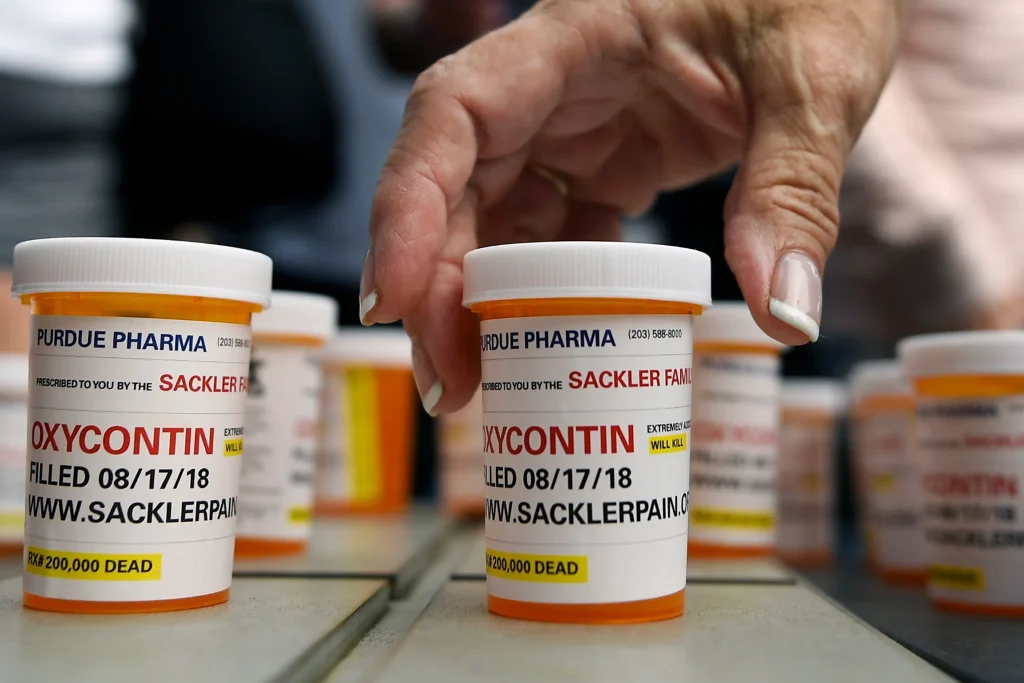
After six painful years of courtroom warfare, billion-dollar negotiations, and raw public fury, Purdue Pharma has finally won approval to exit bankruptcy—slamming the door on one of the most bitter legal battles in modern corporate history. The ruling handed down Friday doesn’t just mark the end of Purdue’s time in Chapter 11; it reignites the national debate over justice, accountability, and the legacy of the Sackler family, whose fortune was built on the blockbuster drug that helped create America’s opioid catastrophe.
In a tense afternoon hearing, US Bankruptcy Judge Sean H. Lane announced that he will sign off on Purdue’s hard-fought restructuring plan, paving the way for a sweeping settlement estimated at $7.4 billion. The long-awaited decision brings a definitive—if deeply imperfect—resolution to a saga that has consumed federal courts, state governments, hospitals, and families devastated by addiction.
A collage of Sackler family members, whose role in Purdue Pharma and the marketing of OxyContin has made them central figures in the nationwide opioid crisis.
Judge Signs Off on Purdue’s Bankruptcy Exit
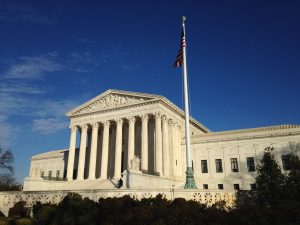
Judge Lane confirmed that he will issue a detailed written opinion next week, but the core of his ruling is clear: the revised Chapter 11 plan satisfies the law as reshaped by the US Supreme Court’s landmark 2024 decision rejecting blanket liability releases for non-bankrupt parties.
The settlement—hammered out over more than a year of negotiations—allocates billions toward opioid-abatement programs across the US. Roughly $850 million will flow directly to individuals and families who suffered addiction-related harms.
How the Supreme Court Forced a Major Rewrite
Purdue’s earlier plan collapsed in 2024 after the Supreme Court blocked a liability shield that would have protected the Sackler family from future opioid-related civil claims without unanimous creditor consent. That ruling sent shockwaves through the bankruptcy world and effectively forced Purdue to construct an entirely new deal.
This latest version allows creditors to opt out of releasing claims against the Sacklers. In exchange, those creditors receive a smaller slice of the settlement pool—but retain the right to sue Purdue’s former owners independently.
What the Sacklers Are Paying Now
Under the updated agreement, the Sacklers will contribute approximately $6.5 billion over 15 years. The funds will be distributed through a series of installment payments, subject to various reserves and financial safeguards.
Purdue’s remaining business assets will be transformed into Knoa Pharma, a public benefit company tasked with producing overdose-reversal drugs and addiction-treatment medications—an attempt to convert a legacy of harm into a platform for public health.
Near-Universal Support — But Not Without Outrage
More than 99% of voting creditors across all 50 states, tribal governments, hospitals, schools, local agencies, and personal-injury claimants endorsed the revised plan. But not everyone agreed.
A small group of individuals representing themselves lodged emotional objections during a three-day trial, arguing that the Sacklers were being allowed to walk away with too much protection and too much wealth intact.
Judge Lane reiterated throughout the proceedings that:
-
No creditor is forced to release claims
-
The bankruptcy does not shield anyone from potential criminal liability
Even Purdue’s attorney, Marshall Huebner of Davis Polk & Wardwell LLP, acknowledged the limits of the court’s power. Closing arguments on Friday were marked by a somber recognition that no legal process could fully address the devastation wrought by OxyContin.
“This plan cannot undo the pain so many have endured,” Huebner said, “but it allows this overly long chapter to close and lets the money finally flow.”
A Crisis That Spawned $40 Trillion in Claims
Purdue filed for Chapter 11 in 2019 under the weight of more than 2,600 lawsuits from states, cities, counties, and individuals. Creditors ultimately filed over $40 trillion in claims—an astronomical figure symbolizing the scale of the opioid epidemic, though far exceeding the company’s actual value.
In 2020, Purdue pleaded guilty to federal conspiracy and fraud charges tied to its aggressive marketing of OxyContin.