Understand Your Rights. Solve Your Legal Problems


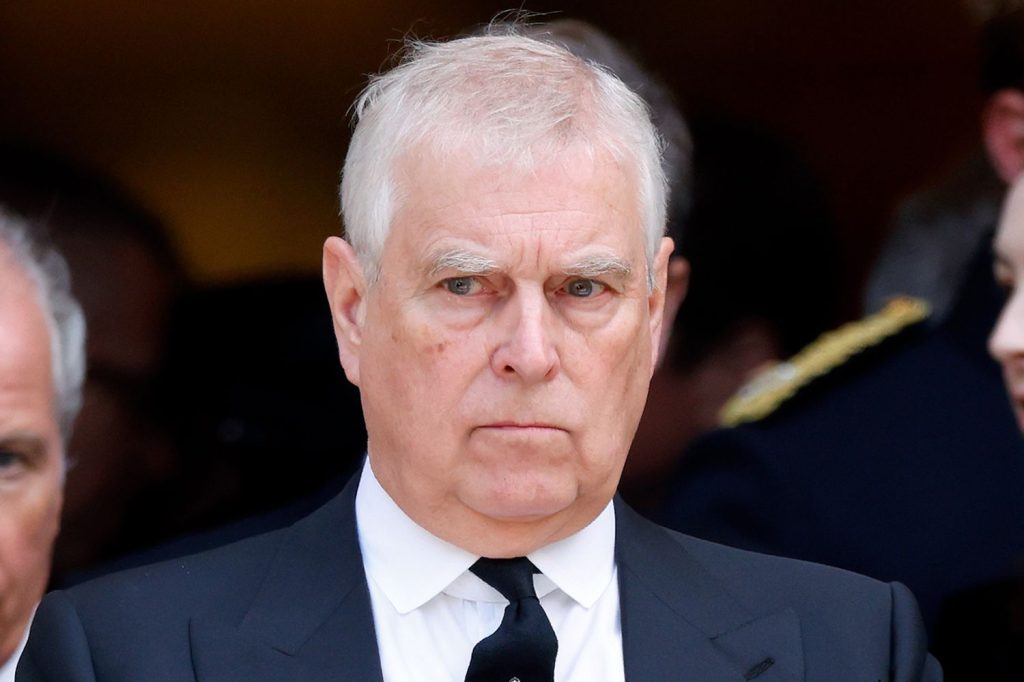
Andrew Mountbatten-Windsor is facing the final hours of a US Congress deadline demanding a response about his past ties to Jeffrey Epstein, a moment that has triggered fresh scrutiny on both sides of the Atlantic. Lawmakers in Washington gave him until 20 November to say whether he will cooperate with their request for information linked to Epstein’s network and the Duke’s past contact with him.
The timing is explosive. US officials appear closer to releasing new Epstein-related records, UK police are still reviewing allegations involving Andrew’s conduct toward an officer, and British MPs are preparing to challenge his public role and taxpayer-supported arrangements.
With legal pressure limited but reputational stakes enormous, Andrew must now decide whether he responds — or stays silent and risks a new wave of questions he cannot fully control.
The House Oversight Committee asked Andrew for details relevant to its ongoing review of Epstein’s trafficking network. Members say his past contact with Epstein during key periods could help clarify timelines and interactions still under examination.
Andrew is under no legal obligation to respond. Congress cannot compel testimony from foreign nationals living outside the United States.
But refusing may intensify public suspicion at a moment when global attention on Epstein’s history is sharper than it has been in years.
Inside Britain, the situation has become more complicated.
Metropolitan Police Review: Scotland Yard is continuing its assessment of allegations that Andrew once asked an officer to obtain information about Virginia Giuffre — a claim he denies.
Parliamentary Interest: MPs from multiple parties plan to raise questions about Andrew’s public funding and long-standing housing arrangements.
Royal Optics: While Buckingham Palace has avoided comment, renewed coverage of Epstein has revived concerns about how the issue reflects on the monarchy.
These pressures mean that the outcome of the congressional request is only one part of a larger public reckoning.
A congressional request is not the same as a subpoena.
Because Andrew is a UK resident and a non-US citizen:
Congress cannot force him to appear or testify.
He may choose to respond voluntarily, including in writing.
Declining carries no legal penalty.
The real stakes are reputational and political, not legal.
This is a standard limitation in US investigations that involve individuals outside American jurisdiction.
US authorities appear close to releasing additional Epstein-related documents. These may include references to travel logs, financial movements, or previously redacted names.
It is unknown whether any of the material relates to Andrew. But the release of new records could influence the public conversation about his past association with Epstein — regardless of how he responds to Congress.
No. He denies all allegations and faces no criminal charges in the UK or the United States. A civil settlement in 2022 contained no admission of wrongdoing.
No. Congress has no authority to compel foreign nationals outside the United States to appear.
It is possible, but unknown. Large document releases can contain many names; whether Andrew appears is not confirmed.
No. The request was addressed to Andrew directly and does not involve the Royal Household.