Understand Your Rights. Solve Your Legal Problems


Ex-NBA Star Tony Allen Arrested in Arkansas on Drug Charges: Legal Fallout Looms for the Former Defensive Legend
The Poinsett County Sheriff’s Office in Arkansas has confirmed that former NBA star Tony Allen, 43, was arrested this week on drug possession charges after a traffic stop near the Tennessee border. Authorities say Allen faces one felony count and one misdemeanor related to the discovery of marijuana and cocaine during a roadside search late Wednesday evening.
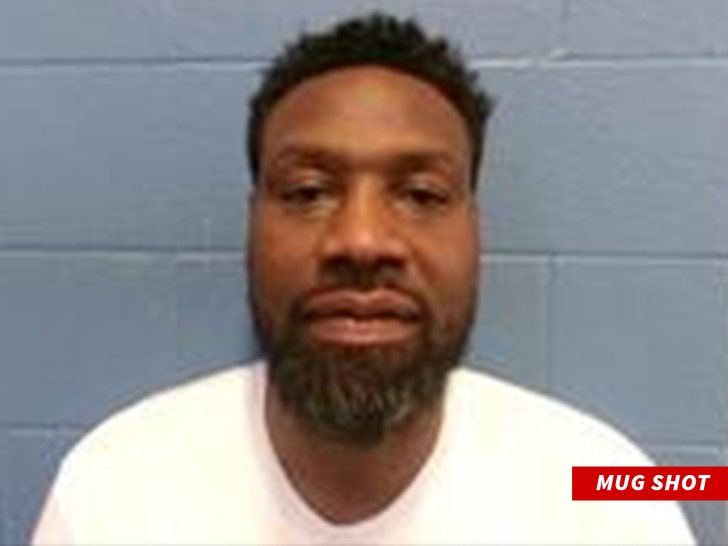
According to Sheriff Kevin Moulder, the former Memphis Grizzlies standout was a passenger in a vehicle pulled over for an improper lane change roughly 50 miles outside of Memphis. Deputies reported finding a small bag of marijuana on Allen’s person, while a further search of the vehicle allegedly turned up a cigarette box containing cocaine. Allen, who was taken into custody without bond, posed for a booking photo early Thursday morning wearing a plain white T-shirt.
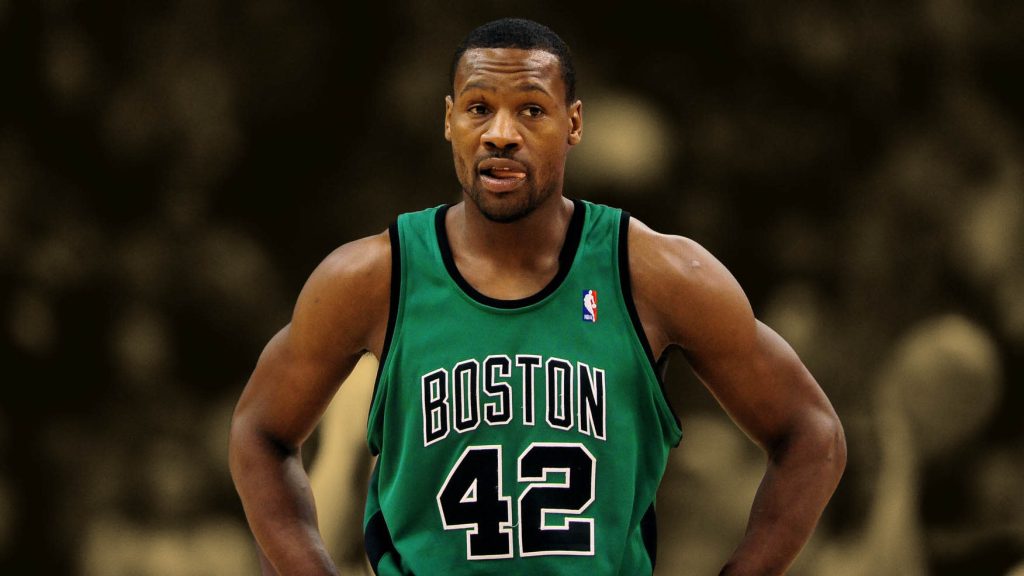
For many basketball fans, Tony Allen’s name is synonymous with grit, defense, and heart. Known affectionately as “The Grindfather,” Allen spent the prime of his career with the Memphis Grizzlies from 2011 to 2017, where his relentless defense became a defining feature of the franchise’s “Grit and Grind” era. Earlier this year, in March 2025, the Grizzlies retired his No. 9 jersey, honoring his impact on the team and the city.
But in recent years, Allen’s life off the court has taken a darker turn. In 2023, he pleaded guilty in a federal health insurance fraud case involving several former NBA players. The scheme, which defrauded the league’s health plan of millions, resulted in Allen receiving three years of supervised probation and community service instead of jail time.
This latest arrest now casts doubt on whether that leniency will continue — and whether Allen’s legacy, once celebrated for his toughness and discipline, can withstand another brush with the law.
Drug laws in Arkansas are among the strictest in the southern United States. Under Arkansas Code § 5-64, possession of a controlled substance like cocaine is classified as a felony offense, while possession of marijuana may be charged as either a misdemeanor or felony depending on quantity and prior record.
If convicted, Allen could face:
Up to 6 years in prison for the felony possession of cocaine
Fines reaching $10,000 or more
Possible revocation of his existing federal probation stemming from the 2023 case
Legal analysts confirm that a probation violation could significantly compound Allen’s exposure. Neama Rahmani, a former Federal Prosecutor and President of West Coast Trial Lawyers, explains the severity:
“This is not just a new state charge; it is a direct violation of his federal supervised probation from the fraud case. A drug felony is a substantive violation, and any federal judge is going to view that as a huge betrayal of trust. The court now has the power to revoke his probation and sentence him to prison time that was previously suspended, making the fallout from this arrest far more severe than the Arkansas charges alone.”
Drug possession in Arkansas is prosecuted under a “constructive possession” doctrine, meaning an individual doesn’t need to physically hold the drugs to be charged — proximity and knowledge can be enough. Because Allen was a passenger, the legal question will likely center on who owned or controlled the substances found in the vehicle.
Courts in Arkansas have previously ruled that passengers can be convicted if prosecutors can prove awareness of the drugs and intent to control them — even without direct evidence of ownership. The burden now shifts to Allen’s defense to argue lack of control or knowledge, especially regarding the cocaine reportedly found in the cigarette box.
This case highlights an important point for readers:
If you are ever a passenger in a vehicle where illegal substances are found, you can still face serious charges unless you can clearly prove lack of knowledge or involvement.
Allen’s arrest follows a troubling pattern among former professional athletes struggling with post-career transitions. The NBA veteran once earned millions, celebrated for his defensive intensity and leadership, yet has since faced public humiliation and mounting legal issues.
Sports psychologists often describe the years following retirement as “identity collapse” — when athletes lose structure, income, and purpose. Without strong financial management or mental health support, many drift into substance use or risky behavior.
For fans in Memphis, where Allen remains a beloved figure, the news has sparked both sadness and disbelief. “Tony meant everything to this city,” one fan posted on X (formerly Twitter). “He gave 110% every night — this doesn’t feel like the guy we knew.”
Beyond the headlines, Allen’s arrest underscores a broader legal truth: celebrity offers no immunity from criminal liability. Drug possession laws in the U.S. operate on strict liability principles — meaning intent or fame rarely mitigate the offense itself.
It also highlights the challenge of balancing rehabilitation with accountability. Having already received a second chance through probation, prosecutors may be less inclined to show leniency again. Defense attorneys could, however, emphasize Allen’s cooperation, lack of violent history, and ongoing rehabilitation efforts to argue for reduced sentencing.
In Arkansas and beyond, this case serves as a reminder of how swiftly one mistake can compound past missteps, especially for public figures already under scrutiny.
Is drug possession a felony in Arkansas?
Yes. Possession of Schedule I or II substances (like cocaine) is a felony under Arkansas law, with penalties ranging from 3 to 20 years depending on quantity and prior offenses.
Can probation be revoked for a new arrest?
Absolutely. Even without a conviction, being arrested while on supervised probation can trigger a violation hearing and possible incarceration.
What defenses are available for drug possession in a vehicle?
Common defenses include lack of knowledge, unlawful search and seizure, or proving the drugs belonged to another occupant.
Could Tony Allen’s NBA career honors be affected?
While jersey retirements are symbolic and typically permanent, public perception — and future opportunities with the team or league — may be impacted by continued legal trouble.
As of Thursday morning, Allen remained in custody awaiting his initial court appearance. His attorneys have not yet issued a public statement.
For now, the man once revered as the “Grindfather” faces a new kind of battle — one not fought on the hardwood, but in the courtroom. His story serves as both a legal cautionary tale and a deeply human one about the weight of past mistakes and the fragile line between redemption and relapse.
Key Takeaway:
Tony Allen’s arrest is more than another celebrity headline — it’s a window into how U.S. drug laws operate, how prior convictions heighten risk, and how even the most disciplined athletes can falter when structure and support fall away.