Understand Your Rights. Solve Your Legal Problems


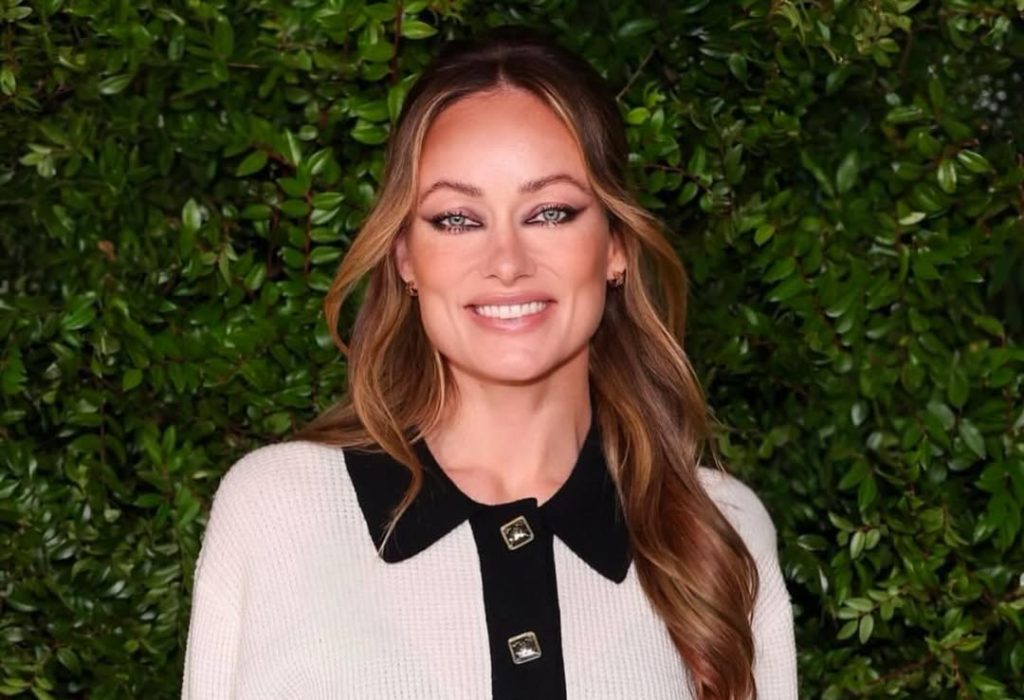
Olivia Wilde and art dealer Caspar Jopling stepped out in New York for a quiet dinner, but in the world of celebrity, nothing is truly private and every public photo is a business risk.
The pair, seen sharing a meaningful evening with friends, have ignited the ongoing legal debate: When does reporting on a celebrity's life stop being "news" and start becoming unauthorized, profit-driven exploitation?
For Wilde, known for directing Booksmart and Don’t Worry Darling, and for her activism on women’s rights and representation in film, this latest chapter follows years of navigating high-profile relationships in full public view.
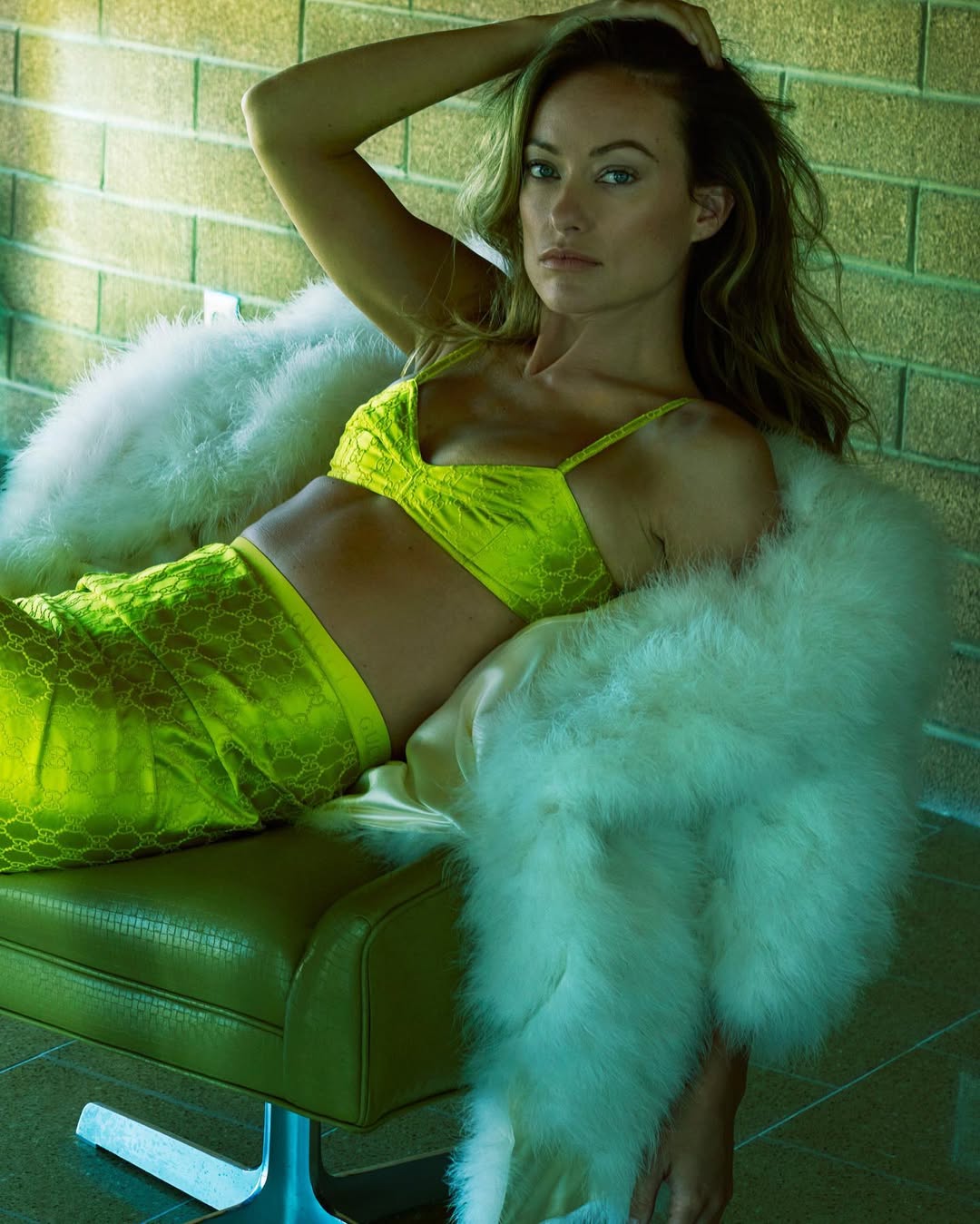
Actress and director Olivia Wilde is featured in a striking editorial photo. (Photo:@oliviawilde Instagram)
The dinner in New York reflects a broader shift for Olivia Wilde from guarded privacy toward measured openness. Observers note that after years of tabloid coverage around her personal life, this new relationship seems rooted in calm rather than spectacle.
While often defined in the media by his relationship with singer Ellie Goulding (with whom he shares a young son and co-parents amicably), Caspar Jopling is an established figure in the global art market.
An alumnus of Eton College and Harvard University (where he studied the History of Art and Architecture), Jopling's pedigree runs deep in the British art scene; he is the nephew of renowned gallerist Jay Jopling, founder of the White Cube gallery.
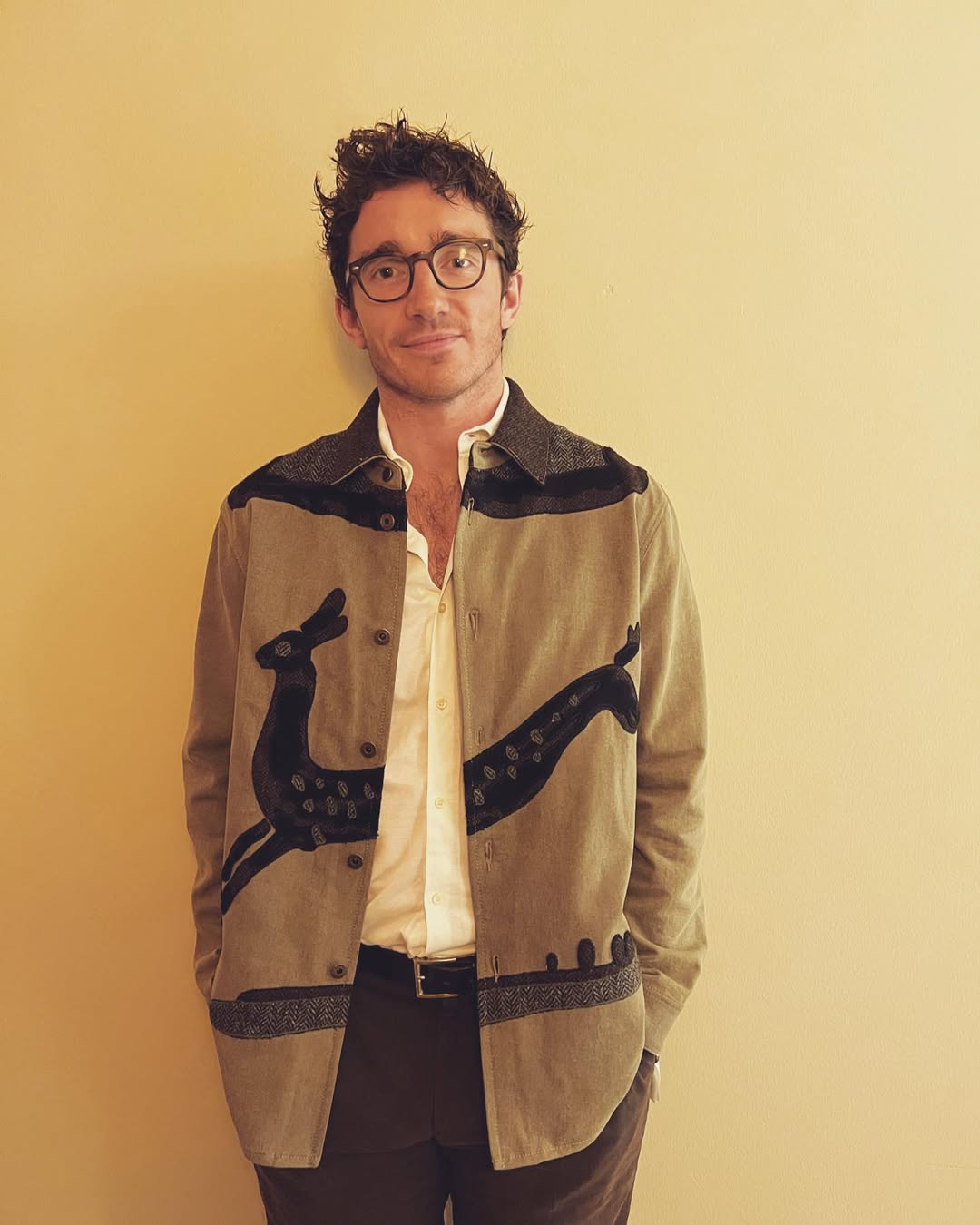
Art dealer Caspar Jopling. (Photo: @casparjopling Instagram)
Caspar has worked in high-profile strategy and corporate roles for major auction houses like Sotheby's in New York, cultivating a client list that spans both the United States and Europe.
His transatlantic business interests and academic background, including an MBA from the University of Oxford's Saïd Business School, position him in a world where high-value assets—including works of art are handled with utmost discretion.
This makes his and Wilde's decision to step out together an even more notable choice regarding their public-facing lives.
Moments like this raise an important legal and cultural question: How much privacy do public figures actually have under American law?
In the United States, the First Amendment protects press freedom far more strongly than in most other democracies.
This means journalists can publish truthful, lawfully obtained information about public figures, even when the subjects might prefer silence.
Yet the law still draws a line: individuals, including celebrities, maintain certain rights to control the commercial use of their image or likeness — a doctrine known as the right of publicity.
According to legal analysis by Quinn Emanuel Urquhart & Sullivan LLP,
“The right of publicity in the United States is meant to protect the value of an individual’s name, likeness, or other indicia of identity by preventing it from being commercially exploited by another.”
That distinction between journalism and commercial exploitation, underpins nearly every modern privacy dispute in entertainment and media.
Celebrity-rights attorney Christopher C. Melcher, partner at Walzer Melcher LLP in Los Angeles, explains the tension clearly:
“In the U.S., public figures have almost no protection under the law from unflattering stories. Our Constitution rejects governmental interference with the press, giving the media the right to publish information subject to few restrictions.”
Public interest ≠ public ownership: Seeing a celebrity in public doesn’t give others unlimited rights to profit from their image.
Commercial vs. editorial use matters: News or commentary about a public appearance is generally protected; using that same image in marketing or merchandise without consent can violate publicity rights.
State differences: California’s Civil Code § 3344 and New York’s Civil Rights Law §§ 50–51 are leading statutes governing unauthorized commercial use of a person’s likeness.
Olivia Wilde’s casual dinner serves as a powerful reminder that the fight for celebrity privacy is the fight for everyone’s digital dignity.
The laws around press freedom and the Right of Publicity are constantly being tested in the courts.
This delicate balance, protecting your likeness from unauthorized commercial use while preserving the news, impacts you and your digital footprint every day. Understanding this legal landscape is no longer optional.
Q: What legal protections exist for public figures in the U.S.?
A: They have limited privacy rights but retain the right of publicity to prevent unauthorized commercial use of their name or image.
Q: Can celebrities sue over photographs taken in public?
A: Only if photos are captured through harassment or trespass. Photos taken in genuinely public spaces are generally lawful for editorial use.
Q: Why should ordinary people care about this issue?
A: Because the same laws that shape celebrity privacy also govern your own rights if someone uses your image or likeness without permission.