Understand Your Rights. Solve Your Legal Problems


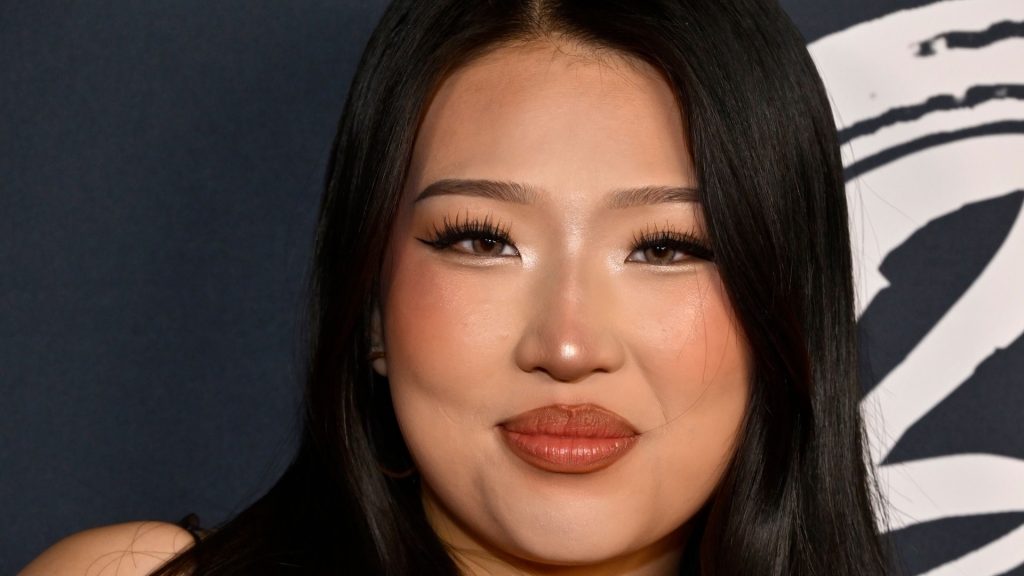
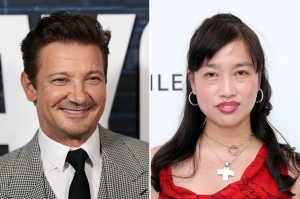
Streamer Nina Lin has issued a public apology after several resurfaced Twitch clips showing her making “uncomfortable” interactions with fellow creators — including Disguised Toast and FaZe Silky’s assistant, Said — reignited debate across social media about consent, accountability, and the blurred boundaries of livestream entertainment.
The controversy erupted in late October when an old clip featuring Lin and fellow streamer Zoe Spencer appeared online, showing both behaving inappropriately toward FaZe Silky’s assistant during a broadcast.
The video went viral within hours, prompting Twitch to issue temporary bans against both Lin and Spencer. But soon after, older clips involving Lin’s interactions with Disguised Toast resurfaced — and that’s when the firestorm truly began.
In one of the clips, Disguised Toast appears visibly uncomfortable while Lin continues to engage for the sake of “content.” Viewers called it “cringe” and “crossing a line,” igniting fierce debate about how far streamers should go for entertainment.
The bans didn’t last long. Twitch quietly reinstated both Lin and Spencer within 48 hours, drawing criticism from creators and fans who felt the platform wasn’t taking harassment seriously.
Said, the assistant seen in one of the clips, publicly called the reversal “unreal.” Many accused Twitch of prioritizing high-profile creators over accountability.
Lin, facing growing pressure, issued a second, lengthier apology across Instagram stories:
“My actions and words are inexcusable. I will not deflect from my wrongdoings but I will speak my truth, as there have been many clips circulating with false and skewed narratives,” Lin wrote.
“It’s inexcusable to have let it get that far to the point where [Said] felt uncomfortable and harmed. That was never my intent, and it was completely my fault for not reading the room better.”
Lin also directly addressed the now-viral Disguised Toast clip, admitting she was “out of line” and motivated by the pressure to create viral content.
“I let the focus on content creation blind me,” she said. “It was at the expense of someone’s comfort, and I deeply regret it. I’ve reached out to Toast to apologize profusely. My intentions were never to harm or catch him off guard.”
Toast has since acknowledged the apology, telling fans he hopes the incident “leads to better awareness among creators.”
Main Legal Question: Can a livestreamer be held legally responsible for making another person uncomfortable or crossing physical boundaries on camera?
The Nina Lin controversy goes beyond drama — it cuts straight into a growing legal frontier: non-consensual physical contact during livestreams.
What happens when entertainment meets real-world law?
Under U.S. state laws (notably California, where many major streamers operate), consent must be affirmative, informed, and voluntary. If a person engages in unwanted physical contact during a broadcast — and the other party shows discomfort — it can meet the legal threshold for assault or battery even if it began as a “joke.”
The Disguised Toast clip, for example, shows clear discomfort. That visual evidence alone could be enough to support a civil claim if the affected party pursued one.
There are two key areas of liability here:
Criminal – Physical contact without consent can fall under assault or harassment statutes, especially if the incident occurs in a private setting.
Civil – A victim could claim emotional distress or reputational harm if their likeness is broadcast in a compromising context.
In California Penal Code § 647(j), filming someone in a situation that violates their expectation of privacy — or uploading content depicting unwanted contact — can lead to prosecution.
Meanwhile, AB 392 (2025) expanded liability for non-consensual content uploads, meaning livestreamers now face harsher penalties for crossing personal boundaries on-air.
If you’re a content creator, this case is a warning shot. “It’s just for views” is not a defense if someone feels violated.
If you’re a viewer or guest, know that you retain your rights even on camera — consent cannot be assumed simply because you appear in a stream.
According to attorney Jeff Herman, who has represented victims in several high-profile internet misconduct cases, “The internet isn’t a legal vacuum. When a creator ignores clear boundaries or exploits another person for content, liability follows the camera.”
Always record explicit consent before filming any physical interaction.
If discomfort arises, stop immediately and address it, both privately and publicly.
Guests should feel empowered to withdraw consent at any time, even mid-stream.
Re-uploading or resharing a clip involving unwanted conduct could expose you to secondary liability.
A Pew Research study found that 1 in 3 women under 35 has faced some form of online sexual harassment — a statistic that’s increasingly relevant in the age of Twitch and TikTok. For a deeper look at how U.S. federal laws protect victims of online harassment and cyber abuse, our in-depth legal guide explains what constitutes a federal crime and how to report it.
This isn’t just about one streamer’s mistake; it’s about a digital culture where entertainment and ethics often collide.
Bottom line: Whether you’re live on Twitch, YouTube, or Kick, consent doesn’t end when the camera starts rolling. Streamers who fail to respect boundaries aren’t just risking bans — they’re risking lawsuits.
The situation has sparked a wider discussion about parasocial dynamics — the one-sided relationships between creators and their audiences.
While Lin has continued streaming after her suspension, she faces calls for greater accountability and transparency in how Twitch moderates such incidents.
Some creators argue the platform’s enforcement remains inconsistent. Others say the renewed focus on consent and comfort in livestreaming could push the industry toward clearer ethical standards.
Nina Lin’s case is more than another online scandal — it’s a warning about how blurred the line between “entertainment” and “exploitation” has become.
In today’s influencer economy, your personal boundaries, reputation, and legal rights matter as much as your content.
Before you press “Go Live,” make sure everyone involved has said yes — and meant it.
Answer: Yes. Under U.S. state laws, particularly those like California Penal Code, unwanted physical contact during a broadcast—even if intended as a joke—can meet the legal threshold for assault or battery. The Disguised Toast clip, for example, showing clear discomfort, could serve as visual evidence in a civil claim for emotional distress or, potentially, criminal prosecution under harassment statutes.
Answer: Twitch quietly reinstated both creators within 48 hours of their temporary bans, a move that drew widespread criticism from fans and other creators. While Twitch did not publicly state its reasoning, many accused the platform of prioritizing high-profile creators over enforcing accountability and consistency in its moderation policies regarding on-stream misconduct.