Understand Your Rights. Solve Your Legal Problems


How one NFL legal rule can decide a player’s fate and why fans should care.
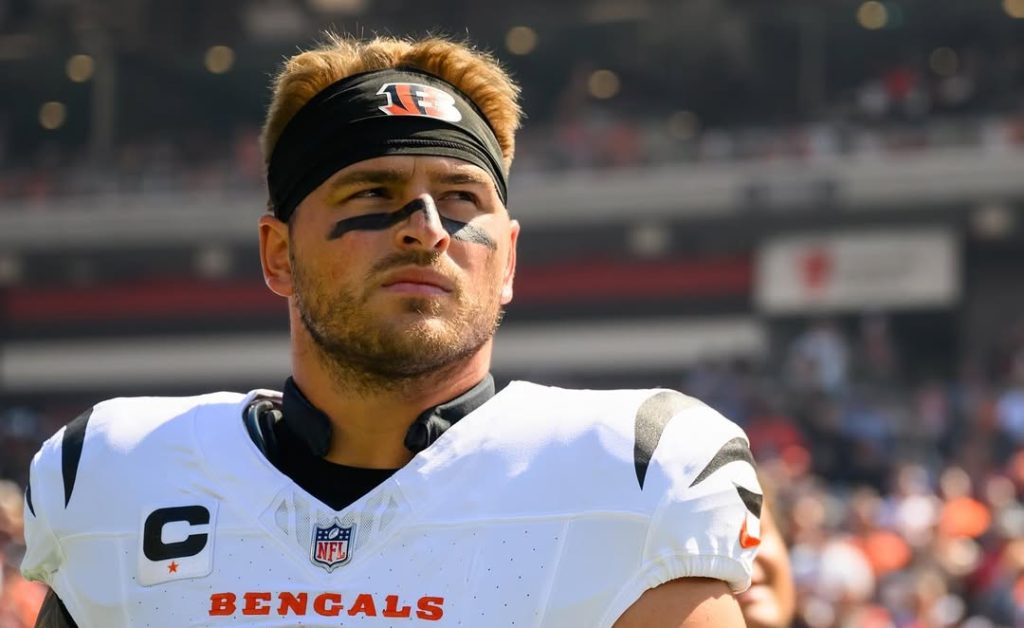
When the Dallas Cowboys struck a last-minute deal to bring Cincinnati Bengals linebacker Logan Wilson to Texas, it looked like a simple football trade.
But beneath the headlines lies a rarely discussed legal and financial framework that dictates who stays, who goes, and who gets paid.
And it all comes down to one powerful legal instrument: the NFL’s salary cap system, a legally binding structure that shapes every major team decision — including this one.
Under the Collective Bargaining Agreement (CBA) between the NFL and the NFL Players Association (NFLPA), each team is bound by a “hard cap” — a legal ceiling on the total amount of money it can spend on player salaries.
Every contract a player signs must fit within that cap, and bonuses or guaranteed money are counted over several years through what’s known as prorated cap hits. For Wilson, who inked a four-year, $36 million deal in 2023, those numbers became a double-edged sword.
When the Bengals began reshaping their defense, they couldn’t simply cut Wilson without paying the price. His contract still carried “dead money” a legal term for guaranteed salary that continues to count against the team’s cap even after a player leaves.
The only real solution? Trade him.
As former NFL executive and sports law analyst Andrew Brandt explains, “The cap is simply accounting… cash is real money, cap is simply bookkeeping.”
That line, from Brandt’s long experience negotiating player contracts, highlights how the salary cap isn’t just a financial limit, it’s a legal and structural force that can reshape careers.
Behind every transaction lies a delicate balance of guarantees, amortized bonuses, and compliance with the Collective Bargaining Agreement, a document that binds both teams and players to rigid financial math.
In Wilson’s case, that “math” became destiny. The Bengals couldn’t absorb the dead-money hit of releasing him outright, so the law of the cap turned into the law of motion — pushing him straight to Dallas.
For Logan Wilson, the trade was a legal domino effect where contract language, not performance, dictated his destiny.
This reality serves as a sobering reminder to fans that the NFL operates on a balance between passion and paperwork; every "surprise trade" often traces back to clauses buried deep within contracts, such as cap accelerations or injury guarantees.
While Dallas inherited the veteran linebacker and his final year-and-a-half of cap commitments (figures that were too heavy for Cincinnati's future plans), the story transcends sports business.
It highlights how legal structures quietly govern lives and loyalty. For athletes, it's a powerful lesson in reading the fine print, as understanding guaranteed money and dead-cap liability can mean the difference between stability and uncertainty.
For fans, it's a call for empathy, recognizing that behind every jersey change is a human being navigating a maze of financial rules. Ultimately, the Logan Wilson trade is a case study in how sports law, contracts, and financial limits drive decisions that feel personal to millions of fans.
The next time your team trades a beloved player, remember: it might not be about loyalty or performance, it might be about the law.
1. What does “dead money” mean in the NFL salary cap?
“Dead money” refers to guaranteed salary that still counts against a team’s cap even after a player has been cut, traded, or retired. It’s essentially money the team still owes, tied to past bonuses or guarantees. In Logan Wilson’s case, his 2023 contract included guaranteed money that would stay on Cincinnati’s books unless he was traded, forcing the team’s hand before the NFL trade deadline.
2. Why did the Bengals trade Logan Wilson instead of keeping him?
The Bengals weren’t necessarily unhappy with Wilson’s performance — they were constrained by salary cap and dead-money penalties. Trading him allowed Cincinnati to shift future financial obligations off their books while still getting something in return. It’s a classic move teams make when legal contract terms outweigh on-field contribution.
3. How does the NFL salary cap actually work?
The NFL salary cap is a legally binding spending limit negotiated in the Collective Bargaining Agreement (CBA) between the league and the NFL Players Association (NFLPA). Each team must keep total player payroll under this number every season. Contracts with large signing bonuses are prorated over several years, creating the illusion of flexibility — until “dead money” comes due when players are released or traded.
4. What happens to a player’s guaranteed money after a trade?
When a player is traded, the new team takes on the remaining non-prorated portions of his contract — such as base salary and roster bonuses — while the old team often absorbs dead-cap charges for money already paid or guaranteed. For players like Logan Wilson, this means financial security remains intact, even if they have to relocate overnight.
5. Is “dead money” fair to players?
From a player’s perspective, dead money can be both protection and punishment. It guarantees income even if they’re released, but it can also make teams view them as “too expensive to keep.” As sports lawyer Jane “J. Kate” Rowlands noted, “The salary cap isn’t just a business rule — it’s a legal leash that tugs at loyalty and limits opportunity.”
6. Can NFL teams avoid dead money altogether?
Not entirely. Smart general managers use contract structuring tools like void years, roster bonuses, and guaranteed triggers to minimize future hits, but every big deal carries some risk. Once a player signs a large bonus, that money has to be accounted for — one way or another — under the cap.
7. How do trades like this affect fans?
Trades like Logan Wilson’s are reminders that football is as much about law, math, and money as it is about touchdowns. Fans often see these moves as emotional betrayals, but they’re usually legal necessities. Understanding that bridge between sports law and loyalty helps fans see the game — and their favorite teams — with sharper, more empathetic eyes.
8. What can players do to protect themselves legally?
Players should negotiate for guaranteed salary, no-trade clauses, and injury guarantees to maintain control over their careers. Consulting an independent contract attorney (not just an agent) can ensure they understand every clause — especially those related to cap acceleration, buyouts, and guaranteed triggers.
9. How do fans find out how much dead money their team owes?
Websites like OverTheCap.com and Spotrac.com provide public salary-cap breakdowns for every team and player. These resources show live “dead cap” figures, bonus structures, and potential trade savings — offering transparency into how much the legal side of football affects roster decisions.
10. Could the Logan Wilson trade change future NFL contract rules?
Possibly. As more high-profile trades are driven by dead money pressures, there’s growing discussion within the NFLPA about reforming how bonuses and guarantees are structured. If enough players push back, future CBAs could soften the financial penalties that force teams to part ways with valuable veterans prematurely.