Understand Your Rights. Solve Your Legal Problems


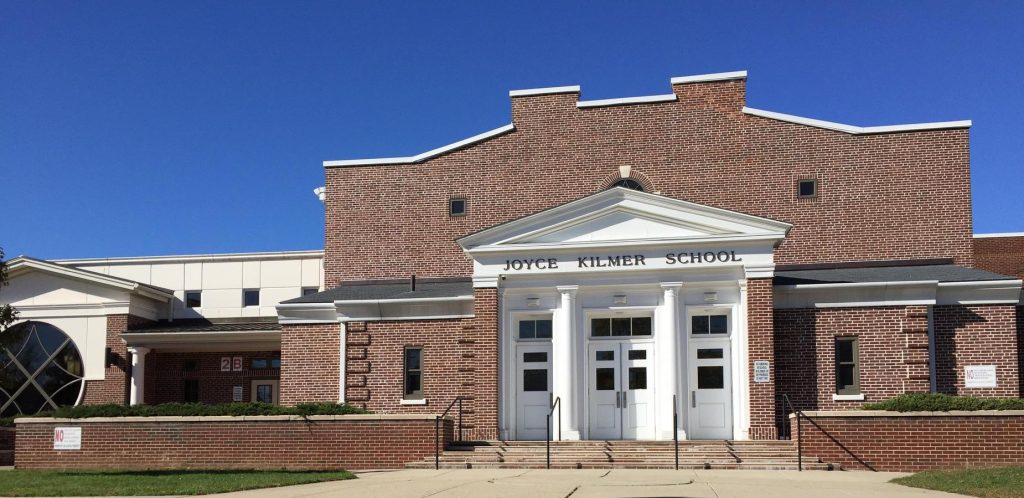
A Middlesex County family has been ordered to repay a staggering $41,500 in school tuition after New Jersey education officials ruled their children attended the Milltown school district while the family was actually living miles away in North Brunswick.
The ruling — adopted Oct. 31 by the state education commissioner — concludes the parents falsely claimed to be homeless in order to keep their children enrolled in Milltown schools while their new home was under construction. An administrative law judge rejected their explanation as “not credible,” saying there was no proof the move was due to hardship or necessity.
For the district, it’s one of the largest tuition clawbacks in recent memory.
For the family, it’s a financial disaster.
According to court records, the family lived in North Brunswick from November 2023 through March 2025 while continuing to send their children to Milltown schools. Under New Jersey law, homeless students can remain in their original district without paying tuition — but the burden of proof falls on the family.
Judge Allison Friedman said that burden wasn’t met.
She found:
The family chose to leave their Clay Street apartment
They moved into a “larger” North Brunswick home
They took their valuables — TVs, computers, schoolwork, clothing — when they left
There was no evidence of an illegal lockout
There was no evidence they ever slept in the Milltown home under renovation
Friedman wrote the parents “failed to show a financial need” to remain in North Brunswick for more than a year.
The commissioner agreed.
Milltown officials declined to comment.
This case comes as districts across the state ramp up residency investigations amid rising enrollment pressures and shrinking budgets. Residency enforcement — once sporadic — has become increasingly aggressive:
Landlords are reporting families to school districts
Districts are hiring private investigators
Surprise home visits are more common
Tuition back-billing now frequently reaches tens of thousands of dollars
State law allows districts to recover 100% of tuition if a family is found living outside district lines. In some cases, that number climbs into six figures.
Advocates argue the crackdown disproportionately targets low- and middle-income families navigating housing instability, construction delays, or temporary relocations.
But districts counter that out-of-town enrollment strains already tight budgets — and taxpayers shouldn’t subsidize students who don’t legally live there.
This case underscores the high stakes: One family, one move, one ruling — and a $41,500 bill.
The dispute began after the family sold their Milltown home in 2022 and temporarily moved to another Milltown address. They later relocated to North Brunswick in November 2023 during reconstruction of a home owned by the children’s grandmother.
The issue exploded when the Clay Street landlord notified Milltown that the children no longer lived there.
On April 24, 2024, Superintendent Stephanie Brown requested updated residency documents. Four days later, the parents submitted an affidavit claiming they were living at the under-construction Milltown home on Highland Drive.
But when pressed, the mother admitted they were actually living in North Brunswick, according to court documents.
The judge concluded the family did not return to the Milltown property until it received a temporary certificate of occupancy on March 6, 2025.
“There is no credible evidence to support the need to stay in North Brunswick for more than a year,” Friedman wrote.
She also found the family had not suffered “economic hardship,” noting they received proceeds from the sale of their previous Milltown home.
New Jersey’s residency and homeless-student laws sit at the center of this case — and the outcome shows just how strict those standards have become.
Under N.J.A.C. 6A:17-2.3, students who are genuinely homeless may continue attending their original school district without paying tuition. But the law places the burden of proof entirely on the family to show that homelessness was caused by factors beyond their control, such as eviction, unsafe conditions, or emergency displacement.
In this case, Administrative Law Judge Allison Friedman determined the family did not meet that threshold. The judge found there was:
No illegal lockout
No evidence of displacement or emergency conditions
No proof the family ever resided in the Milltown home under renovation
Clear evidence they voluntarily moved into a larger home in North Brunswick
Because homelessness was not established, the law required the family to pay full out-of-district tuition for the period their children remained in Milltown schools. State regulations allow districts to recover 100% of tuition when a student attends from outside district lines, even if the family believed they were eligible to remain.
The commissioner’s adoption of the ruling reinforces a broader legal pattern across New Jersey: school districts are increasingly using administrative hearings, landlord reports, and residency investigations to enforce compliance and recover costs. For families, the legal stakes are enormous — a disputed move can result in tens of thousands of dollars in back tuition, even when the circumstances involve construction delays or temporary relocations.
This case illustrates the legal message being sent statewide:
If families cannot document homelessness or residency in strict legal terms, courts will side with districts — and tuition repayment is mandatory.
👉 MTA Updates: Thanksgiving Travel Alert: Major MTA Changes, Extra Trains, Closed Stations — Here’s What NYC Commuters Need to Know 👈