Millie Bobby Brown’s Tearful Farewell: How Stranger Things’ Ending Highlights Hollywood’s Hidden Battle for Respect
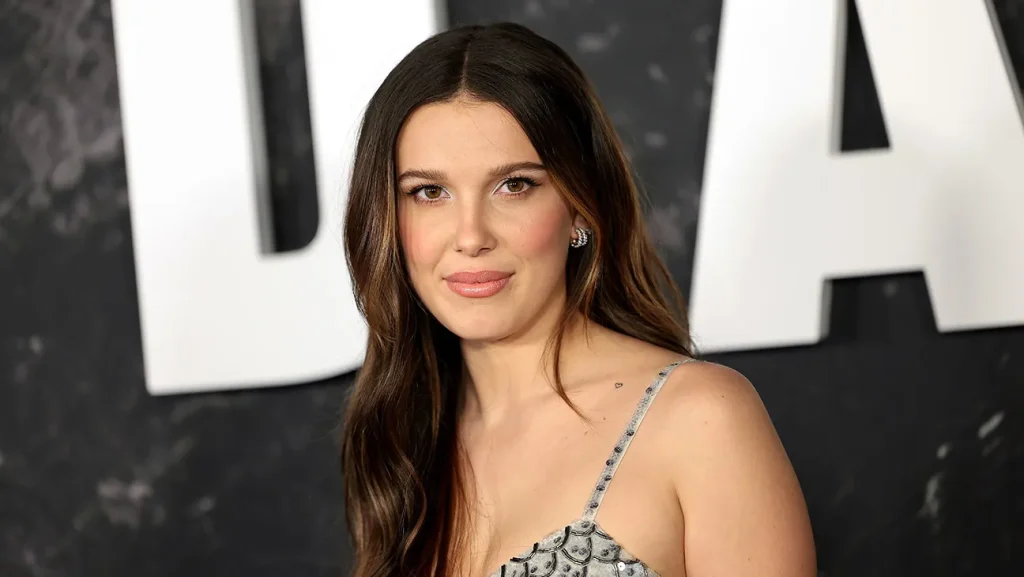
Millie Bobby Brown stepped onto the London red carpet for the final Stranger Things premiere, tearful and stunning. But her emotional farewell was shadowed by the very controversy Netflix hoped had been silenced: persistent reports of bullying and a "toxic" environment that plagued the blockbuster show's set.
On November 7, 2025, the 20-year-old star (and new mother) was met with adoration from fans chanting "Thank you, Eleven!" Yet, the warmth of the moment couldn't fully melt the tension. Industry sources confirmed to us that Netflix conducted a "quiet internal review" earlier this year into claims of "unprofessional conduct."
Joined by husband Jake Bongiovi and embraced by co-star David Harbour, Brown's public appearance was a poignant goodbye to a decade-defining role. But as the images went viral, the real story became clear: This isn't just about a TV show ending. It's a sudden, urgent spotlight on the power imbalances and duty of care Hollywood owes its young actors. The controversy has reignited the critical question: Has the industry truly changed, or is the dark side of fame still lurking just out of frame?

Why This Story Matters
For audiences, Stranger Things is nostalgia. For those inside the business, it’s a workplace subject to employment and safety laws. Allegations of bullying or harassment can expose studios to reputational damage and legal risk, forcing them to show proof of action, training, and support systems.
As one of Netflix’s biggest franchises, the series has become a real-world case study in how fame, responsibility, and corporate ethics collide. The handling of this situation could influence how future productions manage accountability in a post-#MeToo industry.
The Safety and Scrutiny of the Stranger Things Set
The emotional goodbye between Millie Bobby Brown and David Harbour beneath the flashbulbs was symbolic, but it occurred in a very real workplace. The internal review reportedly conducted by Netflix into allegations of "unprofessional conduct" on the Stranger Things set places the massive production directly under the legal and ethical spotlight.

What the Law Says about the Workplace
Like any other employer, Netflix and the show's producers must navigate complex labor laws. Since much of the filming took place in the US and involved a US-based streaming giant, the production is bound by US state labor and harassment laws, alongside strict SAG-AFTRA union contracts. Had the alleged incidents occurred in the UK (where the final premiere was held), the Equality Act 2010 would protect workers from harassment.
For a show that cast Brown as its lead at the age of twelve, the compliance is even stricter, involving child-performance regulations and a duty to provide a safe environment for minors.
The Industry Reality: A BECTU Warning
The controversy surrounding the alleged set issues echoes warnings from industry leaders like Philippa Childs, head of the broadcasting union BECTU, who cautioned that the creative industries have a “dark under-belly which is driving skilled workers out of the sector and leading to untold misery and exploitation.”
For Brown, who spent her formative years on this set, and for Netflix, which championed the show globally, this means regulators and production companies are facing rising pressure to treat creative sets with the same standards expected in corporate workplaces.
The Stakeholders' Duty of Care
This isn't just internal studio drama. The public nature of the allegations involving one of the world's biggest franchises turns the issue into a case study.
- For Readers and Workers: Everyone, including the young stars of Stranger Things, has the right to a respectful work environment.
- For Producers: Employers must investigate promptly and transparently, as the show’s executive producer was quoted saying the team “did everything possible to maintain a safe, respectful workplace.”
- For the Studio: Public-facing industries like Netflix face heightened reputational risk when complaints go unaddressed, forcing them to show proof of action, training, and support systems for their cast and crew.
The fate of Eleven may be fantasy, but the responsibility to ensure a safe set for Millie Bobby Brown and her co-stars is real-world accountability.
The Human Side: The Brutal Truth Behind the Hugs
For Millie Bobby Brown, the final Stranger Things premiere wasn't just a goodbye; it was a tightrope walk. She showcased her transformation from child star to mother—even revealing co-star Noah Schnapp as her baby's godfather—a desperate attempt to prove the cast's bond was stronger than the whispers.
But the sentimental headlines are a smokescreen.
Netflix is frantically promoting the upcoming fifth season as "a defining moment in global television," trying to protect its crown jewel from reputational poison. The series has generated billions in revenue, yet the final chapter arrives amid the ugliest kind of Hollywood scrutiny: not just about the fantasy on screen, but the alleged cruelty behind the camera.
The question isn't whether Stranger Things will be a hit. The real question is: Can Netflix afford the fallout? The studio is now forced to confront a brutal truth—every hug, every viral photo, is instantly scrutinized against reports of toxic conduct. In this post-#MeToo era, fame comes with a price tag of accountability, and the scandal surrounding their biggest franchise may be the most powerful, and damaging, story of all.
MBB Bullying Claims FAQ's
Was there an official investigation into bullying claims?
Yes, reports suggest Netflix reviewed internal complaints, though no formal action or lawsuit has been announced.
Can bullying on a film set be unlawful?
Yes. In the UK, serious or discriminatory bullying may breach the Equality Act 2010 or justify constructive-dismissal claims.
How are young actors protected?
Through union rules, licensed chaperones, and strict working-hours limits under child-performance regulations.
What should you do if you face harassment at work?
Record details, raise a formal grievance, and seek confidential advice from an employment-law solicitor or union rep.
Final Reflection
When Millie Bobby Brown hugged David Harbour beneath the flashbulbs of Leicester Square, it wasn’t just a photo op — it was the symbolic end of a global story. Behind the supernatural fantasy of Hawkins lies a universal truth: every workplace, even one wrapped in lights and cameras, depends on respect and responsibility.
As the final season of Stranger Things approaches, Brown’s journey — from child star to mother and advocate — mirrors the shift happening across Hollywood. Fame, like any job, now comes with accountability. And for the industry, that may be the most powerful story of all.