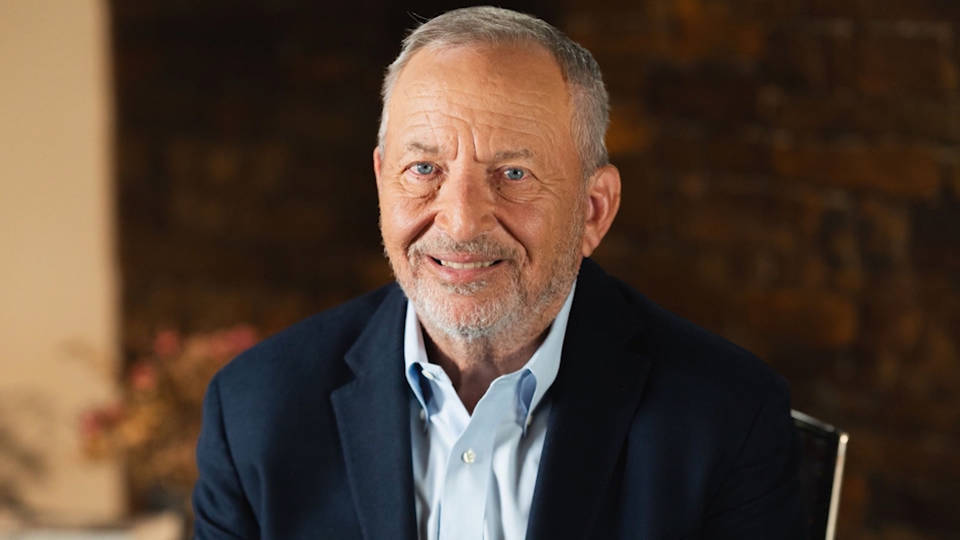
Larry Summers abruptly stepped down from OpenAI’s board late Tuesday night, just days after thousands of pages of his previously private communications with Jeffrey Epstein became public through a congressional document release.
The move adds a fresh layer of turmoil to an already high-stakes moment for OpenAI, Washington, and Harvard all institutions now pulled into the orbit of one of the most radioactive names in American public life.
Summers’ departure matters for three key reasons. He was one of OpenAI’s most high-profile board members.
His ties to Epstein were deeper than previously understood. And the revelations surfaced during a week when Congress is pushing for the full release of federal Epstein files — a development likely to dominate headlines for months.
The emails, disclosed by the House Oversight Committee, have triggered immediate backlash, intense political pressure, and urgent questions about who knew what and when.
OpenAI confirmed the resignation within hours, ending a short but influential chapter that began during the company’s tumultuous leadership crisis two years earlier.
Why Summers Walked Away and Why It’s Exploding Now
The release of more than 20,000 Epstein-related documents last week triggered an immediate and fast-escalating chain reaction.
Summers had already told people close to him that he planned to scale back from public life, but until the emails became public, it was unclear whether that meant stepping away from major roles or simply reducing appearances. The documents changed that calculation almost overnight.
As soon as the communications surfaced, the pressure intensified from multiple directions.
Inside Washington, lawmakers demanded accountability, with some urging Harvard to reevaluate its relationship with one of its most recognizable figures.
On the tech side, OpenAI investors privately questioned whether the company still sensitive after its 2023 leadership crisis, could risk being pulled into another high-profile controversy.
At the same time, the public response surged. Social platforms amplified the story at a speed that has become familiar in any case linked to Epstein, with users dissecting timelines, screenshots, and old statements within hours.
The combination of political scrutiny, institutional pressure, and online backlash created a momentum that was difficult for any organization, or any individual, to manage.
Against that backdrop, Summers’ resignation reads less like a strategic pause and more like a move intended to limit further damage.
Whether it fully stops the fallout remains to be seen, but the timing makes one thing clear: the controversy had grown far beyond what a simple public statement could contain.
Where This Leaves OpenAI and Why Washington Is Watching Closely
For OpenAI, the timing is far from ideal. The company is navigating global regulatory battles, explosive product growth, and ongoing concerns about board stability dating back to “The Blip,” the brief ouster and reinstatement of CEO Sam Altman in 2023.
Summers joined the board as part of that reset, alongside Bret Taylor and Adam D’Angelo, in what was intended to be a new era of stability. Now one of those stabilizing figures is gone.
Inside OpenAI, employees are reportedly focused on avoiding another governance crisis. For a company already under a microscope for how it manages power, risk, and decision-making, a high-profile Epstein-related scandal is the last headline it wanted.
At the same time, the political stakes around Epstein disclosures have surged dramatically.
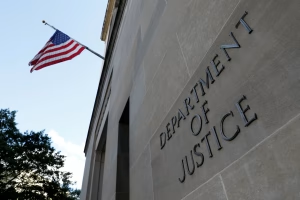
Congress on Tuesday advanced a bipartisan bill requiring the Department of Justice to release all of its Epstein-related files — a rare point of agreement in a deeply divided government.
Summers’ emails landed right in the middle of that tense moment, ensuring they would draw immediate attention on Capitol Hill.
With lawmakers already questioning how deeply Epstein’s influence reached into elite academic, political, and financial circles, Summers’ position at OpenAI — one of the most powerful and scrutinized tech companies in the world — intensified the spotlight.
How Document Releases Like This Actually Work
Congress has the authority to compel documents using subpoenas, which legally require individuals or institutions to hand over records.
When the House Oversight Committee subpoenaed Epstein’s estate, it obtained the trove of emails that eventually became public.
Here’s what matters:
-
Release does not equal guilt. Document dumps often include raw communications with no legal conclusions attached.
-
Committees choose what to publish. They can release files to the public when they believe there is “public interest” in transparency.
-
These documents become part of the official congressional record, meaning every major newsroom, regulator, and institution can review them.
-
If future DOJ files are released under the new bill, they may contain even more sensitive material, potentially triggering additional resignations, political fallout, or institutional reviews.
This process explains why Summers’ resignation happened so quickly after the materials became public — the release alone is enough to create reputational risk, regardless of legal findings.