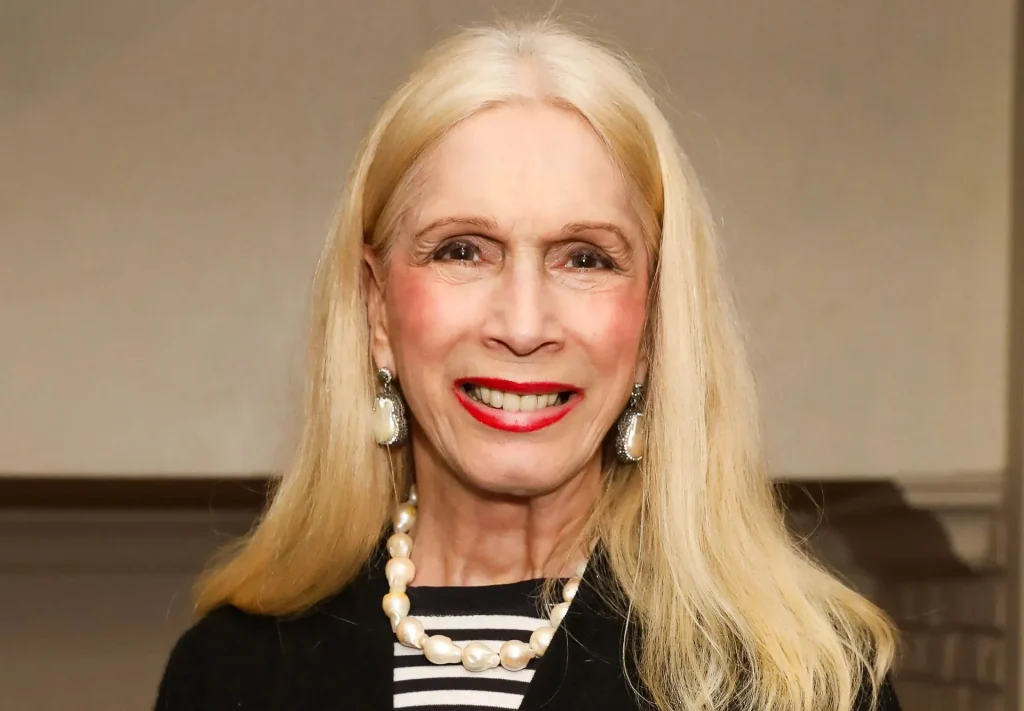
Safety Concerns Raised After Lady Colin Campbell Reports Serious Fall at London Hotel
Lady Colin Campbell has reported a serious fall at a London hotel and indicated she intends to pursue legal action. The incident raises questions about venue safety standards and potential premises-liability issues.
Reported Fall Brings Premises-Liability and Safety Obligations Into Focus
Lady Colin Campbell has disclosed that she suffered significant injuries after a fall at the Soho Hotel in London during a private film screening last month.
The 76-year-old author and broadcaster said she did not see a substantial drop in floor level within the basement screening room, which she claims was inadequately lit.
She was taken to hospital following the incident, where clinicians confirmed fractures to her pelvis and hip. The matter is now of public interest because Campbell has stated she plans to bring a legal claim against the venue, raising questions about compliance with health and safety obligations in hospitality settings.
The circumstances have drawn attention to how hotels and entertainment venues manage lighting, risk assessments and accessibility, particularly during private events.
Authorities have not announced any formal involvement, but the issue highlights broader concerns about premises-safety standards and the responsibilities operators owe to guests.
What We Know So Far
Lady Colin Campbell was attending a film screening at the Soho Hotel when she fell, reportedly due to an unexpected drop in floor height near her seat.
She stated that the room appeared to be on one level and that lighting conditions made it difficult to see the step.
Following the fall, she was taken first to St Thomas’ Hospital and later transferred to King Edward VII’s Hospital, where doctors confirmed fractures to her pelvis and hip.
She remains in hospital receiving treatment, including pain management.
Campbell has said she intends to pursue legal action against the hotel, alleging the environment created an avoidable hazard.
The Legal Questions Raised
Under UK premises-liability principles, property operators generally owe visitors a duty of care to ensure reasonably safe conditions.
Courts typically consider whether a potential hazard was foreseeable, whether adequate warnings were provided, and whether a space was sufficiently lit for safe navigation.
In cases involving falls, authorities usually examine factors such as visibility, signage, staff presence, and whether the layout could have created an unexpected risk.
The central legal issue here relates to whether the hotel met its obligations under the Occupiers’ Liability Act 1957.
If a claim is filed, it would not determine wrongdoing in itself but would prompt an assessment of the safety measures in place at the time of the incident.
How Safety and Accessibility Principles Apply in Public Spaces
Public spaces, including hotels, are expected to follow established safety standards consistent with UK health and safety regulations and broader duty-of-care principles.
Such standards align with international frameworks emphasising personal safety, notably the UN’s basic principles on the right to security of person.
The incident draws attention to accessibility and safe-environment considerations for older individuals and people with mobility challenges.
These concerns are reflected in UK equality and safety guidance, which underscores the importance of removing avoidable physical hazards.
More broadly, incidents of this nature raise questions about how venues manage environmental risks, particularly during events where lighting is deliberately reduced.
The Role of Law Enforcement & Regulators
In such incidents, police are not automatically involved unless there is evidence of criminal conduct or a report requiring immediate intervention. Typically, cases concerning slips, trips or falls are handled through civil processes rather than criminal pathways.
Local authorities may become relevant if safety inspections or licensing considerations arise, though this depends on the specifics of the venue and the nature of the event.
The Health and Safety Executive (HSE) may assess matters where workplace or public-venue hazards are involved, focusing on compliance with statutory duties.
If a legal claim proceeds, insurers, risk-management teams and the courts would form part of the process. No agency has issued a public statement at this stage.
Risks, Implications & Public Impact
Incidents involving unexpected changes in floor level or insufficient lighting can lead to serious physical harm, particularly for older individuals. Such events may also prompt concerns about whether similar risks exist for other guests.
Public confidence in venue safety is shaped by how operators assess hazards, communicate risks and manage lighting or accessibility features. Ensuring transparency and proactive safety measures helps maintain trust in entertainment and hospitality venues.
The case also highlights the importance of clear safety protocols during private events, especially where lighting is intentionally set at low levels.
Key Questions People Are Asking
What laws apply to venue safety in the UK?
Venue operators are generally governed by the Occupiers’ Liability Act 1957, which requires them to take reasonable steps to ensure the safety of lawful visitors. Compliance may involve adequate lighting, clear signage, regular inspections and prompt hazard management.
When can an injury lead to a civil claim?
A civil claim may arise when a person believes an occupier failed to meet their duty of care and that this failure contributed to an injury. Courts typically examine whether the risk was foreseeable and whether reasonable precautions were taken.
Are venues required to warn guests about steps or uneven floors?
Operators are expected to highlight hazards that are not immediately obvious. This can include signage, lighting adjustments or staff guidance, especially in dimly lit areas.
How do age or mobility issues factor into safety expectations?
While operators are not required to predict individual vulnerabilities, UK equality and safety frameworks encourage proactively reducing environmental risks that could affect older guests or people with limited mobility.
Can lighting levels affect liability?
Courts often consider whether lighting was adequate for guests to identify potential hazards. Insufficient illumination may be relevant in assessing whether reasonable safety measures were in place.
Next Steps and Public-Interest Considerations
If Campbell proceeds with legal action, the process would typically begin with a review of incident reports, witness accounts, photographs and any available CCTV, alongside assessments by insurers to determine whether any hazards were foreseeable and appropriately managed.
Digital evidence such as lighting arrangements or maintenance records may also be examined to clarify the conditions at the time, and venues sometimes review their procedures or risk assessments following such incidents, depending on internal findings.
Public statements from those involved are usually made only after initial reviews or legal consultations.
The broader significance of the matter lies in how hospitality venues meet their duty-of-care obligations under UK premises-liability law, particularly regarding lighting, floor-level changes and safe accessibility.
Incidents of this kind underline the public-interest importance of ensuring that event spaces maintain clear safety measures to protect all guests.