Fury as Labour Scraps Two-Child Benefit Cap — Jobless Families Set for £10,000 Windfalls While Taxpayers Foot the Bill
By George Daniel,| 12 November 2025
Thousands of Britain’s largest jobless families could receive five-figure payouts after Labour confirmed it will abolish the two-child benefit cap, one of the most divisive welfare limits of the past decade.
Prime Minister Keir Starmer is expected to outline the reform in the November 26 Budget, overturning a Conservative-era measure and sparking fresh clashes over fairness, welfare dependency, and fiscal discipline.
Treasury officials admit the decision will cost around £3.5 billion per year, giving some of the biggest households an extra £10,000 annually in benefits. Supporters of the change call it a moral correction; critics say it rewards unemployment and will fall on the shoulders of working taxpayers.
‘Unfair on Working Families’
Shadow welfare secretary Helen Whately said the move was “deeply unfair.”
“It’s wrong to make hard-up households pay higher taxes so others can have bigger families on benefits,” she said. “Starmer should stand up to his backbenchers instead of raiding the pockets of working people.”
The Treasury had considered tapering payments to avoid extreme cases but dropped the idea after pressure from Labour’s left.
The two-child rule, introduced in 2017, restricts child tax credit and universal credit to the first two children. The Institute for Fiscal Studies (IFS) estimates that families subject to it lose around £4,300 per year, while supporters say the policy keeps welfare sustainable and encourages employment.
Labour’s U-Turn and Internal Strain
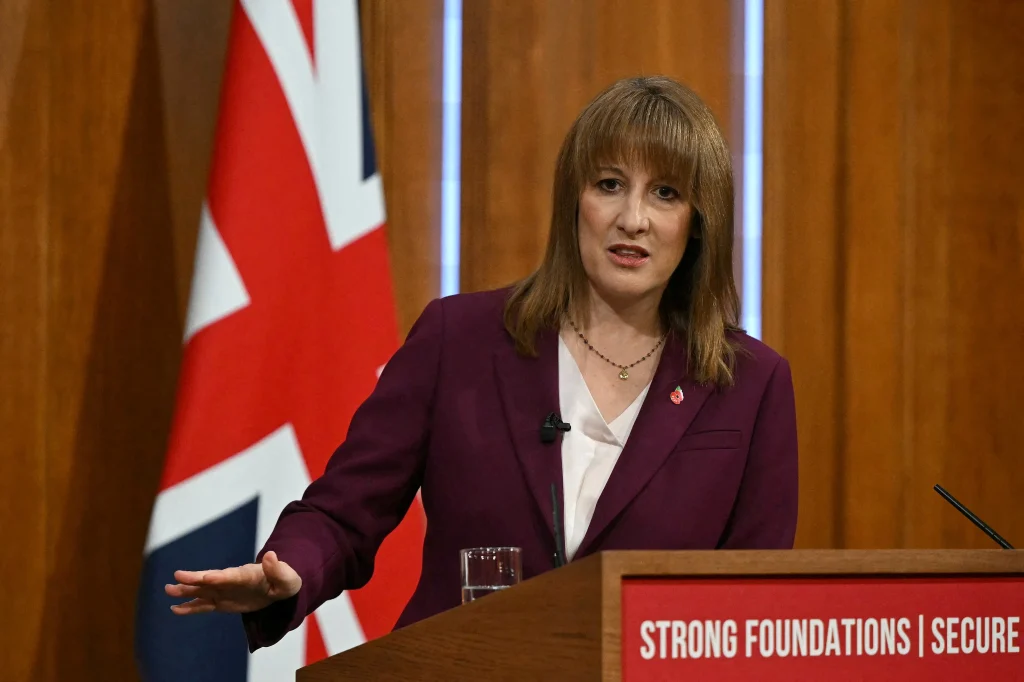
Chancellor Rachel Reeves initially opposed lifting the cap on cost grounds but agreed after intense lobbying from MPs and campaign groups. Former work and pensions secretary Esther McVey called the reversal “financially reckless.”
“You don’t solve poverty by expanding dependency,” she said. “We should be creating jobs, not expanding benefits.”
The change has exposed tension inside Labour, pitting cautious centrists against MPs who want a return to large-scale welfare expansion.
The Numbers Behind the Policy
According to Department for Work and Pensions (DWP) data, about 470,000 families are affected:
-
297,000 with three children
-
117,000 with four
-
37,000 with five
-
18,000-plus with six or more.
Separate HMRC records show 16,000 families claim child benefit for six children, 5,000 for seven, and 15 families for 13 or more.
Removing the limit could see households with five children receive £10,000 extra per year, beyond the existing welfare ceiling of £25,320 in London or £22,020 elsewhere. Labour MPs are also discussing a review of the overall benefits cap.
Starmer’s Pledge on Child Poverty
Starmer defended the policy during a morning interview, saying:
“I’m determined to drive child poverty down. That’s what the last Labour government did and something we were proud of.”
Seven MPs were suspended last year for rebelling on the issue, while former Labour member Rosie Duffield—who resigned over the policy—accused Starmer of acting out of “poll panic rather than conviction.”
Legal Questions Over Labour’s Manifesto Promises
Election-law specialists have questioned whether Labour’s manifesto costings were fully transparent before the 2024 vote.
Under the Political Parties, Elections and Referendums Act, campaign material must not be “knowingly misleading.” Some analysts argue that pledging tight fiscal control while planning multi-billion-pound reversals such as this may prompt Electoral Commission scrutiny.
Constitutional lawyer Professor Steven Barrett has previously noted that while misleading voters is not a criminal offence, Parliament can investigate if costings or commitments are shown to be inaccurate.
The Institute for Government has urged independent audits of all party costings to rebuild trust in election-period spending promises.
Fiscal and Market Reaction
Economists warn the policy could stretch public finances and raise borrowing. The IFS projects annual costs of £3.5 billion, and analysts expect the Office for Budget Responsibility to revise the deficit forecast upward.
One investment strategist said:
“You can’t promise prudence and open the spending taps in the same breath. Markets will test that claim quickly.”
Treasury officials concede extra funding will come through borrowing or modest tax rises, though Reeves insists every pound is “fully costed.”
Opposition Parties Push Back
Conservative front-bencher Kemi Badenoch vowed to reinstate the cap if her party returns to power.
“Taxpayers shouldn’t fund limitless welfare,” she said. “It’s about responsibility, not entitlement.”
Reform UK leader Nigel Farage has long argued that welfare should reward those in work, and allies suggest he would back maintaining the two-child cap except for working families.
Public Opinion Remains Split
A Survation survey found 61 percent of voters oppose removing the cap, including 43 percent of Labour supporters. Opposition is strongest among lower-middle-income households anxious about higher taxes.
Online forums reflected frustration:
“I work two jobs and can’t get help—why should others get thousands for doing nothing?” wrote one reader from Birmingham.
Anti-poverty groups applauded the move as “a moral necessity,” claiming it could lift 250,000 children out of poverty, though fiscal analysts question the reliability of that estimate.
A Defining Test for Starmer
The dispute over the two-child benefit cap is now a defining test of Keir Starmer’s leadership. To supporters, it shows moral conviction; to critics, it signals a retreat from discipline into unchecked spending.
Balancing compassion with economic realism will determine whether Labour’s welfare reforms strengthen or unravel its reputation for competence.
“He’s trying to walk both roads,” said one senior civil-service source. “The danger is he ends up lost in the middle.”
What Happens Next
The Chancellor’s Budget statement later this month is expected to confirm the policy and outline how it will be funded. If borrowing rises, economists predict pressure on gilt yields and the pound.
The coming weeks will show whether the government can sell this reform as social justice—or whether it becomes the first major test of Labour’s credibility with the markets and the public.
Impact on Working Families and Taxpayers
Beyond Westminster, the decision to lift the two-child cap has ignited fierce debate among working families who feel squeezed by stagnant wages, higher taxes, and rising living costs.
For many middle-income households, the reform raises a blunt question — who pays? The Institute for Fiscal Studies (IFS) estimates that if fully implemented, the £3.5 billion annual cost will need to be offset either through higher borrowing or a tax adjustment equivalent to around £120 per working household per year.
Charity groups such as the Joseph Rowntree Foundation argue the spending could prevent long-term social costs by reducing child poverty, while critics counter that it risks creating perverse incentives and discouraging work.
Financial analysts also warn that the reform could place added strain on local services, particularly in areas with higher unemployment and large families already reliant on housing support.
As one policy researcher put it:
“The biggest challenge isn’t just the cost — it’s explaining to taxpayers why this money helps them too.”
This tug-of-war between moral fairness and fiscal reality may ultimately shape how voters perceive Labour’s first major social reform.