Understand Your Rights. Solve Your Legal Problems


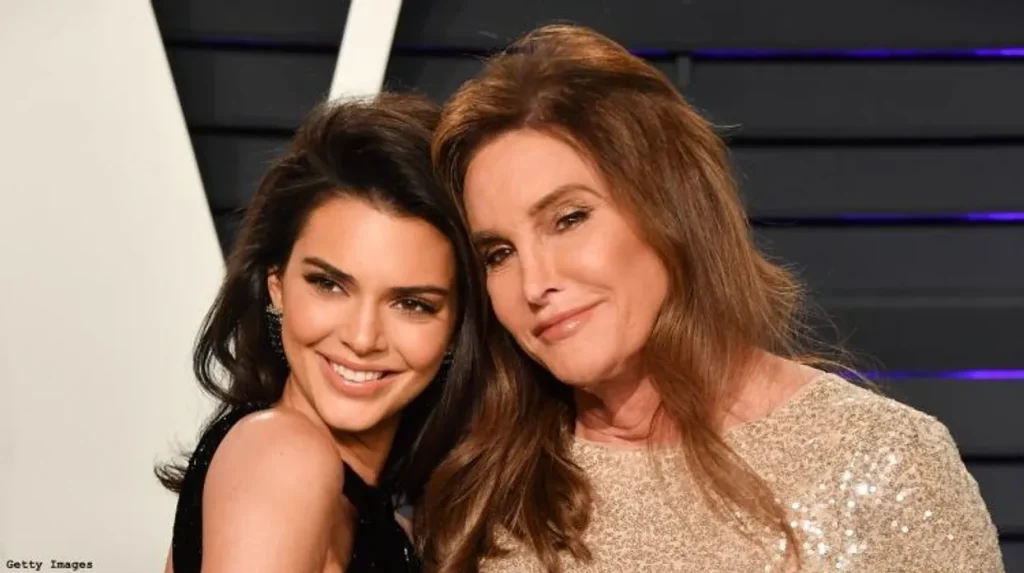
The latest episode of The Kardashians has reignited discussion around privacy and consent laws in reality television, after 29-year-old supermodel Kendall Jenner openly reflected on her strained but loving relationship with her father, Caitlyn Jenner.
The October 30 broadcast on Hulu showed the pair reunited at a family dinner in Hidden Hills — a scene that, while heartfelt, raised broader questions about how much of one’s private life can be filmed and shared without breaching personal boundaries.
During her on-camera confessional, Kendall admitted that she and her father “have completely different views on things.” Despite moments of frustration, she reaffirmed her desire to include her father in her life — a sentiment that underscored the blurred line between family intimacy and public disclosure in the era of unscripted television.
During a dinner hosted by Kris Jenner at the family’s former Hidden Hills home — known as “El Dorado Meadow” — Caitlyn made her first appearance on The Kardashians, despite her regular presence on the earlier series Keeping Up with the Kardashians.
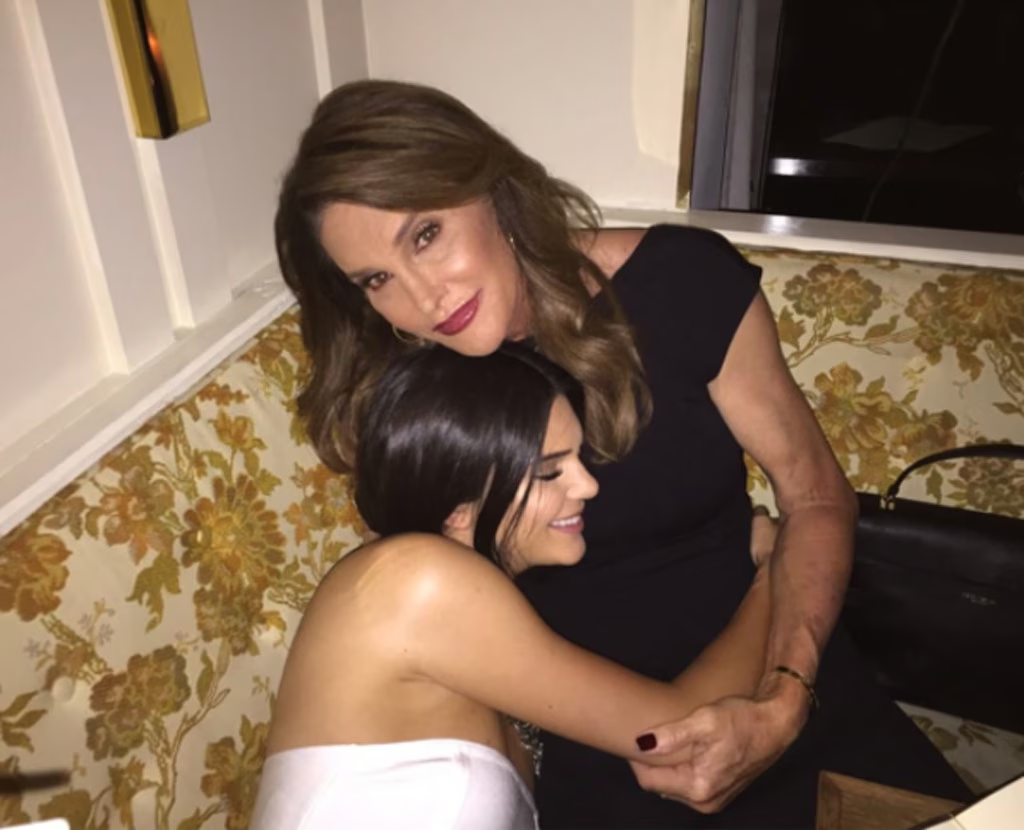
Kendall Jenner and her father, Caitlyn Jenner, appeared together on The Kardashians in a rare on-screen reunion. (@Instagram)
The gathering was framed as a farewell to the home the family had long lived in together: a place full of shared memories, childhood milestones and public visibility.
Kris reflected that “it wouldn’t be the same” without Caitlyn there. Kendall admitted she was “definitely not expecting my dad to be here,” citing the historically distant relationship between her parents.
In the confessional, she said:
“I have to compartmentalize my relationship with my Dad in a way because I love her… But sometimes I get frustrated with her with certain things because we just have completely different views on things.”
She added:
“Other than that, I always want to include her … I know she doesn’t have a lot outside of her family and I think that she gets lonely.”
That mix of affection, concern and frustration captures a dynamic many families experience — amplified here by celebrity, public perception and generational shift.
What makes this moment notable is not simply that Kendall and Caitlyn differ — it’s the high-visibility context in which they’re doing so.
Caitlyn has been public about her conservative political beliefs and policy statements, including support for a ban on transgender women in women’s sports teams.
Kendall, while less publicly outspoken about her politics, represents a younger generation navigating identity, activism and dynamics of fame. Their conversation underscores three broader societal threads:
Generational and ideological divergence: A parent and daughter in the public eye who don’t see eye-to-eye on significant issues.
Celebrity family dynamics under scrutiny: This is not just a private moment — it’s being broadcast to tens of millions of viewers, turning intimate exchanges into public discourse.
Complex identity and belonging: Caitlyn’s journey as a trans woman, former athlete and political figure intersects with family, fame and legacy in ways few households face.
For anyone searching long-tail queries like “how do celebrity children cope with parents different political views” or “celebrity family communication across ideological divides,” this story offers a frank window into the cost and value of familial connection when beliefs diverge.
The underlying message isn’t merely about disagreement, it’s about effort. Kendall didn’t dismiss Caitlyn; she affirmed her desire to include her father despite friction. That nuance matters.
It’s a reminder that alongside “I love you” goes “We don’t always agree” — and yet the relationship continues.
From an emotional-narrative standpoint, moments like these—shared meals, unscripted confessions, generational difference—resonate because many readers recognise them in their own families, even if the setting is vastly different.
While this story is primarily personal and entertainment-oriented, it touches on a lesser-considered legal dimension: the rights and risks of depicting personal relationships on reality television.
The central legal issue here is consent, privacy and portrayal in broadcast media.
Reality television producers typically secure broad releases, allowing the camera to capture not only planned scenes, but spontaneous interactions among cast and guests.
These releases often include waivers or permissions from participants (including family members or invited guests) to appear and have dialogues broadcast. Without consent, participants might claim misrepresentation, violation of publicity rights, or privacy infringement.
Even though the Jenners are high-profile celebrities, the underlying legal principles apply to any family whose private lives are aired or recorded. Viewers might assume “everyone signed up” but in mixed-guest scenarios (such as a surprise dinner invitation) consent can be murkier.
For example:
Did Caitlyn sign a waiver for her appearance on The Kardashians?
If someone appears unexpectedly in a filmed setting, how is consent managed?
If a personal exchange is edited out of context, could it give rise to defamation or misrepresentation claims?
Legal commentators have flagged that while reality-TV participants sign broad agreements, courts remain open to privacy or publicity-right claims when the recording crosses into “unexpected intrusion” or misuses personal data.
For instance, the California Supreme Court in Hill v. National Collegiate Athletic Ass’n (7 Cal.4th 1, 1994) held that highly offensive intrusions into seclusion could support a privacy claim.
Though Mr./Ms. Hill didn’t involve reality TV, the principle applies: an individual's reasonable expectation of privacy matters — even in filmed homes.
According to David Ardia, co-director of the UNC Center for Media Law and Policy, reality-TV contracts often raise questions about whether participants fully understand or can meaningfully withdraw consent once production begins.
If you’re participating in any filmed content — whether reality show, podcast, home-video venture — always ask:
Have all the people present signed a clear release form?
Were invited guests informed they may be filmed and broadcast?
Is there an avenue for participants to review or challenge the use of footage?
In short: appear publicly only with your eyes open — and if in doubt, ask for written confirmation.
The Oct. 30 episode of The Kardashians gave viewers more than a celebrity get-together — it offered a moment of vulnerability, honesty and familial complexity.
Kendall Nunner’s willingness to state that she and Caitlyn Jenner “have completely different views on things” doesn’t signal division so much as reality: families can disagree, yet still show up for each other.
For mainstream readers, the story invites reflection: how do we navigate relationships when values diverge? How sincere inclusion looks even amid fundamental difference? And how public figures live these in magnified ways.
The legal dimension reminds us that when private lives are recorded, broadcast or monetised, permission and privacy still matter — even in a reality show.
For anyone wondering “What do I do when I love someone but don’t agree with them?” or “How do reality TV participants protect themselves?” — here’s a real-world illustration, amplified by fame yet anchored in human truth.
Can producers legally film someone in their home without explicit consent?
No — not without permission. Even in reality television, a person’s home is considered a private space, protected under U.S. privacy law. Producers must obtain written consent or a signed release before airing footage that includes individuals in private settings such as homes, hotel rooms, or hospitals. Without it, filming could amount to an invasion of privacy or violation of publicity rights, depending on state law.
What legal rights do reality-TV participants have if they feel exploited or misrepresented?
Participants who believe they were edited unfairly or portrayed falsely may consider a defamation or false light claim. However, most reality-TV contracts include broad waivers that limit liability for how footage is edited or presented. Legal remedies exist if producers fabricate facts, use unauthorized footage, or cause emotional distress through reckless disregard for truth. Each case depends on the scope of the consent agreement signed before filming.
Can participants revoke their consent after filming a show?
Typically, no. Once a signed release is in effect and filming has taken place, the participant generally cannot withdraw consent. Exceptions occur if consent was obtained under duress, fraud, or misleading circumstances, or if the production later used the footage in a way that exceeds the original agreement. Legal experts note that producers have an ethical and legal duty to ensure that consent remains informed, ongoing, and voluntary throughout the production process.