Understand Your Rights. Solve Your Legal Problems


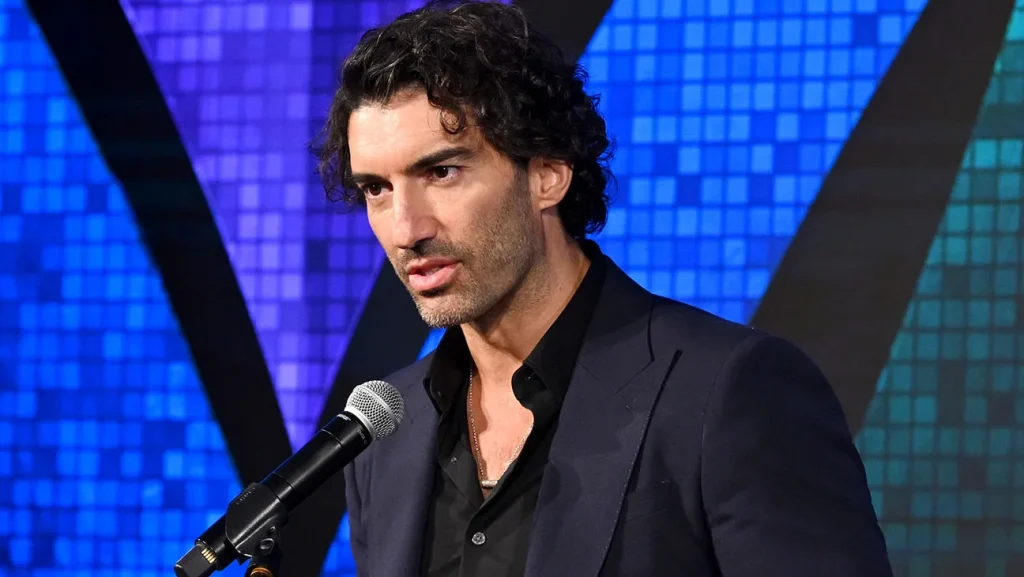
Justin Baldoni was captured on video making a joking reference to “missing the sexual harassment training” during filming — a moment now submitted as evidence in his legal dispute with Blake Lively — and the filing highlights how U.S. law evaluates workplace conduct and intent on a film set.
A simple remark in a creative workspace can quickly take on legal weight, not because of the wording alone, but because harassment cases often turn on context, patterns of behavior, and the power dynamics shaping how comments land. Film sets are workplaces, and the same harassment standards that govern office jobs operate in the entertainment industry — even when cameras are rolling, costumes are unusual, or scenes are scripted for intimacy.
This situation opens the door to a broader look at how civil harassment claims are assessed, what evidence matters most, and how courts sort genuine misconduct from everyday workplace interaction.
In a civil sexual harassment lawsuit, the central question is whether the conduct was unwelcome and whether it contributed to a hostile, intimidating, or offensive work environment. The law does not require the behavior to be extreme or intentional. It evaluates how a reasonable person in the same circumstances would interpret the conduct.
Courts rarely isolate a single comment. Instead, they examine the totality of the circumstances: emails, texts, prior interactions, employment roles, and any evidence suggesting an ongoing pattern. On a film set, this can become complicated because scripted sensuality or flirtation may be part of the job, while unscripted behavior is still judged under workplace standards.
The legal test remains the same across industries: Was the workplace environment affected in a way that a reasonable person would find inappropriate or uncomfortable?
Once a harassment lawsuit is filed, the case shifts into a structured series of procedural steps familiar to civil litigation:
Both sides exchange documents, recordings, and workplace materials. Videos, production notes, and internal communications are commonly reviewed. Submission of a clip doesn’t determine its legal effect — that happens later.
Witnesses, actors, and production staff give sworn testimony. Lawyers typically probe the environment on set, workplace relationships, and whether the conduct was perceived as professional or inappropriate.
Attorneys may attempt to narrow the issues, exclude evidence, or argue that certain interactions don’t meet the legal threshold for harassment. Disputes over tone, context, and relevance often begin here.
Many high-profile harassment cases settle after both sides see the strength of the evidence. If a case proceeds to trial, judges or juries weigh credibility, context, and workplace expectations rather than any isolated remark.
These steps reflect the mechanics of the civil process rather than a judgment about what happened.
Actors, crew, and contractors on a set all fall under federal and state anti-harassment protections. Those rights include:
Protection from retaliation after raising a concern.
The ability to present or request evidence, including recordings, emails, and workplace documents.
Assessment under the reasonable person standard, which removes celebrity status from the analysis.
Employers or studios can challenge the relevance of evidence, provide their own documentation, and argue that behavior occurred within acceptable industry or workplace norms — provided those norms comply with harassment law.
Civil harassment disputes involving public figures often follow a long timeline:
Months 0–3: initial filings, protective orders, framework for exchanging evidence
Months 3–9: depositions and document exchanges
Months 9–15: motions about evidence and the legal standard
Months 15–24: settlement talks or trial preparation
Evidence submitted early may influence strategy, particularly if it could shape how a jury interprets tone or intent.
“If it was a joke, it can’t be harassment.”
The law focuses on how the behavior is experienced, not the speaker’s intention.
“Only very serious acts qualify.”
A hostile environment can build from repeated small interactions over time.
“Actors agree to intimate settings, so the rules are different.”
Scripted actions follow contracts and guidelines; unscripted behavior is judged like any other workplace conduct.
“If someone didn’t object immediately, it wasn’t unwelcome.”
Power dynamics often discourage immediate objections. Delay does not negate legal rights.
Video clips often appear conclusive to the public, but courts treat them as one piece of a broader factual puzzle.
A brief moment may look different when compared with prior conversations, workplace culture, or the hierarchy among cast and crew.
A judge decides whether a video can be shown at trial, shown only in part, or excluded if it risks confusing the jury.
Even on a professional set, lawyers may ask how the recording was stored and whether it remained unaltered. Documentation helps verify this.
Juries often debate context, expressions, body language, and workplace expectations.
Even comments that seem insignificant can play a role in evaluating the overall environment.
This is why short clips often become focal points — not because they prove a case alone, but because they influence how larger patterns are understood.
From this point, the case continues through discovery and depositions, with both sides shaping arguments around workplace environment, relevance of evidence, and how the conduct fits within the legal definition of harassment. The meaning of any recorded remark will eventually be evaluated in context, not in isolation. The legal question ahead is whether the overall environment met the standards set by federal and state anti-harassment laws.
Can one remark meet the legal threshold for harassment?
Typically not by itself. Courts look at the entire environment and any pattern of conduct.
Are videos the strongest form of evidence?
They are important, but judges and juries still interpret them through legal standards, context, and credibility.
Do anti-harassment laws apply to actors and freelancers?
Yes. These protections cover most workplaces, including film and television sets.
Can unscripted comments on set be treated differently from scripted dialogue?
Yes. Scripted behavior is part of the job; unscripted interactions are judged under standard workplace law.