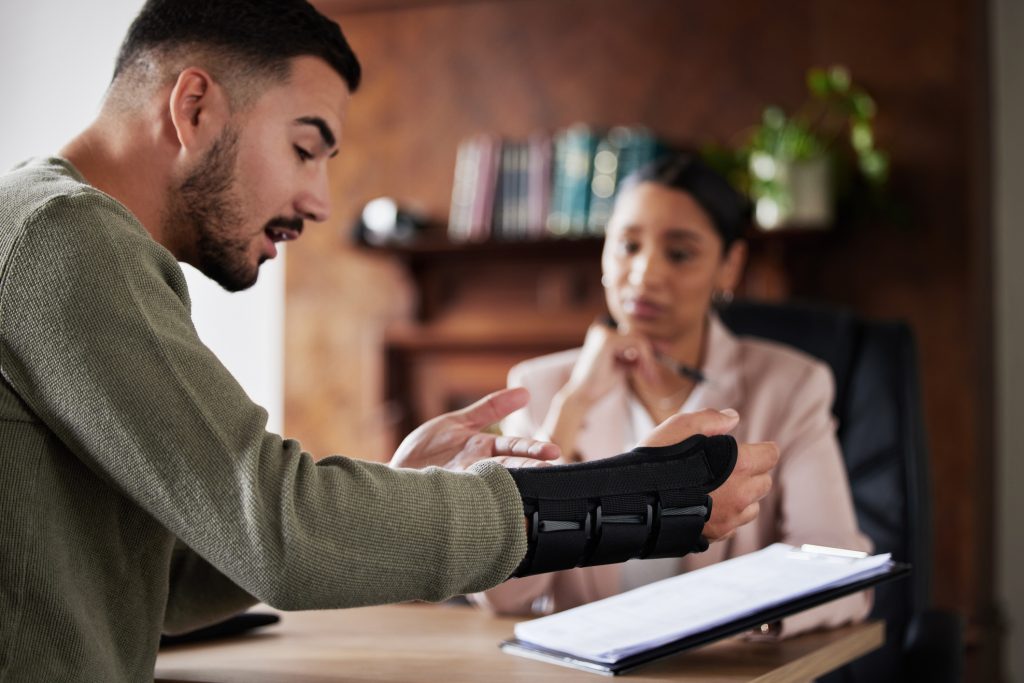
Personal injury claims can be extremely difficult for people seeking justice. In Florida, personal injury cases have seen a significant rise, with the state recording over 394,836 traffic crashes resulting in injuries in 2023, according to the Florida Department of Highway Safety and Motor Vehicles. The National Safety Council reports that preventable injuries cost Americans $1,283 billion in 2022, including medical expenses, lost wages, and other economic costs. These statistics point out the urgent need for proper legal representation in personal injury matters.
Victims rely on lawyers to guide them through the process and ensure they receive adequate compensation. Consulting a Florida personal injury lawyer can help you understand what this advocate brings to the table. There are many significant steps, from collecting evidence to negotiations, that enable lawyers to build strong cases for their clients.
Understanding the Client’s Situation
The first step involves listening and gathering information. Lawyers drill down to specifics to paint a picture of what occurred. Conducting this conversation at the outset of a case helps legal professionals identify facts and a chronology. It records injuries, psychological trauma, and loss of income. Attorneys document every detail to create a foundation for a comprehensive case.
Collecting Evidence
Evidence is the backbone of a good claim. Lawyers collect pictures, documents, witness statements, and crash reports. Additional details make the compensation case stronger. Attorneys usually rely on law enforcement records or video recordings. These documents help build the case narrative and corroborate the client's version of events.
Consulting Medical Experts
The extent of harm itself will be clarified by medical evidence. Lawyers work with medical providers to secure thorough injury evaluations. According to the American Bar Association, opinion testimony by experts is very influential in court. Doctors and other specialists can explain how these injuries happened and their immediate and long-term ramifications. They often have a direct impact on negotiations and even trial results.
Analyzing Liability
Identifying who is liable is yet another critical step. In order to determine which parties may be liable, lawyers analyze the facts. They examine local regulations and legal precedents to back up their case. In some cases, several parties are to blame or contribute to the problem. Legal professionals strive to avoid missing a potential defendant in their review process.
Calculating Damages
Estimating losses requires careful attention. The attorneys account for medical expenses, forfeited income, damage to property, and mental agony. They project the present and future costs associated with the injury. Providing a complete picture of the real cost allows lawyers to obtain the correct compensation for their clients.
Building a Legal Strategy
Once the facts and evidence are gathered, the lawyers begin to strategize. They determine how the case is presented in negotiations or in front of a judge or jury. Arguments presented logically, all the way up from weakest to strongest points. Lawyers prepare responses to challenges from opposing parties. Such strategic preparation helps ensure a favorable outcome.
Negotiating With Insurance Companies
Insurance companies are almost always involved in personal injury claims. Lawyers approach these entities with a catalog of organized demands. They make their case and request full reimbursement. Negotiation is a long process that requires perseverance. Legal professionals are tenacious in refusing to let clients accept less than what they rightfully deserve.
Preparing for Trial
There are many cases where people fail to reach an amicable settlement through negotiation. In those cases, the case often goes before a judge. To prosecute a case, attorneys organize evidence, interview witnesses, and practice their arguments. This preparation may include putting together diagrams or picking the papers that will most convincingly influence the judge or jury.
Presenting the Case in Court
Courtroom advocacy is about skill and practice. Attorneys present, interrogate, and craft arguments. They adhere to clear protocols to make sure that the case will not run into problems. Each detail, from opening statements to closing arguments, is designed to persuade the individuals making the decision of the client's position.
Conclusion
There is much more to building a strong case than just the evidence. To achieve just results, personal injury lawyers blend compassion, knowledge, and determination. They focus on collecting evidence, hiring experts, and negotiating expertly for injured clients. It takes careful attention and a dedication to the details for these professionals to take clients through an experience that allows them to not only get justice but also move on and get on with their lives.