Understand Your Rights. Solve Your Legal Problems



A dramatic demonstration flight at the Dubai Air Show turned fatal when an Indian HAL Tejas fighter jet plunged into the ground at Al Maktoum International Airport, killing the pilot and sending a column of smoke across the airfield.
The crash happened around 2:10 p.m. local time, moments after the aircraft had made several high-speed passes over thousands of spectators.
The Indian Air Force confirmed the pilot’s death, calling it a tragic loss at one of the world’s most closely watched aviation showcases. The Tejas had been a centrepiece of India’s military display, heightening attention on the disaster and the questions it now raises about what went wrong in the seconds before impact.
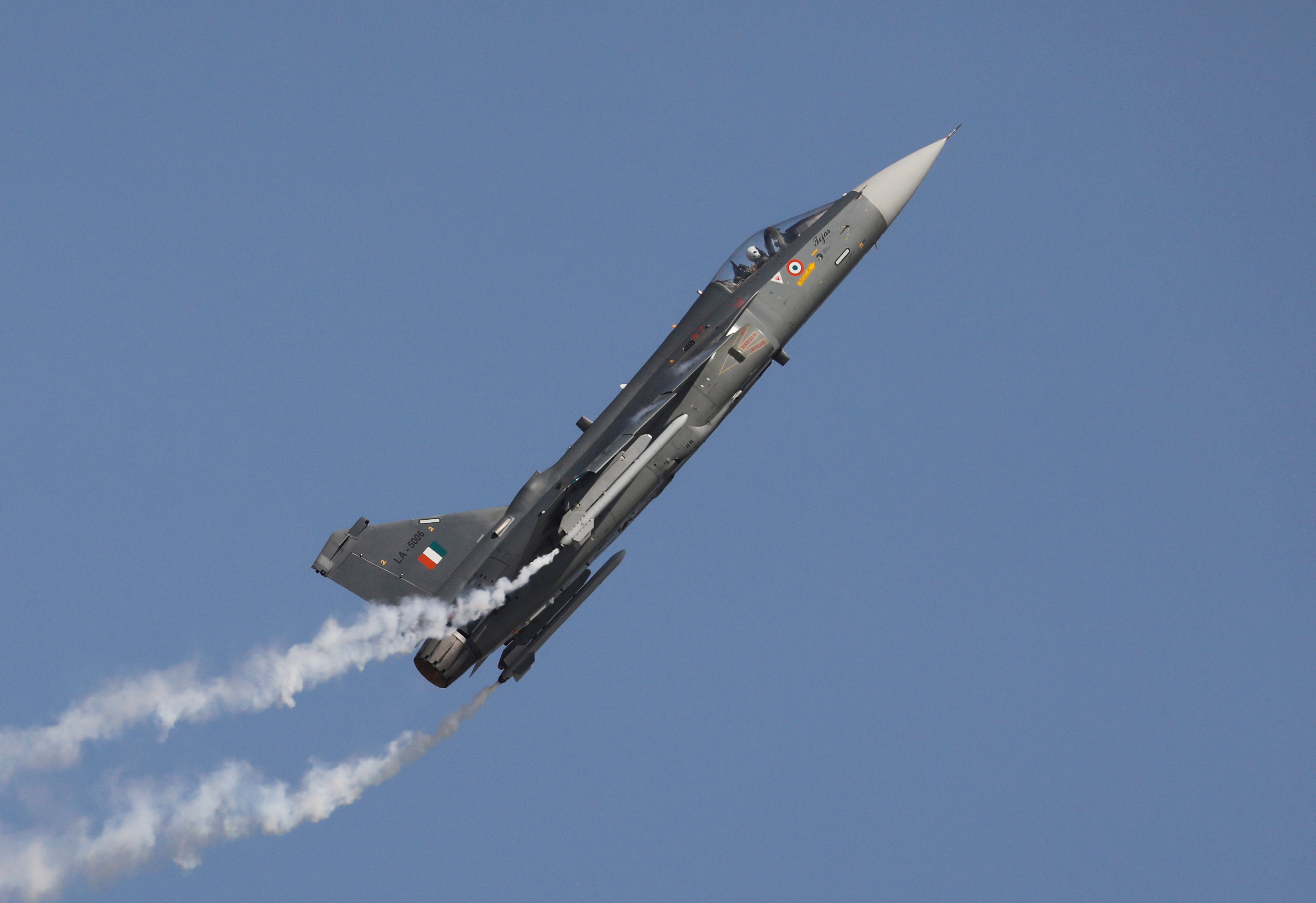
An Indian HAL Tejas fighter jet climbs sharply during an aerobatic demonstration, similar to the maneuvers performed at the Dubai Air Show before the fatal crash.
People on the ground described an abrupt change in the jet’s movement just before it angled sharply downward. The aircraft struck the ground inside the air-show perimeter, prompting emergency crews to rush across the tarmac as black smoke drifted over the stands.
The crash site was quickly sealed off while responders worked to secure debris and ensure spectators were safe.
"General Anil Chauhan, CDS and all ranks of Indian Armed Forces deeply regret the incident in which an IAF Tejas aircraft met with an accident during an aerial display at Dubai Air Show, today. The pilot sustained fatal injuries in the accident. We deeply regret the loss of life and stand firmly with the bereaved family in this time of grief," the Integrated Defence Staff said in a statement.
Witness accounts and footage suggest the pilot may have encountered difficulty recovering after a negative-G maneuver — a move where the aircraft briefly experiences force in the opposite direction of gravity. The Tejas is designed to handle negative-G actions, but the jet appeared to enter a rapid descent with no visible glide before impact. Investigators will determine the exact sequence of events once they analyze flight data and video evidence.
The accident occurred inside the Dubai Air Show’s flight zone at Al Maktoum International Airport, a major hub that hosts the biennial event. The air show is considered one of the world’s premier aviation and defence exhibitions, drawing global delegations and tight safety oversight. Serious incidents at the event are rare, which has added to the shock surrounding the crash.
The HAL Tejas is a domestically built light combat aircraft that represents one of India’s most significant military aviation projects. The jet’s presence in Dubai was intended to showcase India’s growing aerospace capabilities.
The crash also follows recent social-media speculation about the aircraft, which Indian officials publicly dismissed as false the day before the incident. Authorities have not indicated whether any earlier concerns were linked to the aircraft involved.
After a fatal crash at a public air show, investigators follow a strict, structured process used in aviation worldwide. A court of inquiry examines flight data, maintenance logs, debris patterns, pilot records, weather conditions, and available video evidence.
The goal is not to assign blame quickly but to determine the cause using verifiable technical findings. Investigators secure the wreckage, collect physical components for analysis, and interview witnesses. These steps help determine whether mechanical failure, human factors, or other issues played a role.
The Indian Air Force has launched a formal inquiry, and aviation officials in the UAE will contribute their own findings from the crash site. Both sides will compare data, review recordings from the demonstration flight, and determine whether additional safety measures are needed before similar aircraft return to public air displays.
More information is expected once investigators complete their initial assessment of the wreckage.
Authorities have reported no additional injuries. The crash occurred away from spectator seating and emergency teams responded immediately.
Air shows typically continue after a safety review, but organisers have not yet confirmed any schedule changes.
A Tejas fighter jet crashed in India last year, but the pilot survived. Fatal incidents involving this aircraft are rare.
It is a formal process that collects evidence, reviews technical data, and determines the cause of the crash without offering legal judgments or blaming individuals prematurely.
👉 In Focus: Britain’s Hidden Dilemma: Why Thousands of Foreign National Offenders Remain in the UK After Their Sentences End 👈