How the 2026 GRAMMYs Exposed the Ugly Truth About Music Ownership — and Who Really Profits
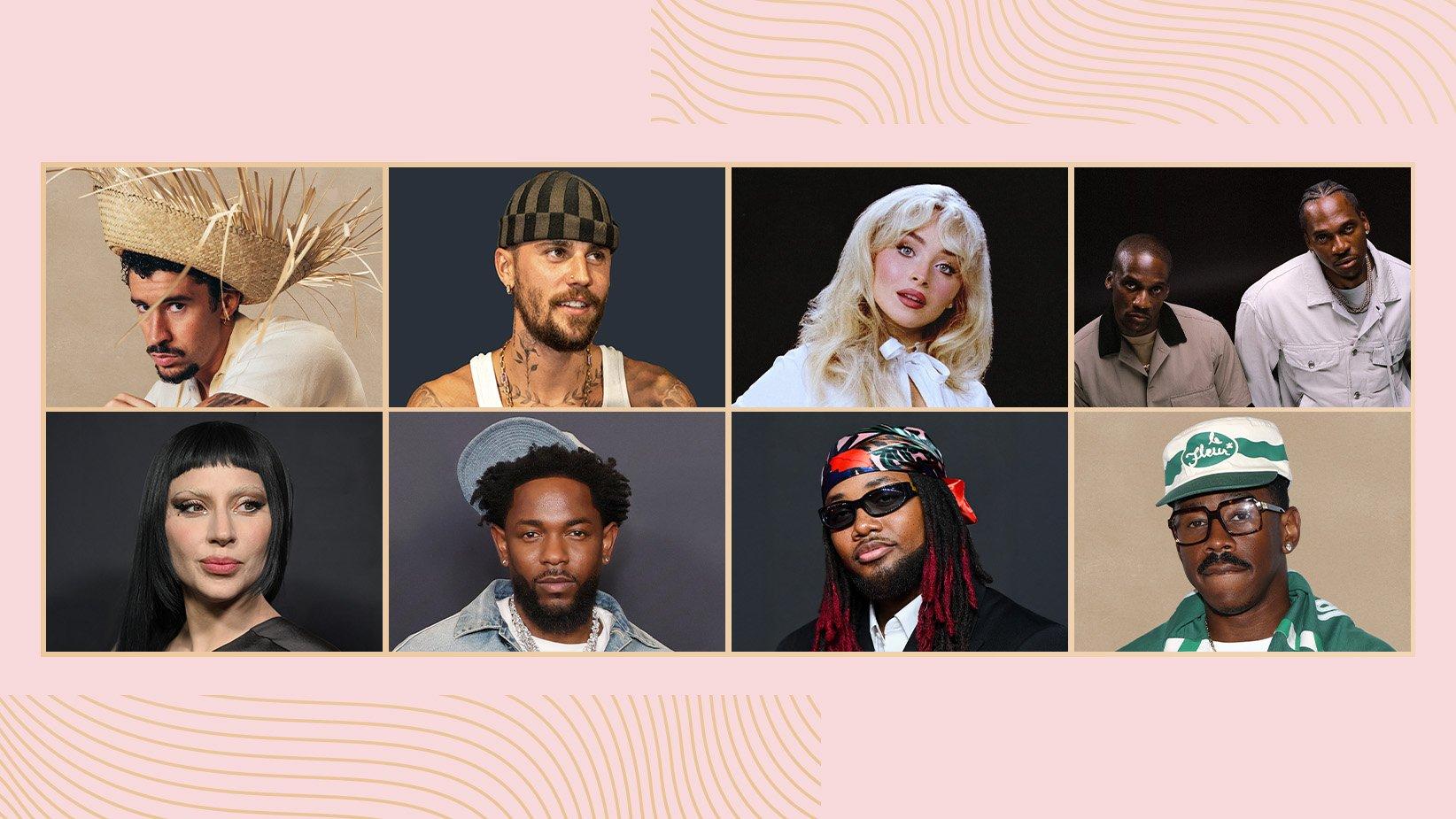
The 2026 GRAMMY Awards are shaping up to be one of the most controversial in years — not for who’s performing or who’s snubbed, but for what the nominations quietly revealed about the state of the music industry. On Sunday, February 1, 2026, when Bad Bunny, Kendrick Lamar, Lady Gaga, Justin Bieber, and Sabrina Carpenter take the stage at Crypto.com Arena, they won’t just be competing for golden trophies. They’ll be standing at the center of a growing legal reckoning — one that asks a simple but explosive question: Who really owns the music?
The Year the Illusion Cracked
For decades, the GRAMMYs have celebrated artistry, but 2026 has forced the world to look beneath the glamour. Every Album of the Year nominee this year — from Tyler, the Creator’s introspective Chromakopia to Bad Bunny’s Puerto Rican powerhouse DeBí Tirar Más Fotos — tells a story of independence, control, and financial survival in a system designed to reward everyone but the artist.
Behind every hit is a tangle of contracts, publishing clauses, and streaming splits so complex that even the artists themselves rarely understand how little they actually earn.
According to Jeff Becker, entertainment attorney at Swanson, Martin & Bell LLP, artists who self-finance and distribute their own work are now shaping the mainstream market — a trend he told Billboard has “serious implications for copyright ownership, licensing, and royalty recovery” across the industry.
This year’s nominations tell that story better than any press release.
From Artistry to Accounting: When Fame Becomes a Legal Battle
Justin Bieber’s comeback album SWAG is a perfect example. Beneath the glossy surface lies a quiet revolution: Bieber released the record outside of longtime manager Scooter Braun’s empire, regaining control of his master recordings for the first time in over a decade. It was a symbolic move — and a legally strategic one.
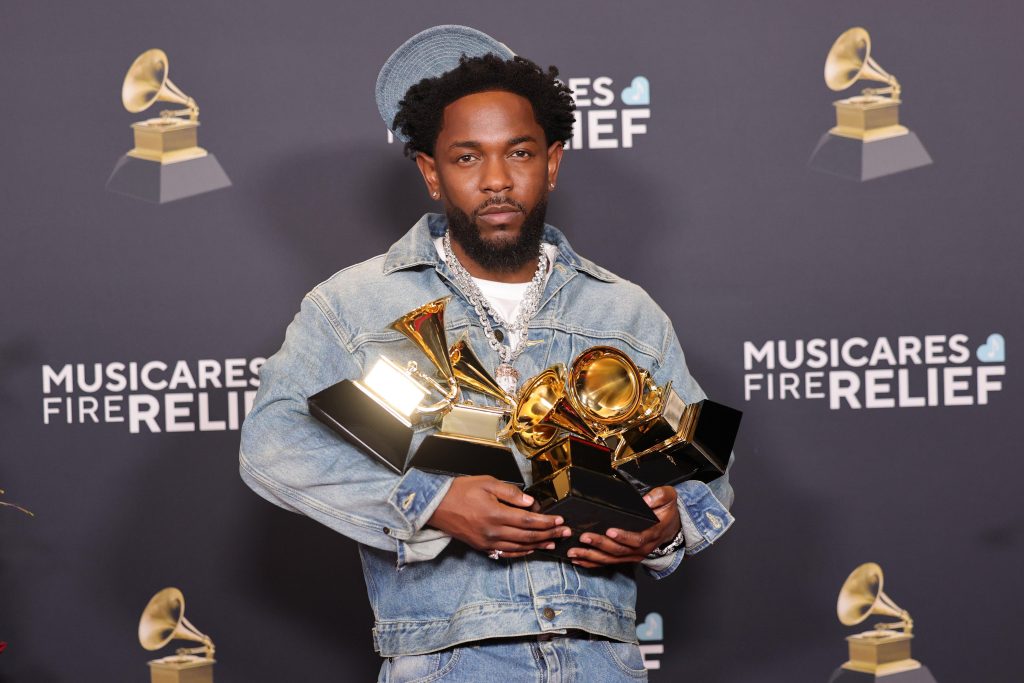
Kendrick Lamar’s GNX marks another milestone. It’s his first album under pgLang, the independent label he co-founded after leaving Top Dawg Entertainment. In the language of contract law, Lamar has moved from being “an artist” to being “a rights holder” — a shift that could redefine his earnings for the next 50 years.
Meanwhile, Lady Gaga’s MAYHEM blends chaos and control, reflecting her long fight to escape restrictive publishing deals early in her career. And Bad Bunny, who recorded entirely in Puerto Rico, released his record independently through his own label. For the first time, all Album of the Year contenders have significant creative control — and that’s not a coincidence.
The Legal Core: Who Owns a Song in 2026?
Copyright in the Age of Streaming
Under the U.S. Copyright Act of 1976, an artist automatically owns the copyright to their work upon creation. But in practice, most artists sign contracts that assign those rights to record labels — exchanging ownership for financial backing and distribution.
In the streaming era, that bargain has grown toxic. Platforms like Spotify and Apple Music pay fractions of a cent per stream, and most of that revenue flows first to labels, then publishers, then finally to the artist — often pennies on the dollar.
As independent distribution has become easier, major stars are walking away from traditional contracts. Lamar, Bad Bunny, and even pop newcomer Sabrina Carpenter have shifted toward hybrid deals or self-ownership models that give them leverage over their masters.
“Every artist nominated this year understands that creativity is business,” said Deborah Mannis-Gardner, one of the music industry’s leading rights-clearance attorneys, in a 2025 Rolling Stone interview. “Protecting your work legally is as vital as writing the music itself.”
Why This Matters to Fans
It’s not just about artist paychecks — it’s about what listeners get to hear. When labels control rights, they can block releases, delay reissues, or even withhold songs over financial disputes. Ownership affects legacy, access, and preservation. Fans streaming an artist’s work might unknowingly be funding corporations that own the artist’s catalog — not the artist themselves.
The Business of Control
The Recording Industry Association of America (RIAA) estimates that over 70% of all music streams in 2025 were controlled by just three companies: Universal Music Group, Sony Music Entertainment, and Warner Music Group. Each commands massive leverage over platforms and licensing — giving them near-total control over what reaches audiences and how much artists earn.
Even at the GRAMMYs, that imbalance is visible. Independent artists may be celebrated on stage, but the licensing, distribution, and broadcast rights often remain in corporate hands.
For decades, this was considered the cost of fame. Now, with digital platforms offering alternatives, that logic is collapsing.
When Artists Become Entrepreneurs
Ownership is no longer a luxury — it’s survival. Independent distribution platforms like DistroKid, TuneCore, and UnitedMasters have given artists the ability to upload, monetize, and track their own music in real time. It’s a quiet legal revolution that’s forcing record labels to rewrite their contracts — or risk irrelevance.
According to Bloomberg Law, new recording deals increasingly include “reversion clauses”, allowing artists to reclaim their master rights after a set number of years — something unheard of a generation ago.
“We’re watching a seismic legal shift,” says Tamara Bennett, an intellectual property attorney at Bennett Law Office in Texas who frequently writes for the ABA’s Intellectual Property Law Section. She notes that more artists are scrutinizing contracts and reclaiming their rights in ways that were almost unheard of a decade ago.
This evolution also brings complexity. Artists must now navigate trademark filings, publishing splits, and international copyright registration — legal terrain that once belonged exclusively to corporate lawyers.
What the 2026 GRAMMYs Really Reveal
Beneath the sequins and speeches, this year’s GRAMMYs are a referendum on ownership. Bad Bunny’s independence, Lamar’s business savvy, and Gaga’s longevity all signal the same truth: the power dynamic between artist and industry is changing — fast.
Yet the system remains stacked. Even when artists own their masters, streaming services often control data, algorithms, and royalties. Transparency is improving, but exploitation has simply evolved.
As entertainment lawyer Deborah Mannis-Gardner explained in Rolling Stone (2025), “Music ownership has become an act of self-determination — where creative voice, business strategy, and legal control converge.” That intersection is now the fault line running through the GRAMMYs — one that could reshape how creative industries handle ownership for decades to come.
That intersection is now the fault line running through the GRAMMYs — one that could reshape how creative industries handle ownership for decades to come.
So What Does This Mean for You?
If you’re a musician, the takeaway is simple: understand your contracts, register your works, and retain your masters wherever possible. If you’re a fan, consider where you stream and who benefits. Ownership determines not just who profits — but who gets to tell their story.
The GRAMMYs may hand out trophies, but 2026 will be remembered for something else entirely: the moment the world finally saw behind the curtain and realized that music’s biggest night was really a legal battle for its soul.
GRAMMYS FAQ's
Who actually owns the music artists record?
Usually, labels own the “master recordings,” unless the artist negotiates otherwise. Newer deals often include reversion clauses allowing ownership to return to the artist.
Why are independent artists winning more GRAMMYs?
Because the Recording Academy has started rewarding creative control and originality — qualities tied directly to self-ownership and authenticity.
Can artists get their music rights back?
Yes. Under U.S. law, artists can reclaim their copyrights after 35 years in many cases, though it requires legal action and formal filings.