Understand Your Rights. Solve Your Legal Problems


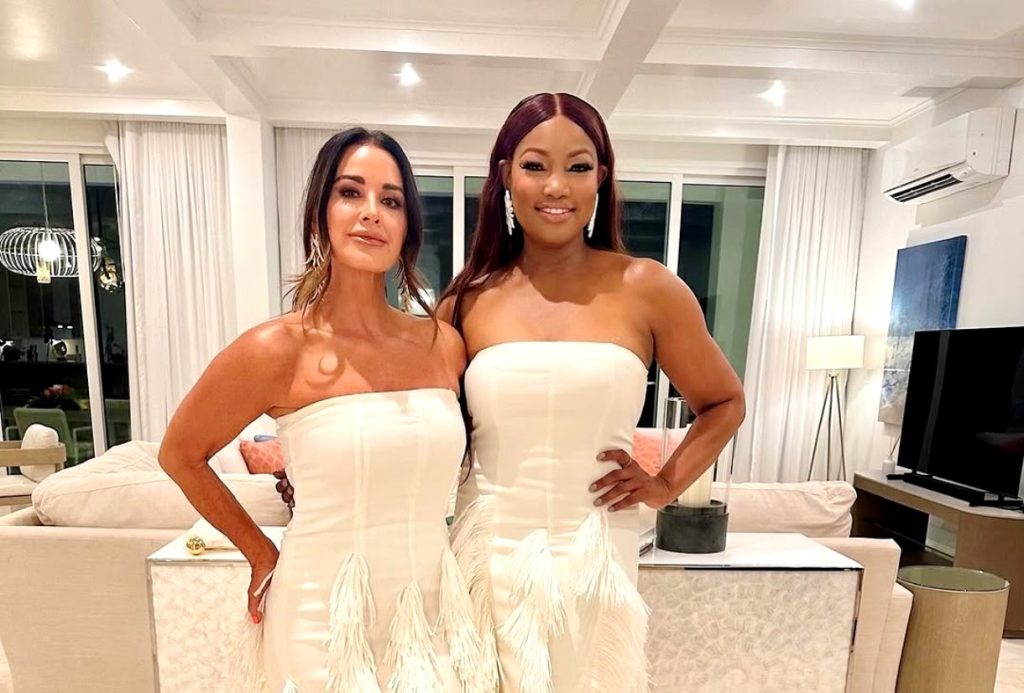
Former Real Housewives of Beverly Hills star Garcelle Beauvais has broken her silence on her relationship with Kyle Richards reviving public discussion not only about their friendship but also about the legal fine print that governs what reality TV stars can say after leaving a show.
Under the network’s strict non-disparagement and confidentiality clauses, cast members often face limits on how candidly they can discuss former co-stars once production ends—a tension Beauvais acknowledged during her October 23 appearance on Watch What Happens Live with Andy Cohen.
Beauvais admitted that while her friendship with fellow castmate Sutton Stracke has ended, she isn’t ruling out reconnecting with Kyle Richards. “Maybe Kyle,” she said when asked if there was anyone from the show she’d still consider a friend.
Her brief but telling answer came after months of speculation about behind-the-scenes tension that persisted even after her Season 14 exit.
For longtime viewers, the exchange wasn’t just personal—it highlighted how the boundaries of speech, privacy, and contract law now shape reality television’s biggest franchises.
When Garcelle Beauvais, 57, confirmed her departure from the Bravo hit earlier this year, she joined a growing list of Real Housewives alumni who have walked away citing exhaustion, evolving priorities, and the emotional cost of public scrutiny.
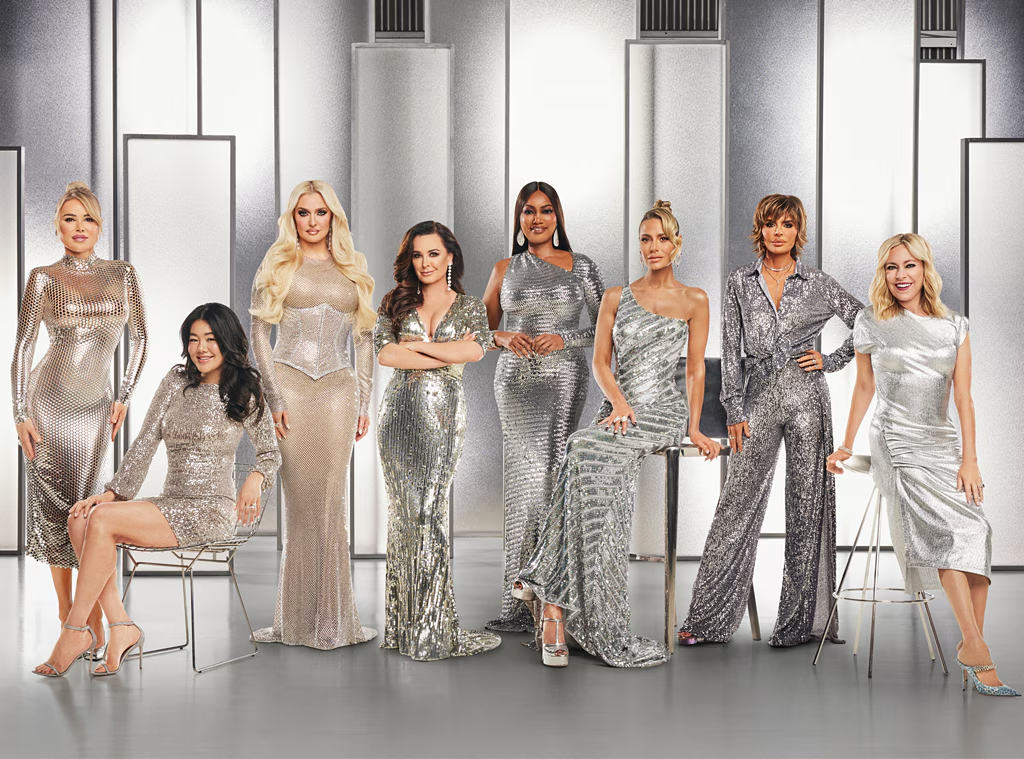
The cast of The Real Housewives of Beverly Hills pictured during a promotional shoot, showcasing the luxury and drama that define the long-running reality series.
Beauvais — a Haitian-American actress, model, and television personality known for her roles in The Jamie Foxx Show and Coming to America — brought a grounded and outspoken energy to the ensemble when she joined in 2020.
Kyle Richards, 55, a founding member of the franchise, reacted with warmth when Beauvais announced she was leaving. “It’s unfortunate she left, but I do wish her the best,” Richards said in April. “She’ll always do well, so I’m not worried about her next chapter.”
Yet, even kind words haven’t erased the tension. Richards later revealed on Amazon Live that she had reached out to Beauvais but hadn’t received a response.
“I’m not really sure why, because we didn’t have any issues all season,” she said at the time. “I was surprised by some things she said in interviews. But I’m disappointed she won’t be returning.”
Despite these mixed messages, there seems to be no lasting animosity. Richards’ sister, Kathy Hilton, said that she and Beauvais had seen each other socially since the Season 14 reunion. “I love and adore her,” Hilton said.
“We had dinner and caught up. She’s a wonderful person.”
For many viewers, the interactions between these women offer a rare glimpse into how reality television’s public conflicts intersect with private reconciliation and the legal and contractual systems that underpin that blurred line.
The public often assumes reality shows capture unscripted moments of genuine emotion — but behind the scenes, contracts govern nearly every aspect of a cast member’s participation.
From image rights to post-show confidentiality, The Real Housewives franchise operates under detailed agreements designed to protect production companies from defamation suits and to maintain control over the show’s narrative.
According to a 2024 Variety report, most Bravo cast contracts include “morality clauses,” which allow producers to terminate agreements if a participant’s behavior risks damaging the show’s brand. In addition, non-disparagement provisions can restrict what cast members say publicly about each other or the production, even after leaving.
Legal experts have repeatedly warned that disputes between castmates — like those that often surface in Bravo reunions or social media spats — can tread dangerously close to defamation if private allegations are made without evidence.
“Reality television stars live in a unique legal gray zone,” entertainment attorney Neama Rahmani said earlier this year. “They sign away certain privacy rights while remaining liable for statements made about one another. The tension between contractual consent and personal reputation is constant.”
Under U.S. law, defamation occurs when a false statement harms someone’s reputation. While public figures like Richards and Beauvais face a higher bar — requiring proof of “actual malice” — the reputational damage from televised disputes can be swift and long-lasting.
The Real Housewives franchise, in particular, has faced multiple defamation-related disputes over the years.
In 2023, former RHONJ star Jennifer Aydin threatened legal action after claims about her marriage were aired, while RHOC alum Tamra Judge previously won a partial dismissal in a defamation countersuit filed by a co-star.
Legal analysts say Bravo’s production model, which thrives on interpersonal conflict, relies heavily on carefully crafted consent clauses.
“When participants sign these contracts, they acknowledge that their words and actions can be edited for entertainment,” said UCLA law professor Eugene Volokh in a 2022 interview with NPR. “But that doesn’t make them immune from defamation liability if statements cross certain factual lines.”
You don’t have to be a reality TV star to face similar reputational risks. Social media users who make false or harmful claims about others — even in casual comments can be held legally responsible.
Defamation law, while designed for fairness, increasingly extends to online spaces where tone, intent, and context are often misunderstood.
If someone feels they’ve been misrepresented online, they can:
Request a retraction or correction before escalating to legal action.
Consult a media attorney about whether statements meet the legal standard for defamation.
Preserve digital evidence, including screenshots and timestamps.
As digital communication blurs public and private boundaries, the lessons of Real Housewives — exaggerated though they may seem — reflect the legal realities ordinary people now face.
While Bravo has confirmed that The Real Housewives of Beverly Hills will return for Season 15 on December 4, Beauvais will not appear in the new season. Still, her recent comments suggest that closure, rather than conflict, may define her post-Bravo era.
Her acknowledgment of Kyle Richards, brief though it was, resonated with fans longing for reconciliation in a show often defined by division.
“Maybe Kyle,” Beauvais said with a laugh, but those two words carried the weight of years of televised friendship, public disagreements, and off-camera realities.
Reality television thrives on conflict, but Beauvais’ measured tone signaled something quieter: a desire for peace after years in the spotlight. In a franchise built on confrontation, that may be the most radical move of all.
For those considering contracts in entertainment or social media, legal professionals stress the importance of reading every clause carefully.
“Once you sign a release or NDA, you’re effectively granting the network broad rights to your likeness and statements,” explains entertainment lawyer Lisa Bloom. “It’s vital to understand where your freedom of speech ends and contractual obligations begin.”
In Beauvais’ case, her silence following outreach from Richards may not have been personal — it could just as easily reflect ongoing contractual or confidentiality restrictions, which often persist long after filming wraps.
What started as a reality TV friendship turned public feud now stands as a case study in how entertainment contracts shape modern narratives — and how legal frameworks influence even the most personal relationships.
For viewers, it’s a reminder that behind every “unscripted” moment lies a web of agreements balancing fame, privacy, and the right to speak freely.
And for Garcelle Beauvais and Kyle Richards, perhaps the next chapter won’t be written on camera, but on their own terms, beyond the reach of Bravo’s cameras and within the bounds of California law.
1. What legal rights do reality TV stars give up when they sign a production contract?
Reality TV participants typically sign extensive contracts granting producers broad rights to use their likeness, image, and recorded statements. These agreements often include non-disclosure, non-disparagement, and morality clauses, meaning cast members can’t publicly criticize the show or other participants without risking legal or financial penalties. According to Variety, these clauses help networks avoid defamation claims and reputational harm, though they also limit a star’s ability to speak freely once filming ends.
2. Can reality TV stars sue each other or the network for defamation?
Yes — but it’s difficult. Because they’re considered public figures, reality TV stars must prove “actual malice” to win a defamation case, meaning the false statement was made knowingly or with reckless disregard for the truth. Legal experts told Reuters that networks protect themselves with broad consent agreements allowing for edited or dramatized content, making successful lawsuits rare unless clear fabrication can be proven.
3. What should viewers learn about online defamation from these cases?
Everyday social media users face similar risks. Posting false or damaging claims about someone online can amount to digital defamation. Legal professionals recommend verifying facts before posting, preserving context, and removing harmful content promptly if challenged. As the ABA Journal notes, “the legal line between opinion and defamation is thinner online than most people realize.”