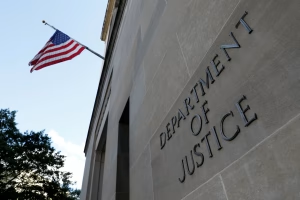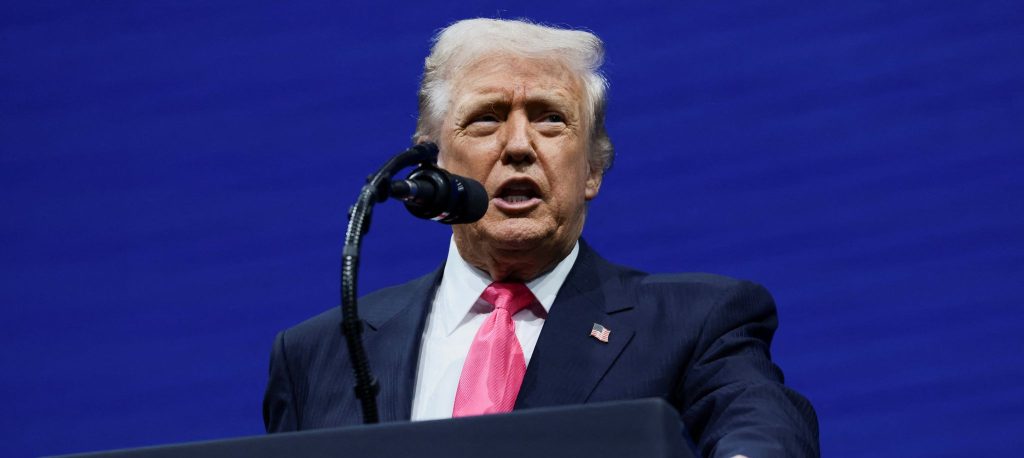
In a dramatic early-morning move from Washington, President Donald Trump has signed a bill forcing the US Justice Department to release its long-guarded files on Jeffrey Epstein within 30 days. The law compels disclosure of investigative records, prosecution and custody files, flight logs, internal DOJ communications, and documentation surrounding Epstein’s detention and death.
The decision caps days of feverish political pressure, near-unanimous votes in Congress, and growing unrest inside Trump’s own Make America Great Again movement. Survivors of Epstein’s abuse and their families are hailing the signing as a breakthrough moment, while attorneys and former officials are already bracing for a wave of questions about who is named in the documents and how much will be blacked out.
At the center of it all: Trump, the Justice Department, and a countdown clock now ticking toward a disclosure battle unlike anything seen in the Epstein saga so far.
Why Trump Signed the Epstein Files Bill After Calling It a ‘Hoax’
For months, Trump publicly dismissed demands to open the Epstein archive as a partisan stunt aimed at damaging him and other Republicans. That stance clashed with promises he made on the campaign trail to “release the Epstein files in full,” and created visible tension within his base.
Over the past week, that pressure exploded into the open. The House of Representatives voted 427–1 to force disclosure, a rare show of unity that drew applause on the floor. The Senate quickly followed, sending the bill to Trump’s desk with overwhelming bipartisan support.
Trump then flipped his position and announced online that he had signed the measure, using the moment to argue that Democrats, not Republicans, would be most exposed by a full release. His allies have leaned heavily on Epstein’s past connections to prominent Democratic figures, even as Trump’s own relationship with Epstein remains a focus of public scrutiny.
What the Law Forces the Justice Department to Release
The new law is unusually sweeping in what it demands from the Justice Department. Within 30 days, officials must begin releasing:
-
Investigative and prosecution files tied to Epstein’s criminal cases
-
Custody and detention records, including material related to his death in jail
-
All files referencing Ghislaine Maxwell
-
Flight logs and travel records for aircraft, vessels, or vehicles owned, operated, or used by Epstein or related entities
-
Documents naming individuals or entities linked to Epstein’s criminal activities, civil settlements, immunity or plea agreements, or investigations
-
Records of immunity deals, non-prosecution agreements, plea bargains, and sealed settlements involving Epstein or his associates
-
Internal DOJ communications about decisions to charge, not charge, investigate, or decline to investigate Epstein or his circle
-
Communications about missing, destroyed, altered, or concealed Epstein records
-
Documentation surrounding Epstein’s detention and death, including witness interviews and autopsy materials
This goes far beyond a simple document dump. It reaches inside the Justice Department’s decision-making process over many years, putting prosecutorial choices and internal debates under the microscope in a way that is rarely seen in public.
How Redactions and Releases Really Work in a Case Like This
As the 30-day deadline approaches, one legal question dominates: how much of this will the American public actually be allowed to read?
Under US law, agencies can release records while still redacting limited categories of information. In practical terms, that usually means:
Protecting Ongoing Investigations
If a document would expose active investigative steps or reveal tactics that could compromise a live case, specific passages can be withheld. This is one reason prosecutors almost never release full, live case files while investigations are still open.
Shielding Certain Private Individuals
Courts may permit redactions to protect the privacy of people who are not accused of crimes, even if their names appear in investigative files. This is especially sensitive in a case like Epstein’s, where documents may mention dozens of people who never faced charges.
Limiting Sensitive Security and Medical Details
Material such as detailed autopsy photographs, security camera locations, or internal prison protocols can be redacted to protect safety and institutional security, while still releasing the broader narrative and timelines.
Public Record, Even with Black Bars
Once released, even partially redacted documents generally remain part of the public record. Future legal challenges can sometimes force additional details to be unsealed, but that process can take months or years.
The core tension now is simple: the law demands maximum disclosure, but existing rules still allow targeted redactions. That collision between transparency and privacy is exactly where the next legal fights are likely to erupt.
Survivors, Political Fallout, and Global Names in the Spotlight
Epstein survivors and their families reacted with emotion and relief, framing the bill’s passage as a long-overdue step towards real accountability. The family of Virginia Giuffre, one of Epstein’s most prominent accusers, praised the signing as a historic moment and urged that “every name” tied to his operation be revealed, regardless of wealth or political power.
The political landscape around the scandal is deeply fractured. Within the MAGA movement, there has been open anger over any delay or hesitation in releasing the files. Republican congresswoman Marjorie Taylor Greene, a longtime Trump supporter who has recently clashed with him, appeared with survivors on the steps of the Capitol, praising their persistence and insisting their voices be heard.
Meanwhile, documents already released by a House committee have referenced Trump, former President Bill Clinton, the UK’s former US ambassador Lord Mandelson, and Andrew Mountbatten-Windsor, the former Prince Andrew. None of those figures have been charged with crimes in relation to the Epstein case, and all have denied wrongdoing while expressing regret over their association with Epstein.
👉 Latest: Andrew Mountbatten-Windsor Faces Congress Deadline Over Epstein Ties Amid New UK Pressure 👈
Former US treasury secretary Larry Summers, whose name also appeared in released materials, announced he would withdraw from public life and said he was deeply ashamed of his past connection to Epstein.
What Happens Next Legally: The 30-Day Deadline and Potential Court Battles
The key legal clock now running is the 30-day window given to the Justice Department. During that period, officials must review, organize, and release large volumes of Epstein-related material in a way that complies with the new law and existing privacy and criminal procedure rules.
In previous high-profile document releases involving government records, disputes over what can be redacted have sometimes ended up in court. Judges may be asked to decide whether certain blacked-out sections are truly justified or whether more detail must be made public. That kind of legal fight is entirely possible here, given the intense public interest and the number of powerful people whose names appear in the files.
For now, the immediate focus is on how quickly the DOJ moves, how heavily the documents are redacted, and whether Congress or outside groups challenge any decisions to keep material hidden. Whatever happens next, the department’s handling of the Epstein archive is already under a spotlight that will only grow brighter as the deadline approaches.
FAQs: What People Are Asking About the Epstein Files Release
When will the Epstein documents be released?
The Justice Department has 30 days from the moment President Trump signed the bill to release the Epstein files. That timeline is written directly into the law, putting firm pressure on the DOJ to move quickly.
Will all of the Epstein files be fully public?
No. The law requires broad disclosure, but existing rules still allow limited redactions to protect ongoing investigations, certain privacy interests, and sensitive security or medical information. The public should expect to see some blacked-out sections in the first wave of documents.
Can the DOJ refuse to release specific records?
The Justice Department must follow the law and release the categories of documents listed in the bill. It can withhold or redact only where other legal protections apply, such as active investigations or court orders. Any decision to withhold information could be challenged and reviewed by a court.
Could the release of these files lead to new legal action?
Releasing records does not automatically create new criminal charges. Prosecutors can only bring cases if the evidence meets legal standards for proving crimes in court. Whether further action is taken will depend entirely on what the documents show and how investigators and courts interpret that evidence.