Understand Your Rights. Solve Your Legal Problems



Sean “Diddy” Combs, once a symbol of wealth and control, is now just another inmate waiting in line for a razor.
The 56-year-old hip-hop mogul began his four-year federal sentence on October 30 at FCI Fort Dix, New Jersey, following his conviction on two counts of transporting individuals for prostitution and is now potentially facing a loss of phone privileges for allegedly making an unauthorized three-person call shortly after being transferred to Fort Dix.
Two weeks in, sources say the man who once arrived at parties in private jets now walks the prison corridors with a shaven head, tired eyes, and the faint smell of bleach instead of designer cologne.
According to a November 10 CBS News report, Combs has been assigned to the chapel library as a chaplain’s assistant — considered a “desirable” position among inmates. His publicist calls it “warm and respectful,” but others describe it differently: humbling.
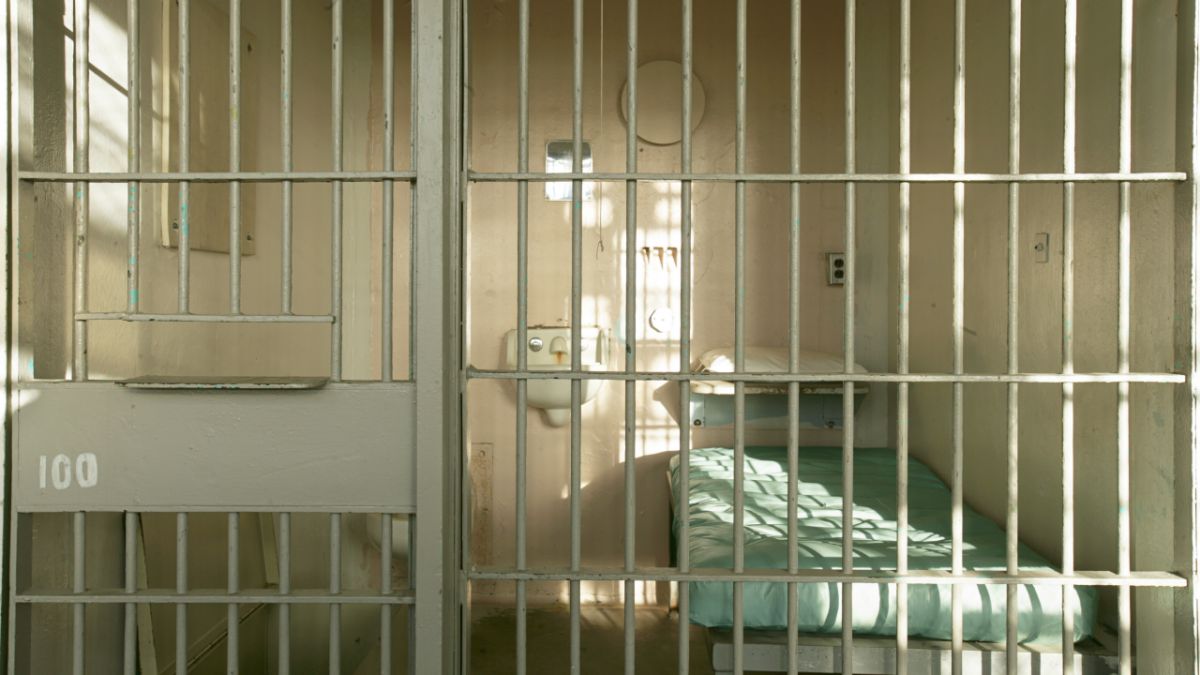
A typical cell at FCI Fort Dix offers basic furnishings — a bunk bed, metal desk, and limited privacy — reflecting the regimented daily life faced by inmates inside the low-security federal prison.
Behind bars, image control disappears. Fellow inmates reportedly tease Combs about his uneven hairline, faded tattoos, and the way prison uniforms swallow his once-tailored frame. One insider joked, “He used to pay people to wash his sneakers — now he’s scrubbing floors for free.”
Social media has turned the humiliation into spectacle. Memes comparing his Met Gala looks to grainy prison sketches have racked up millions of views. One viral tweet read: “From Cîroc to commissary — karma served cold.”
For many, the mockery feels like justice. For others, it feels like America’s favorite ritual: watching the mighty fall.

Diddy’s legal downfall began with sex — and that shadow still follows him. Once notorious for lavish parties and whispered scandals, he now lives in an environment that strips sexual autonomy to the core.
According to the Bureau of Justice Statistics, approximately 1.2 substantiated sexual assault incidents per 1,000 inmates occur annually in U.S. adult prisons (BJS, 2020). Inmate-on-inmate assaults remain a persistent concern despite the Prison Rape Elimination Act (PREA) standards introduced in 2003.
Inside prison walls, sex isn’t permitted — but that doesn’t mean it doesn’t happen.
Under federal prison law (28 CFR § 541.3), any sexual activity between inmates is classified as a high-severity prohibited act, even if both claim it was consensual. The logic is simple: power, fear, and dependency make genuine consent nearly impossible.
Inmates caught engaging in sexual behavior can face solitary confinement, loss of privileges, or even new criminal charges under state law. Sex between staff and inmates is treated even more harshly — it’s a felony offense under 18 U.S.C. § 2243(b), carrying penalties of up to 15 years in prison.
Still, reality tells a different story. The Bureau of Justice Statistics estimates that roughly 1.2 sexual assaults per 1,000 inmates are confirmed each year in U.S. correctional facilities — and advocacy groups believe the real number is far higher. Most incidents involve staff misconduct, not inmate-on-inmate contact.
For Diddy, whose past is tangled with sexual controversy, the irony is striking: he’s now in a system where sexual expression is criminalized, controlled, and surveilled. The man once accused of excess now lives under total deprivation — where even the faintest whisper of sexual contact could trigger punishment, scandal, or danger.
At Fort Dix, Diddy’s days are ruled by structure. Wake-up calls at 5 a.m. Meals at 6. Half the day in chapel duty, the other half in the Residential Drug Abuse Program (RDAP) — an intensive cognitive-behavioral therapy course designed to treat addiction and reduce recidivism.
He’s not the first celebrity to join RDAP — or to see it as both survival and strategy. Completion can shave up to a year off a sentence, but the process is grueling: therapy circles, written reflections, accountability exercises.

Inmates at federal facilities are increasingly enrolling in computer literacy and coding programs — part of a growing push to equip prisoners with digital skills for life after release.
Psychologists call it status collapse — the abrupt loss of social dominance. For Combs, humiliation may be more punishing than prison itself.
Even basic hygiene becomes symbolic. The once-manicured mogul must share showers, wear ill-fitting clothes, and ration commissary soap. What used to be image maintenance is now survival routine.
In early November, Diddy reportedly violated a Bureau of Prisons rule by joining a three-person phone call.
Under 28 CFR § 540.102, inmates may communicate with attorneys through unmonitored calls only if verified; conference calls are prohibited. CBS News, citing prison documents, reported that Combs is potentially facing a loss of phone privileges for allegedly making an unauthorized three-person call shortly after being transferred to Fort Dix.
Combs' spokesperson, Juda Engelmayer, says the call had been initiated by an attorney and also revealed where the Bad Boy Records founder is working behind bars
“He is in the drug treatment program and he is working in the chapel library," Engelmayer says. "The phone call he was on was initiated by an attorney and it was attorney client privilege and appropriate.”
Prison documents recommend a 90-day suspension of phone and commissary privileges — a disciplinary action that, while minor, carries heavy optics.
For those entering federal custody — especially public figures — the rule is simple: compliance equals survival.
Q: Can a celebrity inmate like Diddy get special treatment?
A: Not officially. But visibility often triggers stricter enforcement, not leniency.
Q: What is RDAP and how can it shorten a sentence?
A: RDAP is a nine-month cognitive therapy program. Successful completion can reduce sentences by up to one year under 18 U.S.C. § 3621(e).
Q: Are sexual assaults common in federal prisons?
A: The Bureau of Justice Statistics reports roughly 1.2 substantiated incidents per 1,000 inmates annually — but experts say many cases go unreported.
Q: What happens if Diddy breaks another rule?
A: Disciplinary infractions can delay early-release eligibility, revoke RDAP benefits, or affect parole review outcomes.
For Sean Combs, the walls of Fort Dix hold more than punishment — they hold exposure. The world that once fed on his power now feeds on his downfall.
But humiliation can be both a weapon and a mirror. If prison strips away what’s performative, maybe what’s left is real accountability — or just another reinvention waiting for release.
Either way, the man who once ruled pop culture by excess now embodies the one thing fame could never give him: forced humility.