Understand Your Rights. Solve Your Legal Problems


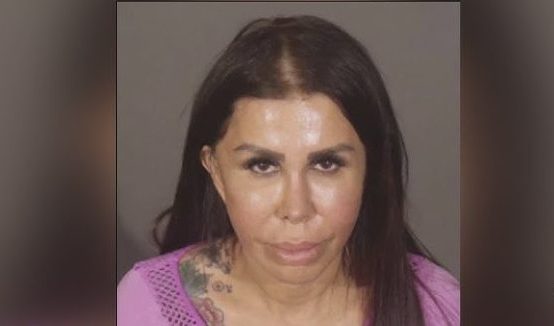
A Los Angeles County jury has found 55-year-old Libby Adame guilty of second-degree murder and unlawful medical practice, marking a rare criminal conviction for an unlicensed cosmetic procedure resulting in death.
Prosecutors said Adame illegally injected liquid silicone into the buttocks of actress Cindyana Santangelo at her Malibu home on March 24, 2025, causing a fatal pulmonary embolism within hours.
Born and raised in Southern California, Cindyana Santangelo built a modest acting career and later turned her focus toward sobriety and charity work.
Adame, a Riverside County resident known in underground circles as “La Tía” or the “butt lady,” offered low-cost silicone injections outside of licensed medical facilities—a practice long flagged by regulators.
Her conviction underscores a growing pattern of illegal cosmetic procedures going tragically wrong. For anyone researching illegal butt lifts, silicone injection liability or unlicensed medical practice in California, this case serves as a dire warning.
In the hours before her death, Santangelo met with Adame at her Malibu residence for a consultation and subsequent injection.
According to court filings and surveillance evidence, the actress began experiencing laboured breathing shortly after the procedure, developed bleeding at the injection sites and collapsed while Adame reportedly retrieved her equipment and left the scene.
At trial, prosecutors presented text messages between Adame and Santangelo discussing price and timing, aiming to prove Adame personally administered the silicone rather than merely consulting.
Meanwhile, Adame’s defence argued she did not perform the injection, claiming Santangelo had pre-existing bandages and that another provider could have been responsible. The jury rejected this argument, deliberating just over a day before delivering a guilty verdict.
Importantly, this was not Adame’s first run-in with the law: in 2019, a 26-year-old woman, Karissa Rajpaul, died after a similar illegal butt-augmentation when Adame and her daughter were later convicted of involuntary manslaughter.
Judge Sam Ohta denied a defence motion for a new trial, finding sufficient “probative evidence” to support the verdict, and on November 5, 2025, sentenced Adame to 15 years-to-life in prison.
What makes this case notable is how it bridges the domains of unregulated cosmetic procedures, vulnerable clients seeking body-modification, and the worst consequences of unlicensed medical practice.
The use of injectable silicone for buttock enhancement is not approved by the Food and Drug Administration (FDA); the agency has issued warnings that it can lead to pain, infections, scarring, embolism and death.
The demand for cosmetic “butt lifts” outside of licensed clinics—especially at low cost—creates opportunities for unlicensed providers to operate clandestinely.
Victims often feel pressure from social-media-influenced ideals, and may neglect to verify credentials or full risks.
For law enforcement, regulators and consumers alike, this case signals a reckoning: practitioners who masquerade as medical professionals—and clients who bypass licensed care—face potentially fatal outcomes.
Under California law, it is a crime to practice medicine without a valid license.
Specifically, Business and Professions Code 2052 makes it a public offence for a person to “practice, attempt to practice, or advertise or hold himself out as practicing any system or mode of treating … any ailment, deformity, disease, disfigurement, injury or other physical or mental condition” without a valid certificate.
Penalties can reach up to three years in jail and a $10,000 fine when charged as a felony.
In addition, the act of injecting liquid silicone for cosmetic enhancement (especially outside licensed settings) may trigger civil liability for negligence or wrongful death, criminal charges for manslaughter or, as in this case, second-degree murder.
That liability turns on proving a duty of care, breach, causation and damage — as well as in criminal settings, intent or reckless disregard.
Trust & credentials: Anyone considering cosmetic injections must verify the provider holds a valid medical licence and is operating in a regulated facility.
Risk awareness: Unapproved injectables like raw silicone carry risks of embolism, permanent disfigurement or death—even if administered “successfully” for some time.
Liability: Providers can face criminal charges (including murder) if the procedure causes death and meets the statutory elements of the offence. Victims or their families may also pursue wrongful-death lawsuits.
Regulatory gap: Even when working across borders (e.g., claiming to refer to practitioners in Mexico), California law may still apply if services are offered or performed for California residents. See BPC 2052’s broad reach.
Before any body-modification injection, ask to see the practitioner’s valid state medical licence, confirm the facility is certified for such procedures, request written risk disclosures, and understand that saving cost may carry enormous risk.
If you suspect someone is being treated by an unlicensed individual, you can report it to the Medical Board of California and law enforcement.
The unauthorised practice of medicine in California is a legal path to both criminal and civil liability—even fatal outcomes—so diligence and regulation matter.
This conviction highlights two broader trends: the rise of underground cosmetic practice driven by demand for low-cost enhancements, and the expanding reach of prosecutors to treat non-medical cosmetic injections not just as malpractice, but as serious criminal wrongdoing when death occurs.
For regulators, it raises a red flag that “DIY” or low-overhead cosmetic procedures outside approved clinics can quickly lead to fatal consequences. For consumers, the lesson is urgent: glamour must not override safety or legitimacy.
For the brands, clinics and platforms that offer or refer cosmetic procedures, this case underscores a compliance risk: setting up or facilitating procedures without proper certification can lead to reputational harm, regulatory action and criminal losses.
Finally, the lawsuit by Santangelo’s husband (filed in tandem with the criminal case) suggests families may increasingly rely on civil avenues to seek compensation and those civil judgments often bring additional scrutiny to the industry.
The tragic death of Cindyana Santangelo and the sentencing of Libby Adame, underscores a stark truth: when cosmetic enhancement bypasses regulation, the stakes become life and death.
1. Can someone be charged with murder for performing an unlicensed cosmetic procedure?
Yes. In California and several other U.S. states, if a person dies as a result of an unlicensed or grossly negligent medical procedure, prosecutors can pursue charges ranging from involuntary manslaughter to second-degree murder. The severity depends on whether the provider acted with reckless disregard for human life — as seen in People v. Libby Adame (2025), where the jury found sufficient intent to convict for murder.
2. Is it ever legal to perform cosmetic injections without a medical license?
No. Under California Business and Professions Code §2052, it is illegal to “practice or attempt to practice medicine” without proper certification. This includes administering silicone or dermal injections, even if the substance is legal to possess. Only licensed medical professionals (physicians, nurse practitioners, or physician assistants under supervision) may perform such procedures.
3. What should clients do if they suspect an illegal cosmetic procedure caused harm or death?
Victims or their families should immediately report the incident to the Medical Board of California and law enforcement. They may also file a civil wrongful death or negligence lawsuit. Consulting a licensed personal injury or medical malpractice attorney is crucial to preserve evidence and determine whether the provider violated criminal statutes or consumer protection laws.