Understand Your Rights. Solve Your Legal Problems


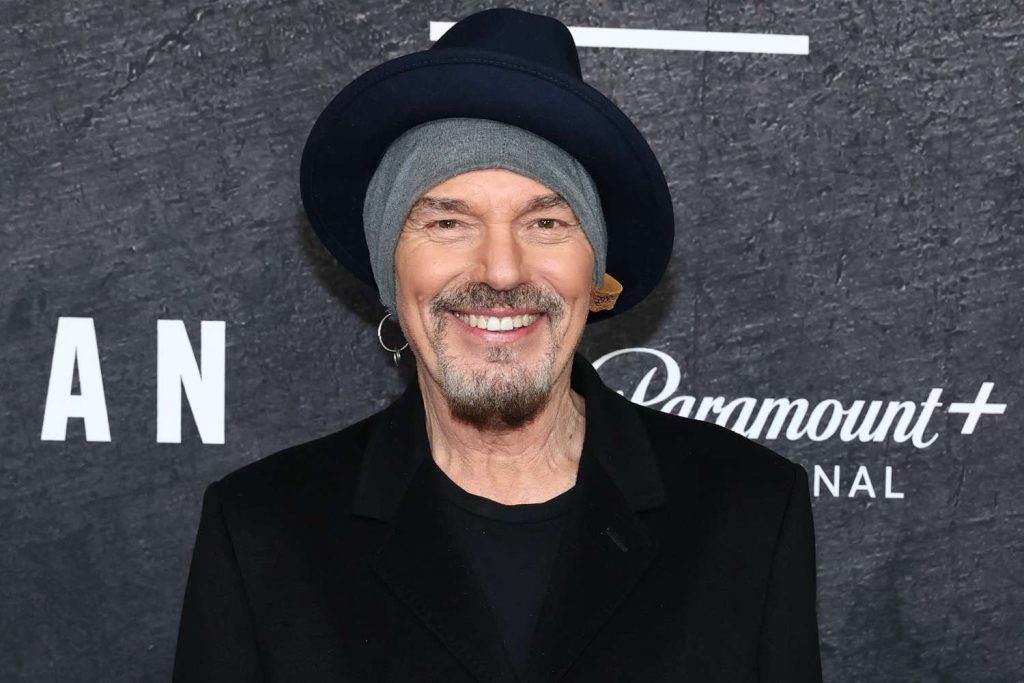
Actor and musician Billy Bob Thornton recently opened up in a heartfelt interview with rock icon Ann Wilson on her new podcast, After Dinner Thinks.
Their conversation covered a lot of ground, touching on his Hollywood experiences with ex-wife Angelina Jolie, as well as his struggles with OCD, dyslexia, and being on the autism spectrum. They even shared some nostalgic stories about their past adventures with hallucinogens, including a memorable tale from Wilson about watching Rosemary’s Baby on a date while under the influence of acid.
This candid discussion with Wilson coincides with the launch of the second season of Thornton's series, Landman, produced by Taylor Sheridan, which is now streaming on Paramount+. The Nashville interview marks the ninth episode of Wilson’s podcast, where she showcases her rock performances, including a lively rendition of the classic 1963 Lesley Gore hit, “You Don’t Own Me.”
Thornton told Wilson that even at the height of his fame, he felt out of place in the Hollywood scene.
“You won’t catch me in People magazine or on the red carpet; I just don’t get involved in that,” he said.
“People ask me, ‘What’s the secret to your longevity?’ Honestly, I never really joined in. Even when Angelina and I were together, we were always in the spotlight, but I mostly avoided the parties and didn’t mingle with agents and executives.”
Thornton and Jolie were married from 2000 to 2003. He has been married to his current wife, Connie Angland, since 2014.
Thornton spoke openly about his lifelong struggles with obsessive-compulsive disorder, anxiety, and dyslexia — conditions he now views as part of what shaped his career as a writer and performer.
“I deal with severe obsessive-compulsive disorder and an anxiety disorder. I grew up with dyslexia. All these challenges have shaped me, and I think they’ve actually helped me read in chunks. I don’t read from left to right slowly like most people do.”
He also revealed that he is on the autism spectrum and that one of his daughters shares some of his traits.
“My daughter is attending Cal Poly. She just turned 21. She’s inherited some of my traits — I’m on the spectrum, I stutter, and I have all these quirks. The only thing she didn’t get is dyslexia.”
Thornton said these conversations are part of their everyday life.
“We talk about how society often views these things as weaknesses. But in reality, they can be strengths, especially in the arts. You can’t convince me Van Gogh and those artists weren’t on the spectrum. But hey, I haven’t cut off any body parts yet!”
The conversation eventually turned to psychedelics — specifically acid — and how the drug shaped both Thornton and Wilson’s early lives. Thornton admitted that although he didn’t always enjoy the experience, psychedelics influenced his creative development.
“I really think it opened my mind and made me a better artist,” he said. “Psychedelics played a big role in my growth as a writer and overall artist. I’m thankful I quit when I did. I was this skinny, long-haired hippie roadie, and one night I looked in the mirror of an Airstream trailer and thought, ‘You’re going to die if you don’t stop.’”
Wilson shared her own story, recalling a date during which she took acid and watched Rosemary’s Baby at a drive-in theater.
“Everything about that movie was off,” she said. “That was the worst trip I’ve ever had. I got home to my parents’ house — where I was still living — and spent the whole night tossing and turning, completely freaked out.”
Though best known for Sling Blade — which earned him an Oscar for Best Adapted Screenplay and two additional acting nominations — Thornton has maintained a dual career in acting and music. He has released four solo albums as well as 19 records with his band, The Boxmasters, formed in the mid-1990s with Grammy-winning engineer J.D. Andrew.
He has also collaborated with the Coen Brothers (The Man Who Wasn’t There, Intolerable Cruelty), directed several films (All the Pretty Horses, Jayne Mansfield’s Car), and became an unlikely holiday icon with Bad Santa.
On Wilson’s podcast, Thornton described his decades-long Hollywood journey as something that “just kind of happened,” crediting his unique quirks and challenges with giving him the creative perspective that fuels his work today — including his newest series, Landman, now streaming.
Thornton’s candid talk about OCD, dyslexia, anxiety, autism, and past psychedelic use raises little legal concern because he’s speaking only about himself. Privacy laws protect medical information from third-party disclosure, not from individuals choosing to share their own stories publicly.
Podcasts also enjoy strong First Amendment protection, meaning guests can discuss past drug use or personal struggles without legal fallout—as long as they don’t falsely accuse others or describe current illegal conduct. In this case, Thornton’s reflections are voluntary, personal, and well within legally safe territory for both him and the show.
👉 Trending: Kim Kardashian Reveals She Secretly Bought Her Father’s Bible From the O.J. Simpson Estate 👈