Understand Your Rights. Solve Your Legal Problems


Belgium’s three-day national strike is set to halt public transport, schools and airport operations as unions protest government austerity reforms. The action raises legal and operational questions around essential services, transport safety and workforce protections.
Belgium is preparing for extensive disruption this week as multiple sectors participate in a coordinated three-day national strike initiated by major trade unions.
The action arises in response to government plans to revise labour laws, adjust unemployment benefits and reform pension structures as part of efforts to reduce national debt.
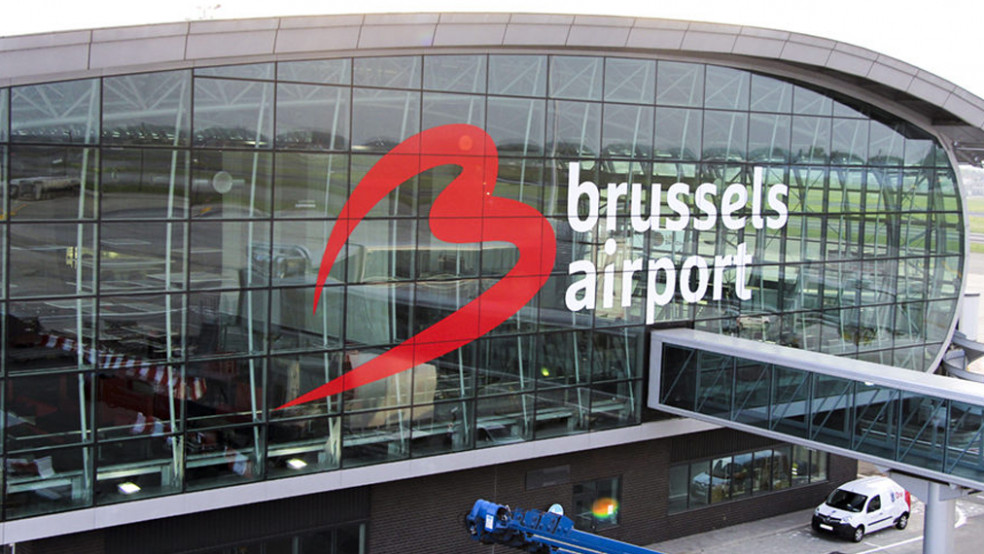
Transport operators, including the national rail company and international services such as Eurostar, have confirmed reduced schedules, while both Brussels and Charleroi airports have announced the cancellation of all outgoing flights on the final day of action.
Public services including schools, hospitals and waste collection are also expected to be affected.
The strike, which escalated on Monday and culminates today in a general shutdown, places attention on the legal and operational duties of essential service providers, the rights of workers taking industrial action, and the implications for public safety.
Authorities across Belgium have issued warnings regarding travel reliability, emergency service pressures and disruptions to routine civic functions.
Public transport operators began reduced service on Monday, with SNCB estimating that only one to two out of three trains would run nationwide.
Several Eurostar services between Brussels and Paris were cancelled due to staffing shortages linked to the strike.
On Tuesday, the industrial action is due to widen to schools, childcare facilities and hospitals, with unions confirming the participation of teachers, medical workers and municipal service staff.
Today’s general strike includes airport security and handling service providers at both Brussels Airport and Charleroi Airport. Operators have announced the cancellation of all departure flights and warned that some arrivals may also be affected.
Local and regional transport authorities have issued notices of reduced bus, tram and metro availability across Brussels and Flanders throughout the three-day period.
Under Belgian and EU labour law, workers have a recognised right to participate in industrial action, but essential services must still maintain minimum operational standards where required by law.
Authorities typically assess whether disruptions risk breaching obligations related to health, safety or the continuity of critical infrastructure.
Transport operators are generally required to provide timely public notice of cancellations and significant disruptions.
In the aviation sector, regulations often oblige airports and airlines to inform passengers of their rights, including rebooking or reimbursement, when flights are cancelled.
Governments may also review whether proposed policy reforms comply with statutory requirements governing pensions, unemployment benefits and social protections.
Courts typically consider whether any labour law changes have undergone appropriate consultation and follow legislative procedures.
International frameworks such as the International Labour Organization (ILO) recognise the right to strike while also emphasising the protection of public safety and the continuous operation of essential services.
The balance between worker rights and public risk is a core consideration in large-scale industrial action.
EU and Council of Europe human rights standards stress that public authorities must ensure non-discriminatory access to essential services during large-scale disruptions. This includes safeguarding vulnerable groups who may rely heavily on public transport, healthcare or social services.
Belgium’s obligations under EU transport and aviation regulations also require operators to maintain transparent communication with passengers, particularly where disruptions may impact cross-border mobility and regional economic activity.
In situations involving nationwide industrial action, police typically oversee public safety at transport hubs, coordinate with local authorities, and manage crowd flow in stations and airports. Their role is primarily preventive and logistical, ensuring safe movement during reduced service periods.
Transport regulators generally monitor whether operators comply with notification requirements and operational safety standards. For aviation, national aviation authorities and EU-level regulators oversee compliance with passenger rights regulations.
Where digital platforms are used to communicate cancellations or service changes, Ofcom-equivalent Belgian regulators ensure that essential information meets accessibility and accuracy requirements under relevant communication standards.
Large-scale transport disruption can affect the mobility of commuters, students and patients, potentially leading to delays in accessing education, healthcare or employment. Public safety risks may increase if reduced services cause overcrowding on remaining routes.
Community tensions may arise where essential services experience prolonged disruption, particularly if certain regions or demographics are disproportionately affected. Transport-dependent workers may face additional economic strain during service suspensions.
Cross-border transport changes, including international rail cancellations, can have downstream impacts on business operations, supply chains and tourism, increasing public interest in transparent management and contingency planning.
What laws govern industrial action in Belgium?
Belgian law recognises the right to strike, provided actions do not endanger public safety or violate essential service obligations. Courts generally assess proportionality and whether unions have followed required procedures.
What obligations do airports have during a strike?
Airports must maintain safety standards and notify passengers promptly of cancellations under EU aviation rules. They are also expected to coordinate with airlines and ground-handling providers to manage operational interruptions.
Can public transport run at reduced capacity legally?
Yes. Transport operators may reduce service during industrial action, but they must maintain safety standards and provide advance notice where possible. Certain essential routes may be prioritised.
How are international passengers affected by Belgium’s strike?
EU passenger rights regulations apply to international rail and air travel. Travellers are entitled to clear information on cancellations, rebooking options and refunds depending on the nature of the disruption.
Do unions need government approval to strike?
Unions in Belgium do not require prior government approval, but industrial action is expected to comply with general labour law, including rules on workplace safety and non-obstruction of emergency services.
Authorities typically monitor service levels throughout a strike to ensure essential operations remain safe. Transport operators will continue updating schedules and issuing public advisories as cancellations evolve.
Airports generally undertake contingency planning, including coordination with airlines, ground handlers and security providers, to manage the resumption of normal service after the strike ends.
Digital forensics or compliance reviews are not usually required unless safety concerns arise. Government departments often review feedback from unions and public bodies once industrial action concludes, assessing whether further negotiations, legislative review or administrative adjustments are warranted.
Belgium’s three-day national strike raises significant issues around essential service continuity, public safety and the legal framework governing industrial action.
While unions are exercising recognised labour rights, the scale of disruption places heightened responsibilities on transport operators, public authorities and regulators.
The situation illustrates the ongoing balance between economic reform and workforce protections, and reinforces the importance of transparent communication and procedural compliance as the events unfold.