Understand Your Rights. Solve Your Legal Problems


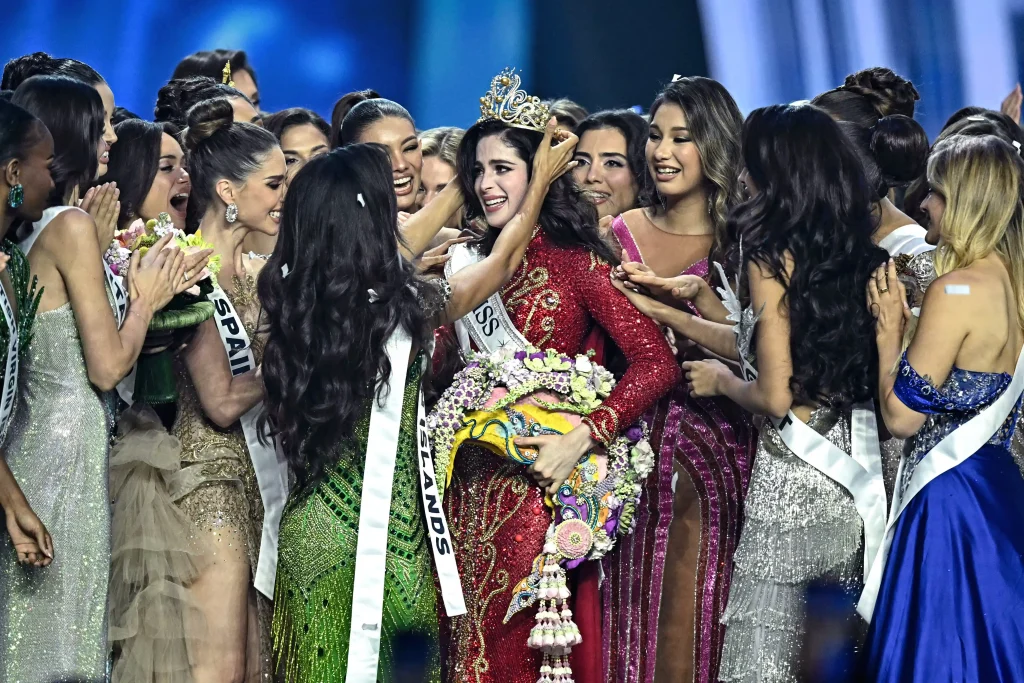
When reports surfaced linking Miss Universe co-owner Raúl Rocha to alleged organised-crime activity, many readers had the same reaction: pageants may look polished on stage, but the real drama usually unfolds far from the lights.
Situations like this don’t define the industry, but they do remind people how easily glamour and power can overlap in messy ways. Every era has its own flashpoint, and this one simply reinforces a familiar pattern—pageants attract scrutiny not just because of what happens in the finals, but because of everything that happens around them.
The current turmoil surrounding the Miss Universe organization is not an isolated incident; it follows historical patterns of crisis. These moments—from the 1970 Miss World protest to the present-day legal charges against its ownership—expose the deep fault lines in an industry built on both tradition and reinvention.
Here are eleven scandals—drawn from different decades and different corners of the pageant world—that continue to shape how audiences think about global pageants today, culminating in the most recent executive misconduct that has rocked the organization to its core.
Miss World 1970 didn’t unfold quietly. A group of women’s liberation activists disrupted the live event at London’s Royal Albert Hall, objecting to what they saw as the commodification of women. Flour bombs hit the stage, and judges were drowned out by whistles. Jennifer Hosten eventually won the crown, but the uproar reshaped the public debate around beauty pageants. Few scandals have so dramatically shifted the conversation about the pageant's fundamental purpose.
Vanessa Williams became Miss America’s first dethroned winner after unauthorised photos from her past were published without her consent. The episode exposed the harsh power imbalance contestants faced and made Williams a symbol of both unfair treatment and incredible resilience. Years later, the organization issued a formal apology—an acknowledgment of how damaging the decision had been and a major shift in how organizations recognize past mistakes.
This is one of the most significant rule-changes in modern history. After Canadian contestant Jenna Talackova was disqualified from Miss Universe Canada in 2012 for not being a "naturally born female," a massive public outcry and legal pushback followed. Within days, the Miss Universe Organization (MUO) changed its rules. This led to Ángela Ponce becoming the first openly transgender woman to compete at Miss Universe in 2018, fundamentally and permanently reshaping eligibility criteria for major global pageants.
One of the most surreal moments in pageant history came when host Steve Harvey mistakenly crowned Miss Colombia—only to correct the error live on stage and announce Miss Philippines as the true winner. Beyond the instant global memes, the mix-up pushed organizers to rethink the way results are verified and announced, highlighting the need for redundant, independent tabulation systems.
More than one pageant has been rocked by disputes over whether a contestant met specific age or residency rules. While these claims are often unsubstantiated, the moments they create—such as public debate over a contestant’s official biography—encourage pageants everywhere to tighten documentation and verification requirements, emphasizing legal compliance over celebrity appeal.
Pageant organizations are large businesses, and executive conduct directly impacts the brand. When Donald Trump, then a co-owner of the Miss Universe Organization, made controversial statements during his presidential campaign launch in 2015, major television partners (NBCUniversal) and corporate sponsors immediately cut ties. This crisis forced Trump to sell his entire stake in MUO, underscoring how deeply corporate stability is tied to executive conduct and public relations.
In a modern crisis emphasizing safeguarding, Miss Universe Indonesia was thrust into the spotlight when contestants alleged they were subjected to inappropriate "body checks" during the competition. Their statements triggered investigations, public outcry, and eventually the termination of the franchise’s national licence by the global organization. The controversy underscored the absolute importance of modern, universal safeguarding standards.
Pageants have long relied on sponsors, but relationships occasionally raise eyebrows. Moments where sponsors appear unusually close to organizers—or to contestants—fuel speculation about undue influence. Several Miss USA contestants in 2022 publicly questioned whether sponsor relationships had shaped the outcome, prompting calls for greater transparency in judging and finance disclosure.
Behind most global pageants is a network of national directors, rights holders, and commercial partners. When disagreements erupt—over fees, contracts, or brand expectations—they can destabilize the entire competition. The dramatic fallout with the Indonesian franchise (mentioned above) serves as a potent example, highlighting how fragile these commercial relationships can be when trust or ethical conduct is breached.
National costume segments are often celebratory—but occasionally misfire. Contests have seen heated public debate about whether certain costumes crossed lines, were inappropriate, or misrepresented cultural identity. These controversies illustrate how pageants function as cultural ambassadors, even unintentionally, forcing organizations to be more sensitive to context and global representation.
The most severe corporate scandal in the organization's history broke with reports that co-owner and President Raúl Rocha was charged by Mexican prosecutors with alleged involvement in drug, arms, and fuel trafficking. This unprecedented crisis pulls the Miss Universe brand into the realm of major criminal investigation, shattering public trust and raising profound questions about the vetting of executive leadership and the fundamental integrity of an organization built on global image and goodwill.
What keeps pageant scandals alive isn’t the drama—it’s the deeper questions they force audiences to confront. Pageants sit at the crossroads of beauty standards, cultural identity, business interests, and social norms. When something goes wrong, it exposes tension in one (or all) of those areas.
And because pageants are global institutions with millions of viewers, every controversy becomes a shared cultural moment. Some lead to new rules (like the transgender eligibility change). Some change public opinion (like the 1970 protest). A few reshape entire organizations (like the Trump divestment).
But all of them leave a profound mark on the history of the industry.
Because pageants carry symbolic weight—national pride, gender expectations, and cultural representation. When something goes wrong, it taps into issues that people already care about.
Many have. Judging processes, safeguarding rules and organisational oversight have improved in response to past controversies, though standards vary widely by country.
Most major pageants now outline formal safeguarding policies, but the strength of those protections depends on the national organisation running the event.
Often it’s the system—unclear rules, patchy oversight, or old structures struggling to meet modern expectations.